




Toutes les enchères / Arts Graphiques / Tom L (1983) - fight club - SOAP_Fight Club - Framed...

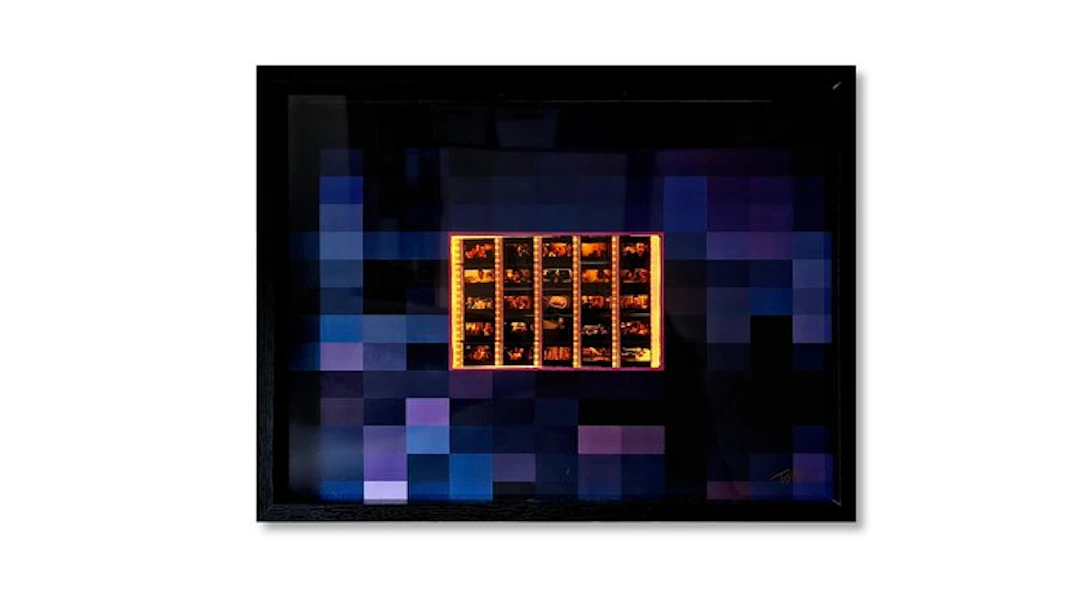
SOAP | Analog Pixel Art | center of Triptych Serie The Cinema of Doubt Corpus The Cinema of Belief Protocol Pixel Project 35 2026 • Original 35mm film cells fro David Fincher's Fight Club, mixed media, digital painting, collage. • Framed backlit artwork : Self-contained LED lighting system (battery pack on the back of the frame, with an additional USB cable for direct power connection) featuring a motion-sensing system: wave your hand in front to turn it on or off, or hold your hand there to adjust the brightness. • 40x30 cm Landscape • Signed, numbered, with certificate of authenticity (30 editions) • Made in France Each copy is unique, because the photograms are different SOAP Fight Club · David Fincher Identity — Who are we? An ostensibly mundane object, the pink soap from *Fight Club* evokes a world in which identity is constructed, fractured, and reinvented. Composed of fragments of film stock from the movie, it embodies the paradox of a familiar image that carries a disturbing narrative. Beneath the surface of appearances, certainties dissolve, and identity itself becomes an enigma. THE CINEMA OF DOUBT *A series within the "THE CINEMA OF BELIEF" body of work* What if the very images we believe in were also the ones that taught us how to doubt? In *The Cinema of Doubt*, Tom L. explores three iconic objects from Christopher Nolan’s *Inception*, David Fincher’s *Fight Club*, and David Lynch’s *Mulholland Drive*. A spinning top, a bar of pink soap, and a blue key serve as starting points for a meditation on reality, perception, and identity. Each of these objects embodies a form of uncertainty. The spinning top blurs the line between dream and reality. The soap suggests an unstable identity, built upon contradictions. The blue key opens onto a narrative where memories, appearances, and events can no longer be interpreted with any certainty. Presented as a triptych, these three works pose a question about our relationship with reality: is what we see true? Does what we believe we see correspond to what actually exists? And what remains of our identity when our certainties begin to waver? Created using the **Pixel Project 35** protocol, these works are reconstructed from actual 35mm film frames taken from the featured movies. The film frame becomes a pixel, the celluloid becomes physical material, and cinema itself becomes both the subject and the medium of the work. The image is no longer merely projected onto a screen; it is fragmented, recomposed, and returned to the material from which it originated. Light reveals the individual film frames that compose each object, bringing to the surface—at the very heart of the representation—the images from the film that gave birth to it. As part of the *The Cinema of Belief* body of work, *The Cinema of Doubt* explores its more uncertain dimension. While cinema plays a part in shaping our imaginaries and beliefs, it can also unsettle our perceptions and undermine our certainties. **Three objects, three films, three questions. And no definitive answers.** • About me As a projectionist and artist, I have experienced the transformation of media firsthand through my profession. Today, I explore the relationship between analog and digital through pop-style works, bringing film frames and pixels together in compositions that pay tribute to cinema—allowing celluloid to meet the light one last time. •PROTOCOL Pixel Project 35 Pixel Project 35 is a process that explores the meeting point between two foundational image technologies: analog motion picture film and the digital pixel. Each artwork is constructed on a grid in which every module matches the exact dimensions of a 35 mm film frame (35 × 19 mm). This digitally created structure forms a deliberately pixelated image, where each square becomes the contemporary equivalent of a cinematic frame. Within this grid, selected pixels disappear to make room for authentic 35 mm film frames taken from the featured movie. Backlit from behind, these original fragments become luminous points that reintroduce the physical material of cinema into the heart of a digital image. The protocol expands the Analog Digital Cooperation project while reversing its original principle. Whereas previous works relied exclusively on film as the primary building material of the image, Pixel Project 35 creates a dialogue between two systems of representation. The digital pixel adopts the proportions of the analog film frame, while the real photogram naturally integrates into the composition as a living pixel. The artwork constantly shifts between abstraction and representation. Viewed up close, it breaks apart into a mosaic of geometric shapes and vibrant fields of color, where the subject dissolves into an almost abstract composition. As the viewer steps back, these individual fragments gradually reassemble, revealing the complete figurative image. This change in scale invites the viewer to experience the artwork physically: abstraction emerges through proximity, while representation appears through distance. This perceptual transformation echoes the very nature of cinema, where a succession of still images creates the illusion of movement. The backlit film frames play a unique role in this experience. They are more than sources of light—they are authentic fragments of the original motion picture, carrying both its material presence and its historical memory. Each artwork therefore contains a genuine piece of the cinematic object from which it originates. Pixel Project 35 explores how images evolve across technologies, moving from photosensitive material to digital language while preserving their power of representation. The series continues the investigation initiated by Analog Digital Cooperation, examining the relationship between analog and digital not as opposing systems, but as complementary media whose collaboration reveals new ways of seeing and understanding the image.
Estimation:€220
Vers la vente aux enchèresVoir tous les objets deCatawikiouArts Graphiques
Estimation:
€220
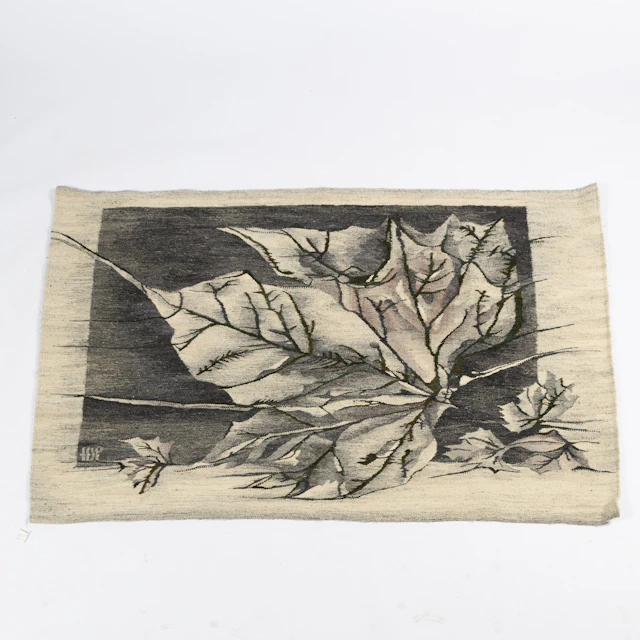
H SULKOWSKA. Väggbonad "Retro", signerad, Polen 1900-tal.
10/22/2026
€151.89
Est. : €179.98

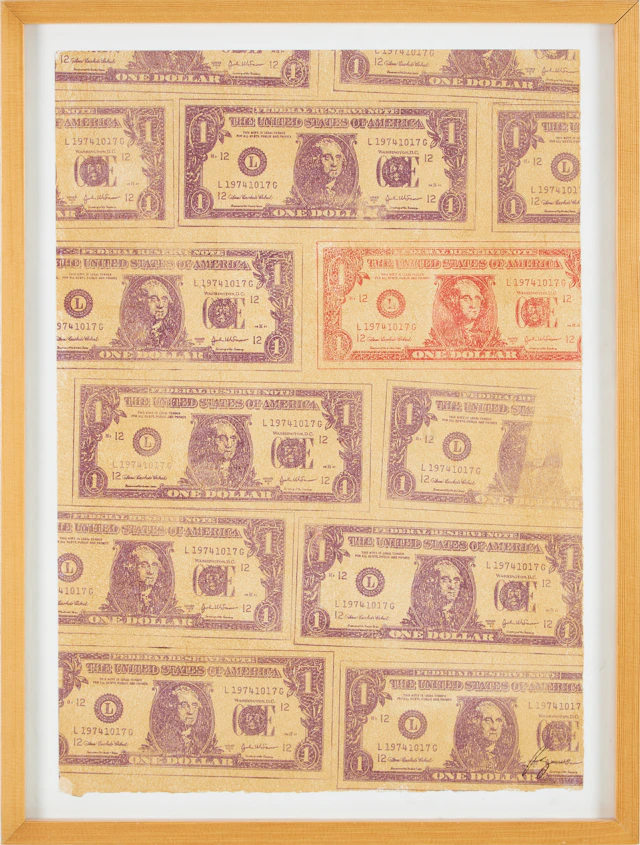
RICHARD RYAN (FÖDD 1974). dollarsedlar, monoprint, signerad.
10/22/2026
€35.95
Est. : €89.99




OCT 27 | 4:00 PM
Présentez votre vente aux enchères à des collectionneurs du monde entier !
Soyez référencé dès maintenantEn vous abonnant, vous acceptez la politique de confidentialité. Désabonnez-vous à tout moment.
Barnebys HQ
Brahegatan 10
BOX 5038
114 37 Stockholm
