



Toutes les enchères / Arts Graphiques / Teresa Llàcer (1932) - El puerto azul

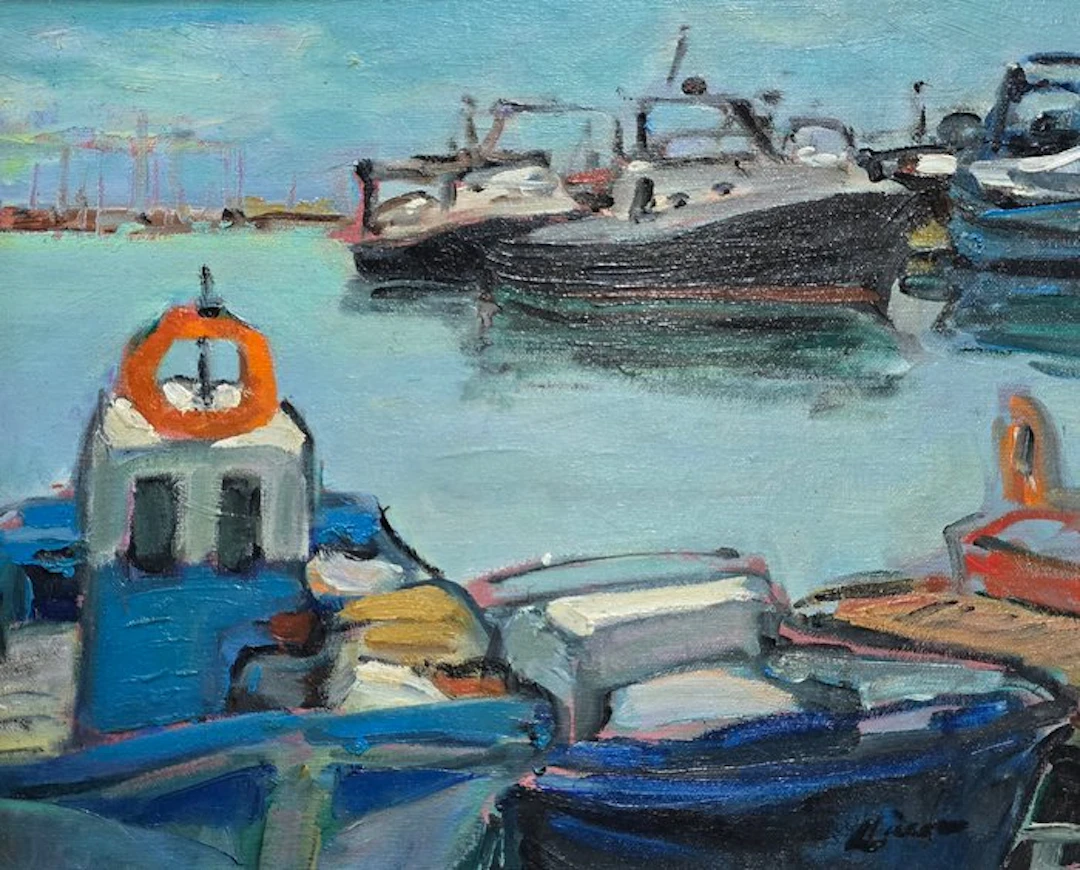
Pictura Subastas presents this magnificent artwork belonging to Llàcer, depicting a tranquil harbor filled with small boats and working vessels, moored on bluish waters while they await the moment to return to the sea. The painting stands out for its excellent technique and the high pictorial quality it conveys. · Framed dimensions: 31x38x3 cm. · Unframed dimensions: 27x34 cm. · Oil on board hand-signed by the artist in the bottom right. · The piece is in good conservation condition. · The work is sold with a precious frame (included in the auction as a gift). The work comes from an exclusive private collection in Girona. Important note: the photographs included are an integral part of the lot description. The painting will be professionally packaged by an IVEX expert (https://www.instagram.com/ivex.online/), using high-quality materials to ensure its protection. The price of shipping covers both the cost of professional packaging and the transport itself. Shipping will be via Correos, GLS or NACEX with tracking. International shipping available. This painting presents an animated port scene in which numerous vessels remain gathered on calm waters in blue, green and turquoise tones. The boats occupy almost the entire composition and are distributed from the foreground to the horizon, creating a strong sense of depth. The abundance of shapes, colors and reflections turns the port into a lively place, even though no human figures appear and everything seems paused for a moment of calm. In the foreground several small boats are gathered, seen from an elevated and very close position. Their hulls partially overlap and form a succession of curves, diagonals and horizontal lines. The navy blue, turquoise, gray, white, black and pink tones allow each boat to be distinguished, though all are tightly bound within the port’s compact space. The vessel at the lower center stands out for its large dark blue hull. Its upper edge is marked by bands of violet, pink and light hues, while the interior combines grays, whites, beiges and small orange accents. The bow tilts slightly to the left and its rounded shape lends stability to the whole. Inside this boat distinct compartments or surfaces can be distinguished that could correspond to seats, decks, nets or navigation-related utensils. The light interior tones contrast with the intense blue of the hull. This alternation of lights and shadows allows one to imagine the boat’s volume and the depth of its interior space. To the right appears another boat partially cut off by the edge of the image. Its interior presents ochre, beige and pinkish tones, surrounded by a dark contour. The proximity of this vessel imaginatively expands the scene and suggests there are many more boats beyond the visible space. At the far right a small reddish-orange structure can be seen that could form part of a boat’s cabin. A dark vertical opening stands out against its light surface. This element introduces a warm accent that contrasts with the abundance of blues and greens in the rest of the composition. The left side is dominated by a blue-gray boat advancing from the bottom to the center. On its deck rises a rectangular structure in whites, grays and greens. Its two front openings, dark and vertical, seem like windows or doors of a small cabin. The cabin is crowned by a large bright orange ring. Its circular shape becomes one of the main focal points, standing clearly against the cool tones of water and boats. Inside the circle a small dark structure appears, accompanied by white shapes, reinforcing the impression of a lifebuoy located on the top of the boat. This orange ring establishes a visual relationship with the reddish structure on the right and with warm details spread across the other vessels. Thanks to these accents, the composition maintains a balance between the dominant cool colors and small notes of red, orange, pink and yellow. Next to the boat on the left appear other small blue and white boats, partly hidden by nearby vessels. Their curved edges and light interiors overlap, creating the impression of a densely occupied port. The lack of separation between some hulls reinforces the sense of proximity and restrained motion. The water surface occupies the central space and acts as an open area between the foreground boats and the larger ships in the background. Turquoise, light blues, soft greens and grays predominate. Some areas show dark shadows and elongated reflections that diffusely reproduce the shapes of the boats. Although the water seems calm, it is not completely still. Color variations suggest small undulations caused by wind or the swaying of the vessels. Reflections extend horizontally and create a sense of gentle movement, typical of a port sheltered from waves. In the central upper part there appears a large vessel with a black hull. Its elongated shape extends from the center to the right and creates a powerful dark band on the water. A thin red line runs along the bottom of the hull, while the upper areas combine white, gray, black and small pinkish details. Above this boat rise several structures that could correspond to the cabin, navigational equipment, masts and other elements typical of a working vessel. The rectangular and rounded shapes are irregularly grouped. The presence of small antennas or vertical rods adds height and breaks the hull’s horizontality. Behind the main vessel another boat in white and gray tones is visible. Its elevated cabin and dark outlines appear partially hidden. The overlap between the two boats creates depth and suggests they are moored very close to each other. Further to the left appears an additional, smaller boat with a dark hull. Its upper areas gather beige, white, pink and gray colors. The bow seems oriented toward the viewer, while the stern disappears behind the main boat. This variety of positions avoids a rigid composition. At the top right there are other boats in bluish, black and white tones. Some are cut by the edge, indicating the port continues beyond the frame. The accumulation of boats in this area creates a sense of activity and turns the background into a network of hulls, decks and cabins. In the distance, toward the left, a line of very fine vertical structures appears that could be masts, cranes or port facilities. Their violet, pink and bluish colors fade into the horizon. Near them are small brown and reddish shapes suggesting distant boats, docks or coastal buildings. The horizon is positioned fairly high, allowing most of the image to be occupied by water and boats. This choice gives prominence to the interior of the port and makes the viewer feel very close to the boats, possibly watching them from a dock. The sky shows blue-green, gray and turquoise tones, with some lighter areas. Its soft and slightly hazy appearance conveys the sense of a serene day, perhaps early in the morning. No clearly defined clouds are seen, but a uniform atmosphere that blends with the sea line. The light seems to spread diffusely across the scene. The whites of the cabins, the edges of the boats and the water surfaces receive soft reflections. The shadows are not too harsh, contributing to a fresh and tranquil atmosphere. Despite the absence of people, the port seems prepared for activity. The working boats, lifebuoys, cabins and possible navigational equipment evoke the life of fishermen and sailors. One can imagine the boats having just returned or quietly waiting for the moment to go back to sea. The scene also conveys a sense of community. The boats are so close that they appear to form a compact ensemble, united by the water and by their purpose. Each vessel has its own shape and colors, but all participate in the same port life. The color contrast is one of the most striking aspects of the work. The blues, greens and turquoises create a dominant marine atmosphere, while oranges, reds, pinks and ochres add warmth. Blacks and grays give weight to the larger ships and help organize the depth of space. The painting invites us to imagine the characteristic sounds of a calm port: water softly hitting hulls, ropes tautening, vessels brushing against each other and the distant murmur of activity at the dock. The absence of visible movement makes these imagined sounds an important part of contemplation. Overall, this painting offers a close, personality-filled view of a port busy with numerous small boats and working vessels, gathered on tranquil blue and turquoise waters. The overlapping hulls, cabins, reflections and intense orange details build a dynamic and balanced composition. The work conveys serenity, maritime life and a pleasant sense of waiting, capturing the everyday beauty of boats moored before returning to the sea.
Estimation:€500
Vers la vente aux enchèresVoir tous les objets deCatawikiouArts Graphiques
Estimation:
€500
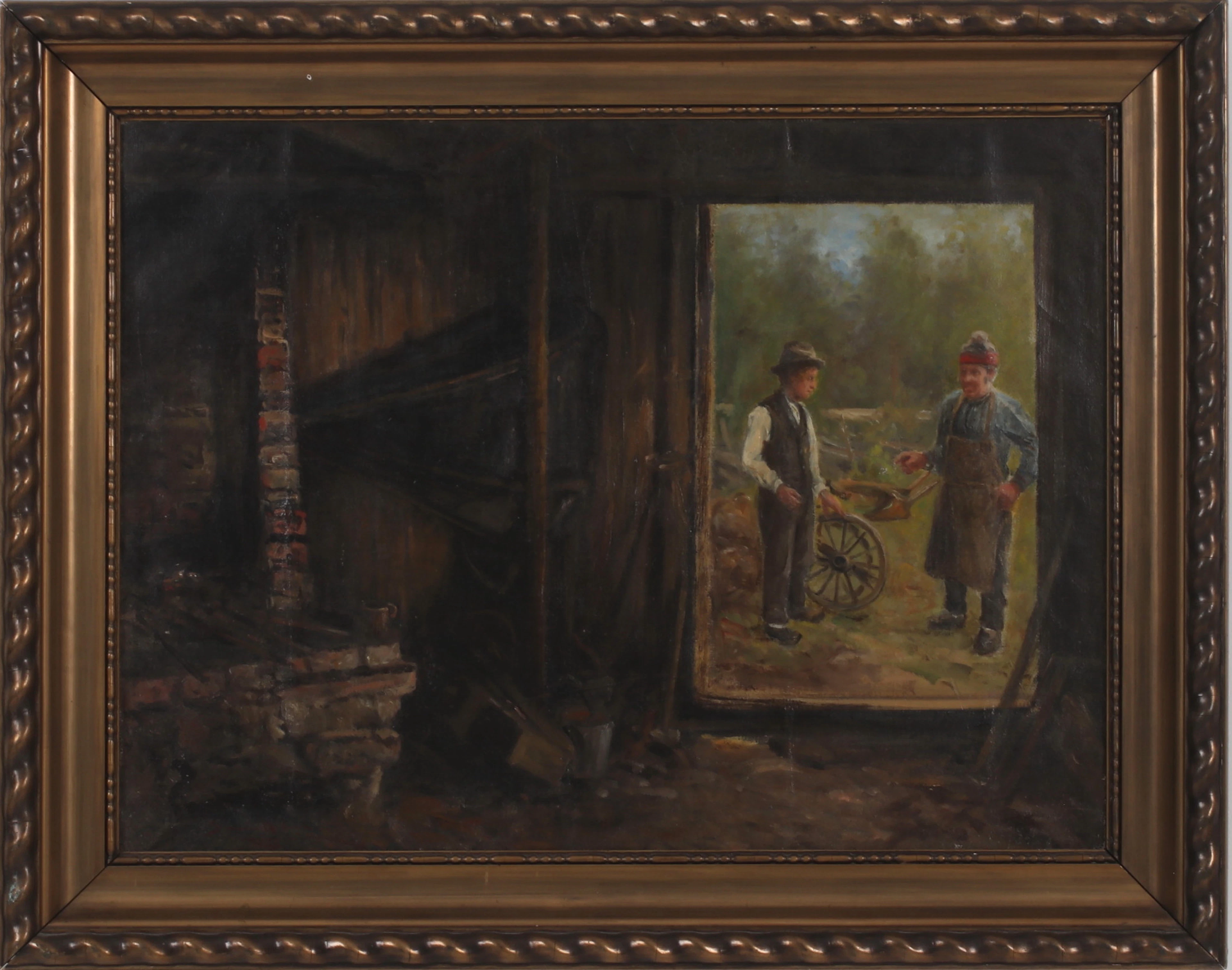
SEVERIN NILSSON. "Samtal vid smedjan", olja på duk, signerad.
10/09/2026
€267.77
Est. : €447.24
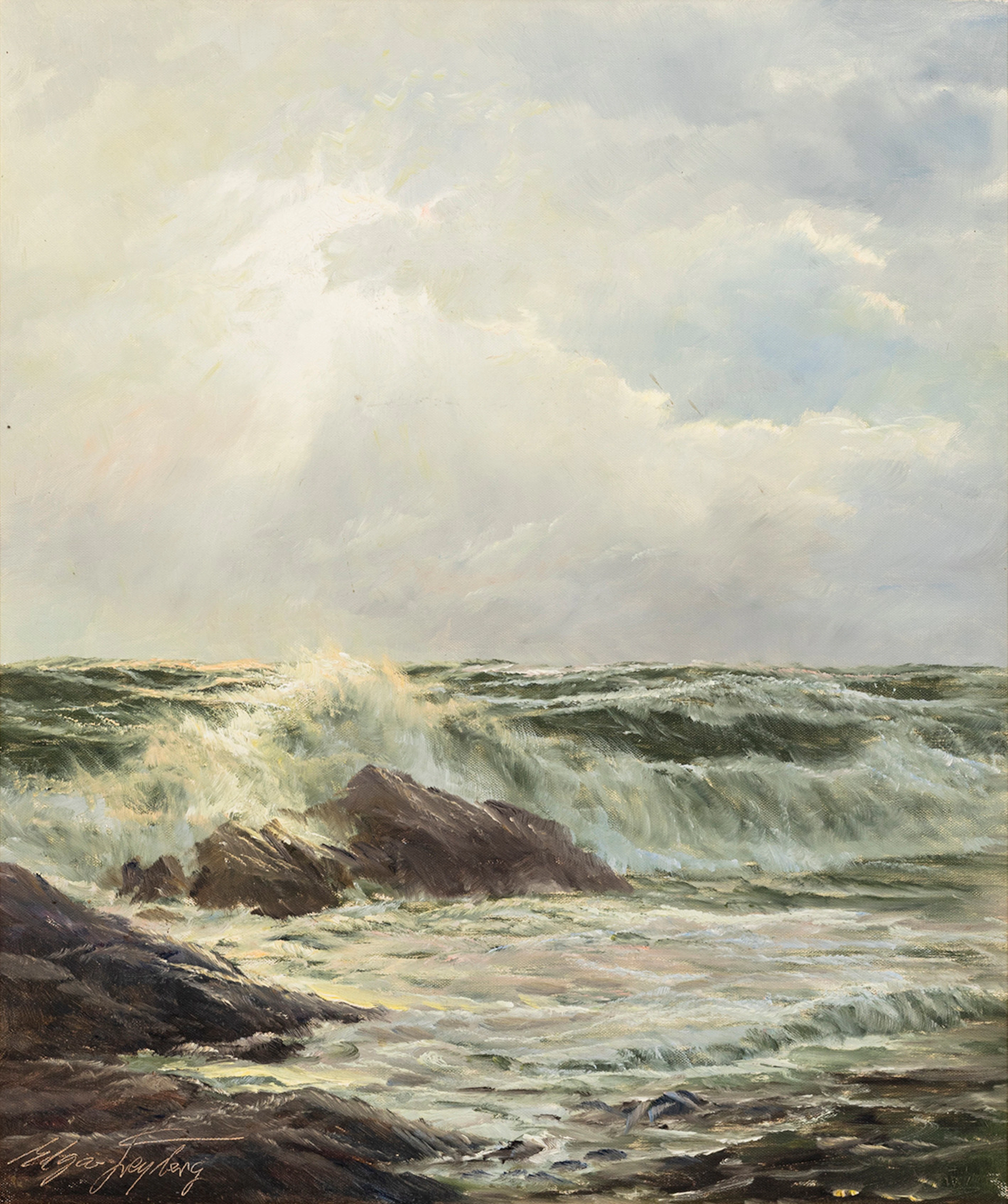
EDGAR FREYBERG. Stormigt hav, olja på duk, signerad.
10/09/2026
€134.86
Est. : €178.89
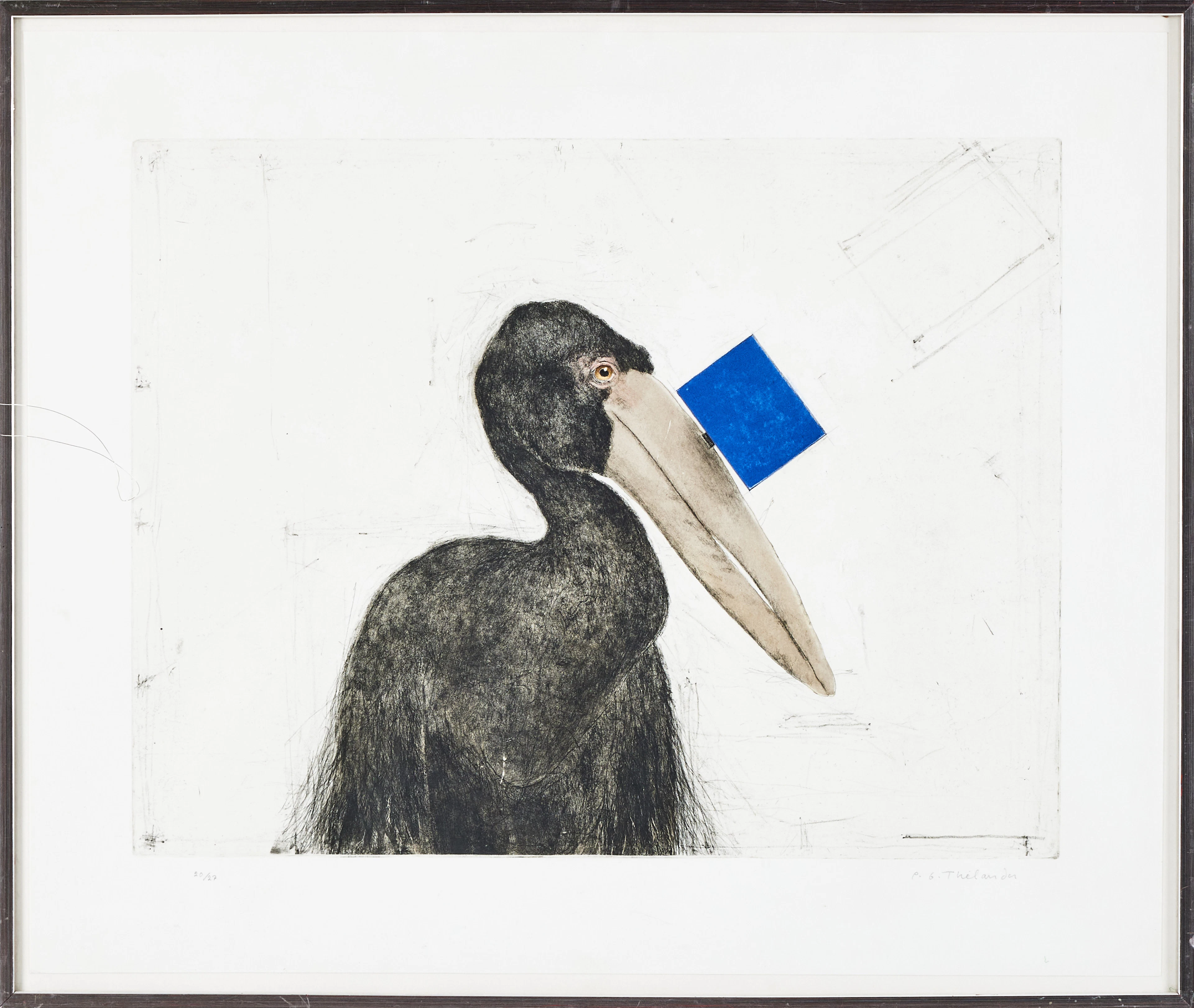
PÄR GUNNAR THELANDER. Komposition med pelikan, etsning med kolorering
10/09/2026
€316.41
Est. : €178.89
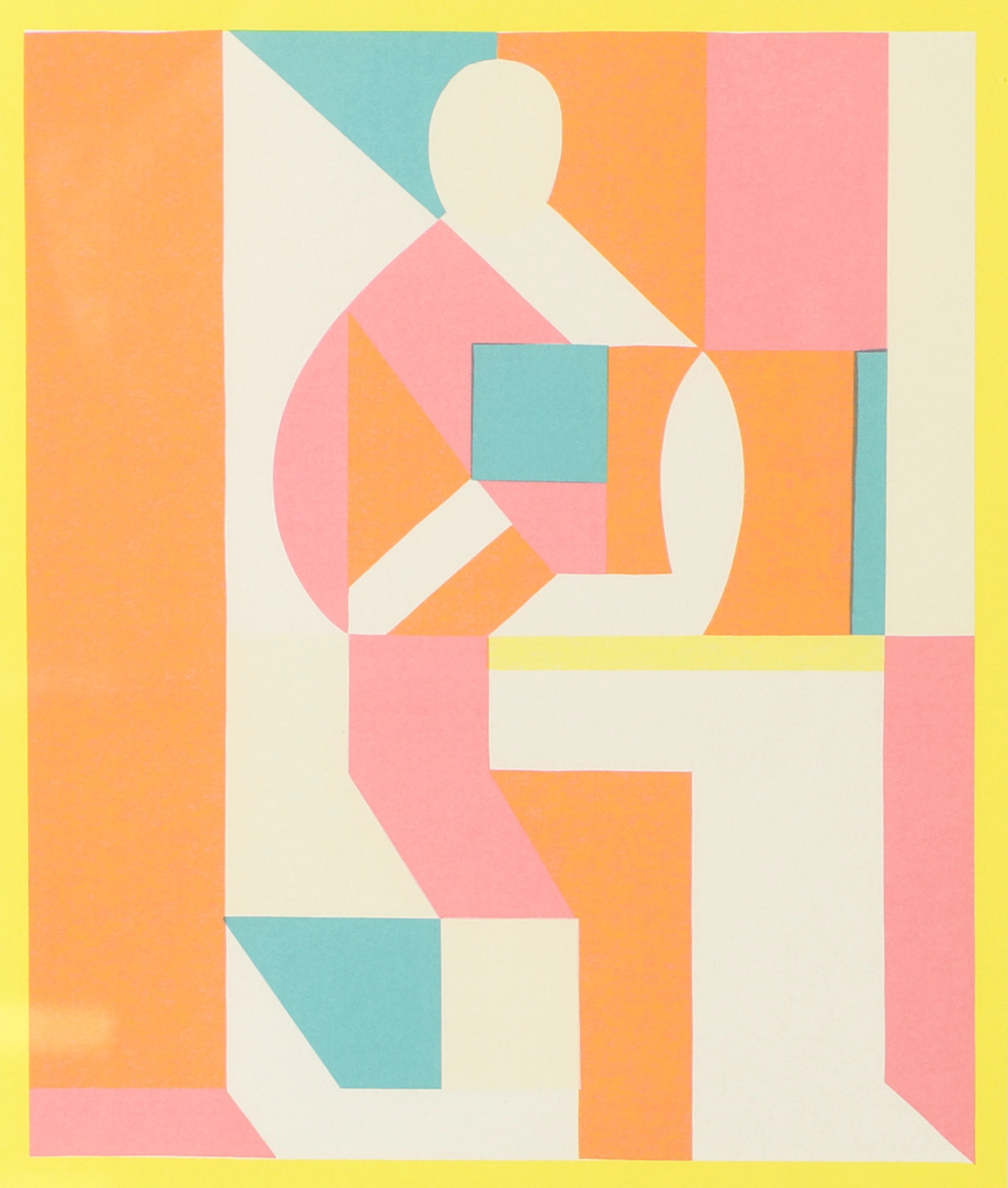
OLLE NYMAN. Geometrisk komposition, färglitografi, signerad -78.
10/09/2026

€98.18
Est. : €53.66
Présentez votre vente aux enchères à des collectionneurs du monde entier !
Soyez référencé dès maintenantEn vous abonnant, vous acceptez la politique de confidentialité. Désabonnez-vous à tout moment.
Barnebys HQ
Brahegatan 10
BOX 5038
114 37 Stockholm
