






Toutes les enchères / Livres, Cartographie & Manuscrits / Signatures and Glosses of the Illustrious Holy Gaon Rabbi Baruch Frankel-Teomim

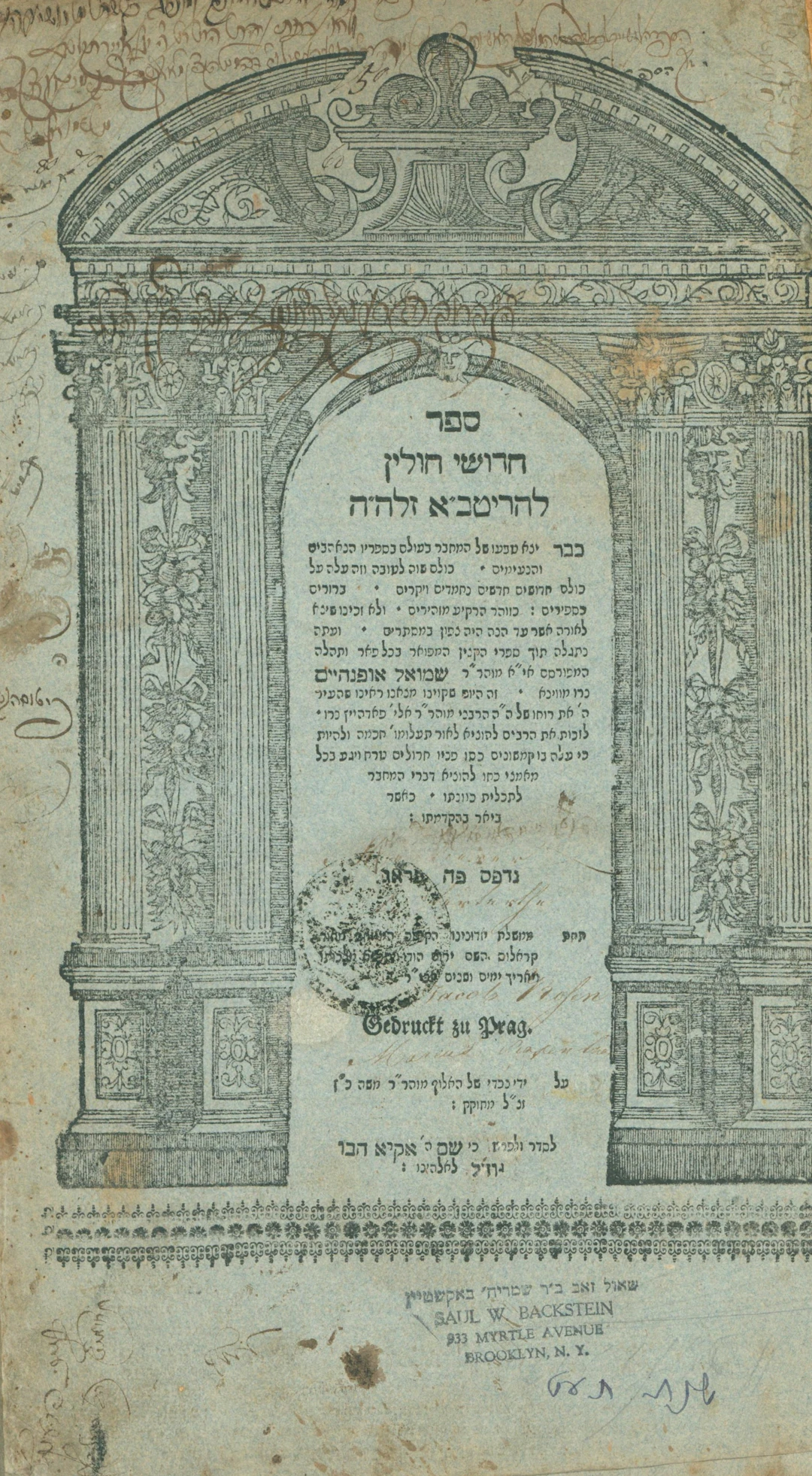
Sefer Yesod: Chiddushei Chullin by the Ritva, together with Torat HaBayit HaAroch (with a separate title page). Prague, 1735 . First edition of the Ritva’s Chiddushei Chullin. Antique inscription at the top of the title page, in the holy handwriting of Rabbi Baruch Frankel-Teomim: Another inscription reads: Followed by his own holy signature Beside the title page is an ownership inscription: At the top of leaf 2 is another signature in the handwriting of Rabbi Baruch Frankel-Teomim: Leaf 2 also bears the signature of Rabbi Yeshaya Yisrael HaKohen Singer. This may be the signature of Rabbi Yeshaya HaKohen Singer of Końskie, son of Rabbi Moshe HaKohen Charif of that town. Among the notable descendants of Rabbi Yeshaya HaKohen of Końskie were: 1. Rebbetzin Freida Gitel, wife of the holy Rebbi Yitzchak David Biderman, son of the holy Rebbi Moshe of Lelov. 2. Mrs. Devorah, second wife of the holy Rebbi Yisrael Yitzchak Baron of Radoshitz, son of the Saba Kadisha of Radoshitz. 3. Rabbi Shmuel HaKohen Singer, Dayan u’Moreh Tzedek in Tomaszów Lubelski. He was related by marriage to the family of the sharp-witted Rabbi Dov Berish Meislish of Rawa. 4. Rabbi Moshe HaKohen Singer, son-in-law of Rabbi Yissachar Hofstein, son of the holy Rebbi Moshe Elyakim Beriah of Kozhnitz, son of the Maggid of Kozhnitz. Stefansky, Sifrei Yesod, no. 54. The important manuscript underlying this edition had been preserved in the library of Rabbi Shmuel Oppenheim of Vienna. Rabbi Eliyahu Mazia of Podhajce undertook to bring it to print and to cover all the publication expenses. At the beginning of the book is an approbation by Rabbi David Oppenheim, Av Beit Din of Prague, as well as a lengthy and important introduction by Rabbi Eliyahu Mazia. 27, 31 leaves. 33 cm. The Gaon Rabbi Baruch Frankel-Teomim (1760–1828), author of Baruch Taam, was one of the renowned scholars of his generation, known for his genius, sharpness, and scholarly annotations on numerous texts. He was a student of Rabbi Yehuda Leiber Charif Krongold, Av Beit Din of Krakow; Rabbi David Teveli of Lissa; and Rabbi Meshulam Igra. At the age of nineteen, he was appointed as the rabbi of Nowy Wiśnicz. Following the passing of Rabbi Benjamin Wolf Eiger, he was invited to succeed him as Av Beit Din of Leipnik, where he served for approximately thirty years. After his teacher Rabbi Meshulam Igra passed away, Rabbi Baruch was a candidate for the rabbinate of Pressburg, though in a casting of lots, the position ultimately went to the Chatam Sofer. Rabbi Baruch’s depth and sharpness became legendary. The Avnei Nezer stated that he spent his life striving to attain the sharpness of Rabbi Baruch. The Chatam Sofer testified about him, saying that if the Torah were to be forgotten in Israel, Rabbi Baruch would restore it through his pilpul. In his eulogy, he stated, “The genius of Israel, his fine taste, and his unique method of learning… he taught Torah in Israel with sharpness and depth, to the point that even his students could not fully comprehend the depth of his thoughts.” In his approbation to Baruch Taam, the Chatam Sofer wrote to Rabbi Baruch’s son about his father’s teachings: “Teacher of Israel… is there a need for my approbation to bring the brilliance and precious light of his teachings? Have I not known his power, splendor, and greatness… indeed, all his words shine like the brightness of the sky…” It was related that after studying one of the sections of Ateret Chachamim, authored by Baruch Taam, the author of Kol Aryeh remarked, “Only one who possesses the spirit of divine inspiration could write such a work” (Toldot Kol Aryeh, Kleinwardein, 1940, p. 120). His famous son-in-law was the Admor Rebbi Chaim Halberstam, author of Divrei Chaim of Sanz, who was his prominent student and editor of Baruch Taam. In the introduction to this sefer, Divrei Chaim wrote: “For about one year that I was with him, he taught me nearly the entire Talmud along with the Rishonim, and at every moment he would reveal to me great and wondrous insights… He conveyed to me many teachings and methods of learning, calling out to me to record them in the sefer…” His son-in-law, Divrei Chaim, would often say that his father-in-law reached such lofty levels that words could not describe nor the mind fully grasp (Rabbeinu HaKadosh M’Sanz, Vol. 1, p. 34). He testified that he saw personally how Rabbi Baruch would intuitively reach correct halachic conclusions through divine inspiration, as he studied Torah with complete sincerity (Baruch She’amar, Jerusalem 1966, introduction, p. 21). Although the Baruch Taam was among the opponents of Chassidism, the Chozeh of Lublin told Chassidim who spoke against him, “What can I do? I am greatly fond of his Torah.” His other descendants also became leaders within the Chassidic movement. His son, the Tzaddik Rabbi Yehoshua Heshel of Komarno, was one of the prominent students of the Chozeh of Lublin (see more in Encyclopedia of Chassidut, Vol. 2, p. 76). His work Baruch Taam, edited by his son-in-law, the Admor the Divrei Chaim of Sanz, was first printed in Lviv in 1841. The affection for this sefer among students is demonstrated by the fact that within a relatively short period, it was reprinted in five additional editions (from 1878 to 1902). Among his other works are Ateret Chachamim, Marganita D’Rabbanan, Baruch She’amar, and others. Rabbi Baruch was especially known for his many annotations, which he used to write in his seforim during his studies . Over time, some of these notes were printed in later editions of these seforim. Among the most notable of these are his notes on the Talmud (printed in the Vilna edition) and on the Shulchan Aruch, as well as his annotations on Kreiti U’pleiti, Shv Shmaytata, Turei Even, Chut HaYair, Shu”t HaRan, Beit Meir, Ketzot HaChoshen, Netivot HaMishpat, and more. [Ohel Baruch, section 14, tells that when Baruch Taam was published, “the Chatam Sofer, of blessed memory, loved this sefer so greatly that for three days and nights he held no other sefer except Baruch Taam.” It seems this story is not accurate, as Baruch Taam was only printed in 1841, after the passing of the Chatam Sofer. It is more likely that the story pertains to the annotations of Baruch Taam on the Shulchan Aruch, printed in 1836, which was the only work of Baruch Taam printed during the Chatam Sofer’s lifetime. It is also worth noting that in Baruch Taam, the Chatam Sofer’s approbation appears, but as noted there, he gave his approbation without even seeing a single page, writing to Rabbi Baruch’s son that he did not need to see a sample: “Do I need sample pages? Did I not know his strength, splendor, and majestic greatness of blessed memory? Indeed, all his words shine like the brightness of the sky…”] book
Estimation:€17,802.4
Vers la vente aux enchèresVoir tous les objets deAppel Auction HouseouLivres, Cartographie & Manuscrits
Estimation:
€17,802.4
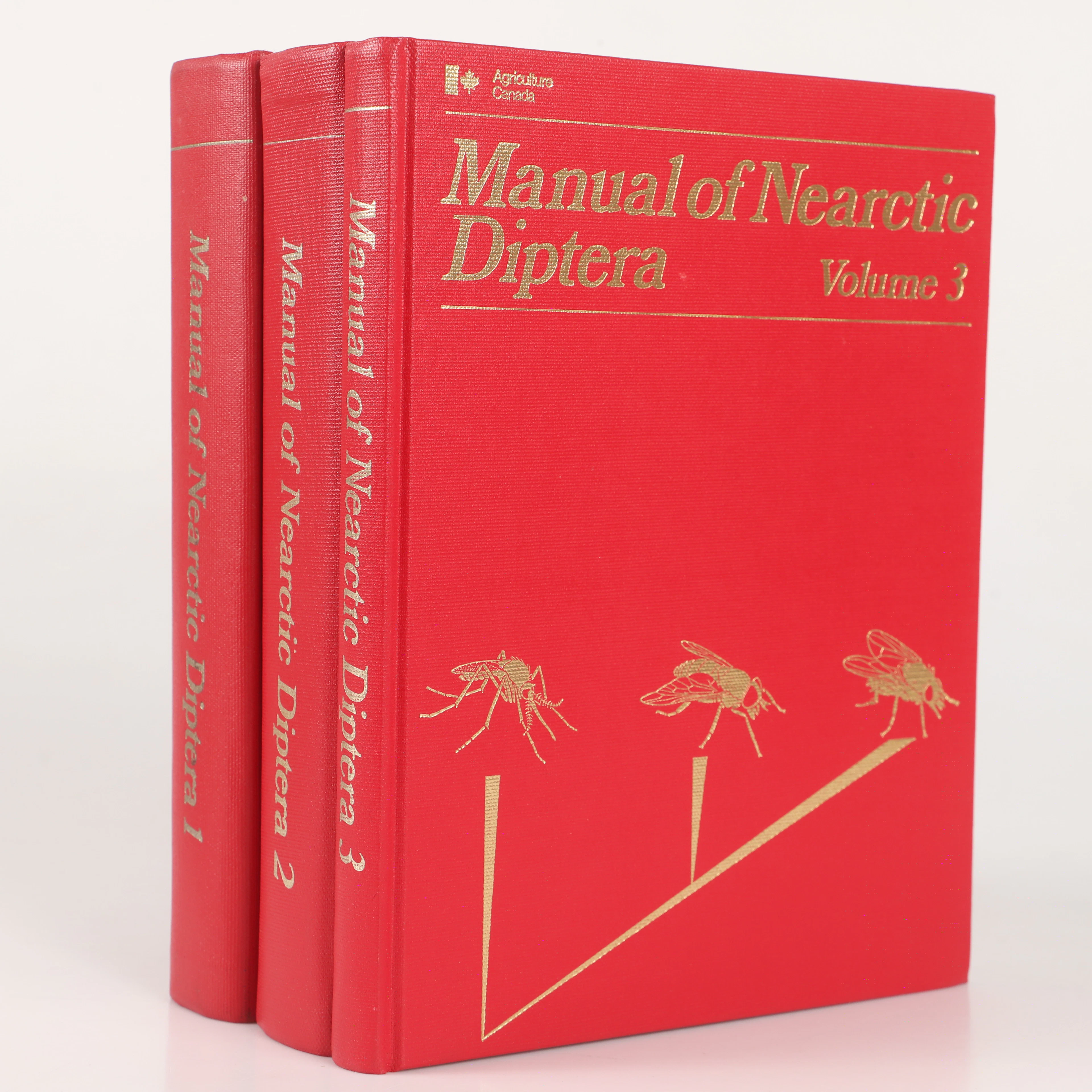
UPPSLAGSVERK, 3 band, "Manual of Nearctic Diptera", Agriculture Canada
10/20/2026

€26.99
Est. : €71.9

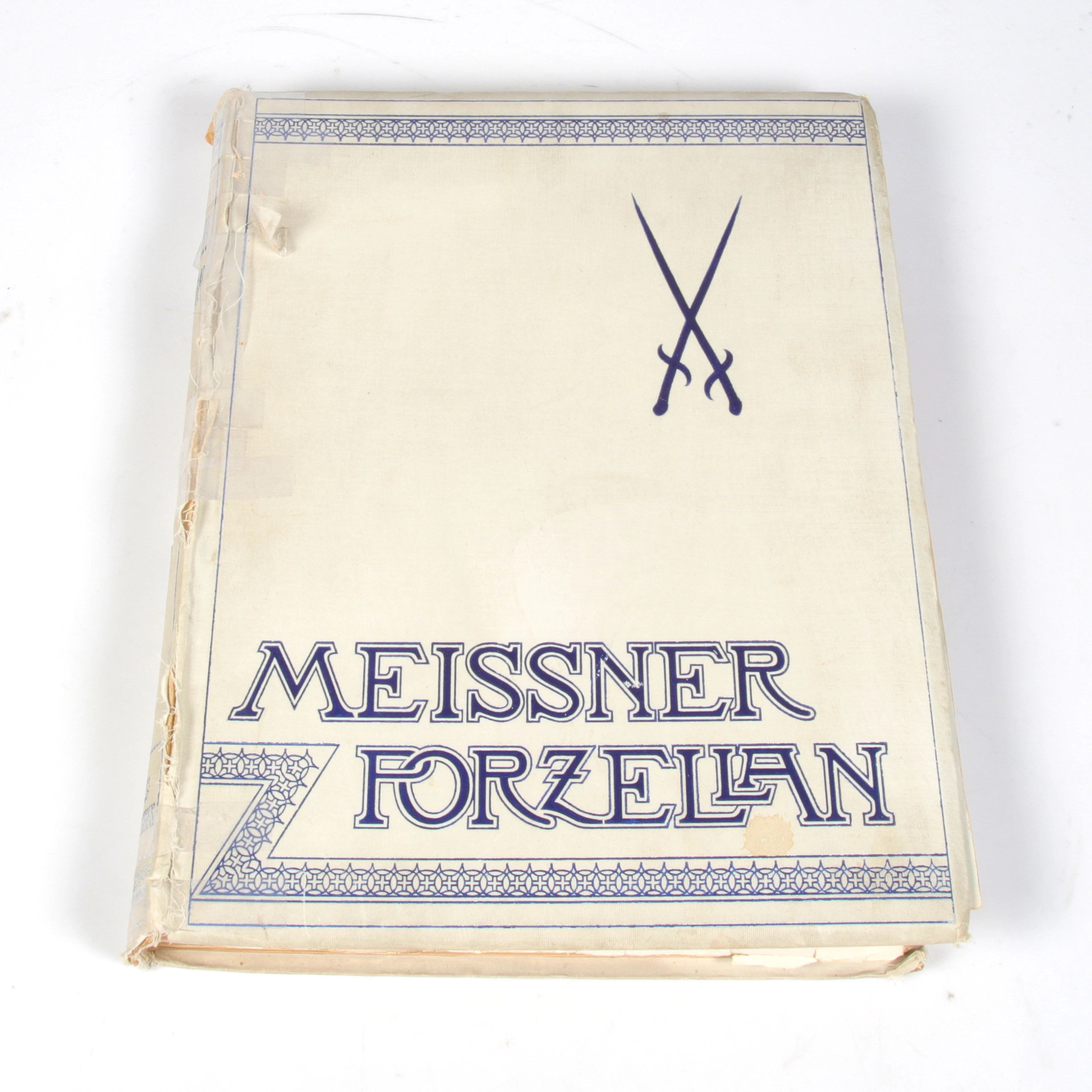
BOK, Meissner (Meissen) Porzellan, (Meissen), Von Karl Bergling. Tyskland.
10/20/2026
€100.07
Est. : €53.92



OCT 23 | 8:00 AM
Présentez votre vente aux enchères à des collectionneurs du monde entier !
Soyez référencé dès maintenantEn vous abonnant, vous acceptez la politique de confidentialité. Désabonnez-vous à tout moment.
Barnebys HQ
Brahegatan 10
BOX 5038
114 37 Stockholm
