




Présentez votre vente aux enchères à des collectionneurs du monde entier !
Soyez référencé dès maintenantEn vous abonnant, vous acceptez la politique de confidentialité. Désabonnez-vous à tout moment.
Barnebys HQ
Brahegatan 10
BOX 5038
114 37 Stockholm
Toutes les enchères / Autres / Josep Hereter (1919–1990) - El camino del atardecer

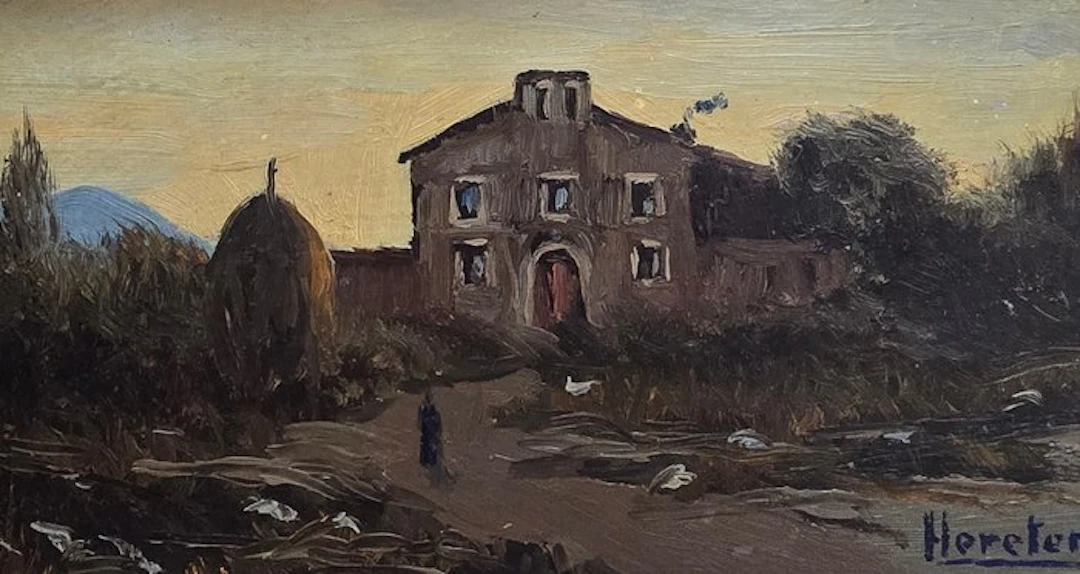
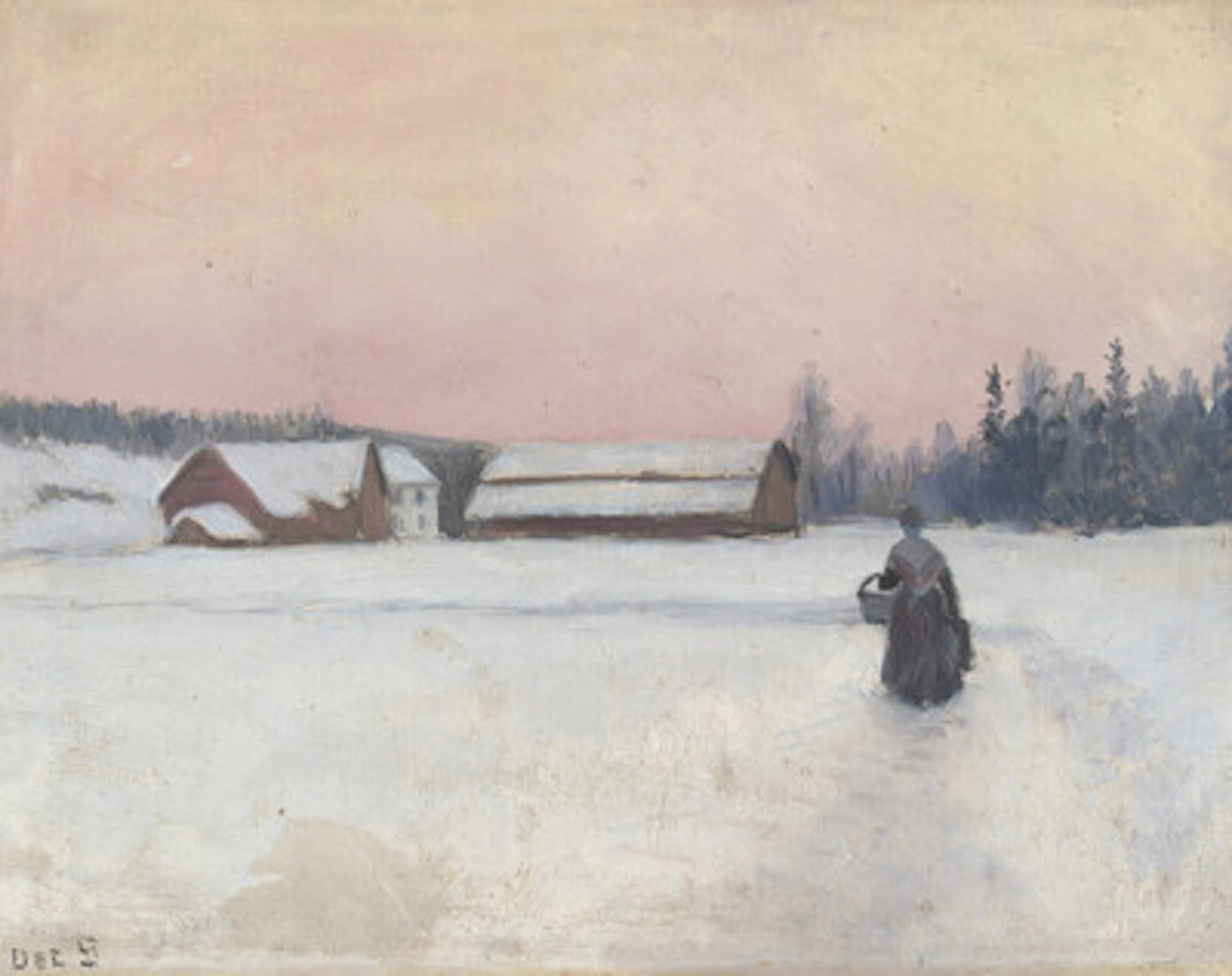
Pictura Subastas presents this magnificent work of art by Josep Hereter, depicting a solitary figure walking at sunset toward an old country house, as a symbol of returning home, memory, and the passage of time. The painting stands out for its excellent technique and the high pictorial quality it conveys. • Dimensions with frame: 34x44x7 cm. • Dimensions without frame: 12x22 cm. • Oil on board signed by the artist by hand on the right side of the work. • The piece is in good condition. • The work is sold with a beautiful frame (included in the auction as a gift). The work comes from an exclusive private collection in Girona. Important note: the photographs included are an integral part of the lot description. The painting will be professionally packed by an IVEX expert (https://www.instagram.com/ivex.online/), using high-quality materials to ensure its protection. The shipping price covers both the cost of professional packing and the transport itself. Shipping will be carried out by Correos, GLS or NACEX with tracking. International shipping is available. This painting presents a rural landscape with a silent and deeply evocative atmosphere, dominated by an old country house at the end of a road. The construction occupies the center of the composition and is surrounded by dark vegetation, fields, trees, and a large barn rising to its left. A solitary small figure advances along the path toward the dwelling, introducing a discrete human presence within the expanse of the surroundings. Across the entire scene stretches a yellowish-gray sky suggesting the late afternoon hours, when the light begins to fade and the landscape takes on an intimate and melancholic character. The house is the main focus. Its wide, symmetrical facade rises from the ground and seems to retain the solidity of an ancient construction. The central block features two clearly differentiated floors and is crowned by a pitched roof in brown, gray, and black tones. Its elevated position at the end of the road gives it a dominant presence, almost as if overseeing the fields that surround it. At the top of the building stand two vertical structures that could be chimneys. Their dark shapes stand out against the clear sky and increase the verticality of the house. They seem old and sturdy, suited to rural living marked by winters and regular use of fire. Their presence allows us to imagine the interior of the dwelling, perhaps still inhabited and warmed as evening falls. The facade contains several windows arranged in an orderly manner. Some reflect small blueish tones, while others remain dark and seem to hide silent rooms. The light frames contrast with the browns of the walls and help distinguish the building’s structure. Each opening arouses curiosity about the life that could unfold behind it. The main door is roughly centered and appears framed by a clear arch. Its reddish hue stands out discreetly against the overall darkness of the facade. This entrance functions as the natural destination of the path and of the figure as it moves toward it. The closed door conveys a mixture of shelter, mystery, and anticipation. The roof presents a simple yet slightly irregular silhouette, consistent with the age of the house. The dark tones contrast with the yellow sky and create a firm line that separates the architecture from the atmosphere. The shadows accumulated under the eaves reinforce the sense of depth. The building seems to have remained in the same place for many generations. On either side of the main body extend lower structures that could be stables, stores, or farm outbuildings. These structures blend with the terrain and almost merge with the dark masses of vegetation. Their presence expands the whole and allows imagining a property dedicated to farming. The house is not isolated, but rather the core of a small rural estate. To the left rises a large barn with a rounded shape. Its dark volume occupies a good part of that area and is sharply outlined against the sky. At the top a curved branch or pole protrudes, emphasizing its rustic appearance. The barn introduces an organic form that contrasts with the straight lines of the dwelling. The brown, ochre, and black tones of the barn suggest a dense accumulation of dried grass. A lighter band runs along one side, giving a sense of its volume. Its presence speaks of stored harvests, agricultural work, and preparation for the cold seasons. It is a mundane element that provides authenticity and memory to the landscape. Behind the barn appears a bluish mountain rising softly in the distance. Its rounded profile adds depth and opens the landscape beyond the farm. The cool tones of the mountain contrast with the warm yellow of the sky and the browns of the land. Although only partially shown, its presence reminds us that the house is part of a much broader natural setting. The path begins in the foreground and advances toward the center, narrowing as it approaches the house. Its gently curved course creates a marked sense of depth and immediately guides the viewer’s gaze. The surface is composed of browns, grays, and ochres, with lighter areas that could correspond to dry or worn earth. This trail visually links the viewer with the house. On both sides of the path accumulate dark terrain, plant remnants, and small irregular elevations. The ground seems recently worked or in a post-harvest stage. The lines across the foreground may resemble furrows, branches, stones, or farm residues. This abundance of details conveys a rough, work-bound nature. The small human figure appears roughly in the lower center, moving along the path. It is distinguished by a dark, elongated silhouette that contrasts with the somewhat lighter ground. Its small size relative to the house and landscape emphasizes the vastness of the surroundings. Although its features are not visible, its presence introduces a story and transforms the scene into more than a simple rural view. The figure seems to head toward the house’s door, perhaps returning after a day’s work. Its upright posture and isolation suggest a measured walk. It could be a person returning home at dusk, someone visiting the farm, or a resident crossing the fields in silence. The lack of detail allows for numerous narratives to be imagined. The path and the figure establish a clear narrative relationship. The path marks direction, while the person provides a reason to follow it with the gaze. This combination arouses the anticipation of an arrival. The house becomes a destination, a place of refuge and possible encounter. To the right extends a broad mass of dark trees and shrubs. Their irregular canopies form a dense boundary that hides part of the side structures. The subdued greens, grays, and blacks convey the sense of deep, poorly lit vegetation. The proximity of night seems to concentrate especially in this part of the landscape. One tree stands out for its rounded, voluminous canopy, located behind the house. Its branches form a compact mass where greens, grays, and yellowish tones blend. The light brushing the top allows separating it from the background. Its presence visually balances the volume of the barn on the opposite side. At the edges appear taller, thinner trees, whose vertical silhouettes seem to rise toward the sky. These forms frame the landscape and prevent the eye from wandering outside the composition. Their dark tones reinforce the sense of depth. The house remains protected within the vegetation, as if hidden in the countryside. The sky occupies an extensive upper band and features yellows, beiges, grays, and very muted greens. No concrete sun is visible, but the light seems to emanate from behind the house. This diffuse clarity could correspond to a tranquil sunrise or, more likely, to a sunset as the day draws to a close. The atmosphere has a contained warmth that contrasts with the darkness of the land. The transition between the bright sky and the somber landscape is one of the most expressive elements. The upper part preserves clarity, while the lower appears to sink progressively into shadow. This opposition creates a sense of change and the passage of time. The moment depicted seems to be just at the border between daytime activity and nocturnal rest. The colors of the landscape stay within a sober, earthy range. Browns, blacks, ochres, muted greens, and grays dominate the ground, the house, and the vegetation, while the yellows of the sky provide the light needed to organize the scene. The blue of the mountain and of some windows introduce small cool accents. This chromatic harmony reinforces the old, melancholic character of the place. The composition is built around a strong relationship between depth and centrality. The path begins near the viewer, the figure occupies an intermediate position, and the house rises in the background as the arrival point. Behind them appear the sky and the mountain, extending the space even further. This succession of planes allows the landscape to be explored naturally. The absence of visible activity reinforces the silence. There are no animals, carts, or people working in the fields. Only the small figure seems to move, while everything else remains still. The scene could correspond to the moment after a long day, when tools have been put away and the estate is preparing for night. The house can be interpreted as a symbol of home, memory, and permanence. Its aged appearance suggests it has witnessed many changes and has welcomed different generations. The dark windows seem to preserve stories and memories. Faced with the changing character of the fields and the seasons, the building remains a steady presence. The path represents transit, return, and the passage of time. Its curves and unevenness remind us that reaching home requires traveling a distance. The solitary figure moves along it without us knowing its origin, becoming an image of personal journey. The trail links the uncertainty of the foreground with the apparent safety of the house. The barn and the fields contribute a dimension related to effort and natural cycles. The stored harvest symbolizes the result of labor, while the dark soil seems to await a new season. The entire landscape speaks of repetition, patience, and continuity. Rural life appears as a constant bond between people and nature. There is also a delicate sense of mystery. The darkness of the vegetation, the silent windows, and the unknown identity of the figure raise questions that remain unanswered. It is impossible to know whether the house is inhabited, whether the person is returning or approaching for the first time, or what they will find upon crossing the door. This uncertainty heightens the evocative power of the work. Despite its somber tone, the scene does not convey total abandonment. The presence of the path, the barn, the outbuildings, and the human figure shows the place remains active and purposeful. The house may seem quiet, but it continues to function as the estate’s center. The light from the sky also introduces a note of hope and continuity. In sum, this painting represents an old country house at the end of a road along which a solitary figure advances, surrounded by dark fields, vegetation, a large barn, and a distant mountain. The yellowish light of the sky envelops the scene in an atmosphere of sunset, while the land and trees announce the arrival of night. The dwelling symbolizes refuge, memory, and permanence; the path represents travel and return; and the human figure recalls the close relationship between people, work, and nature. The work transforms a humble landscape into a poetic reflection on home, the passage of time, and the quiet life of the countryside.
Estimation:€300
Vers la vente aux enchèresEstimation:
€300
Présentez votre vente aux enchères à des collectionneurs du monde entier !
Soyez référencé dès maintenant