


OCT 23 | 8:00 AM

Toutes les enchères / Arts Graphiques / Henri Matisse (1869-1954) (after) - Le Buisson...

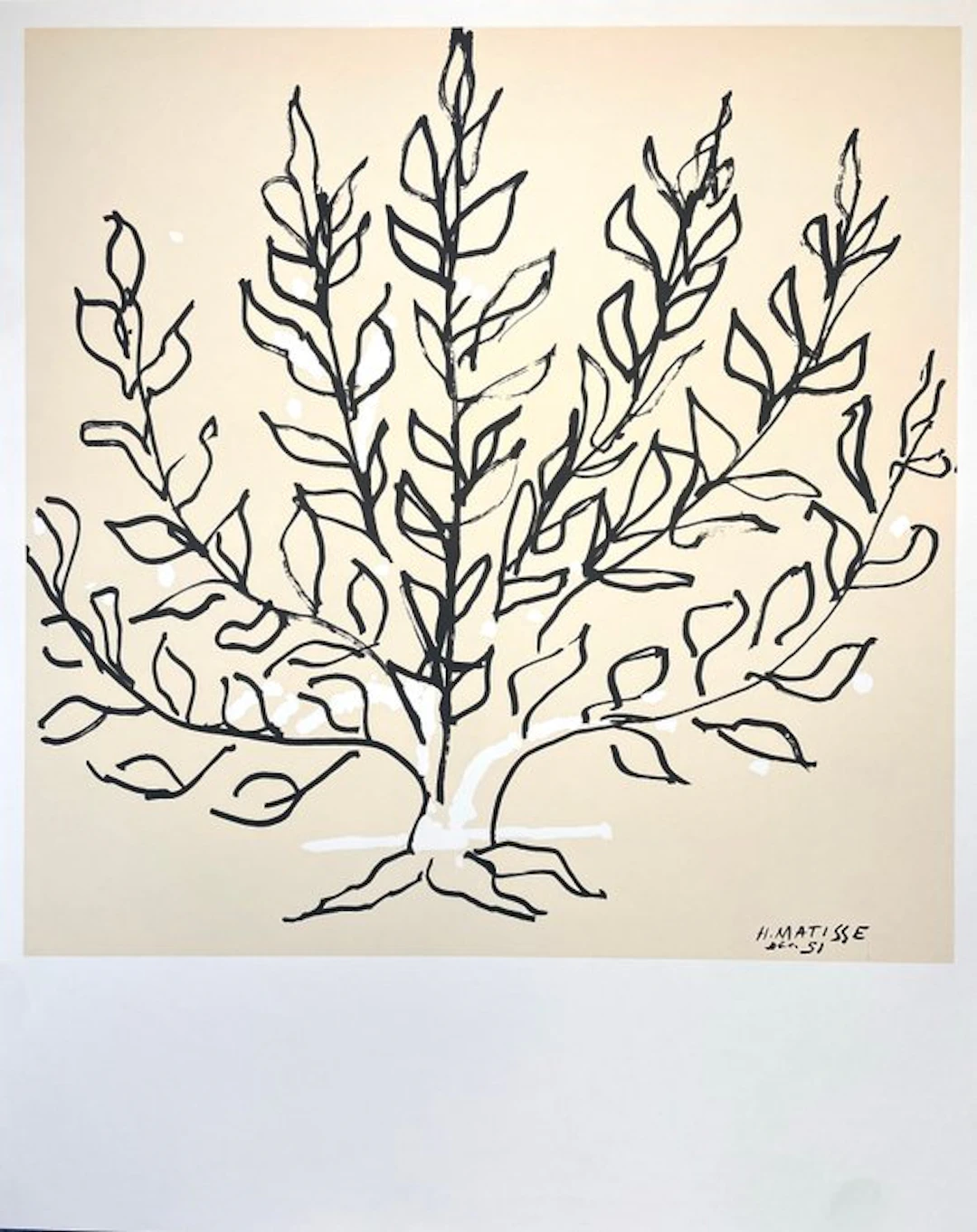
Lithograph after Henri Matisse (*) Luxury edition on high-grade cotton Vellum paper (300gsm) Signed on the plate. Matisse Succession seal on the back of the sheet. Large format Includes Certificate of Authenticity (COA). Specifications: - Support dimensions: 85 x 68 cm - Year: 1994 - Edition: 1000 copies - Condition: Excellent (this work has never been framed or exhibited, and has always been kept in a professional art folder, and is offered in perfect condition). The work will be carefully handled and packed in reinforced cardboard packaging. The shipment will be sent with tracking (UPS / DPD / DHL / FedEx) The shipment will also include full insurance for the final value of the work with full reimbursement in case of loss or damage, at no cost to the buyer. (*) Henri Matisse was born in 1869 in Cateau-Cambresis (France). As Pierre Bonnard did, Matisse studied Law. He began painting in 1890 and attended classes at the Julian Academy (1891-1892). He enrolled at the École des Beaux-Arts in Paris in 1892 and joined Gustave Moreau's studio. The landscapes and still lifes he painted in that period are of classical style, though color plays a predominant role. His first solo exhibition took place in 1904. The previous year Matisse had cofounded the Salon d’Automne and was an integral part of the group “La cage aux fauves” in 1905. Matisse is the true leader of the Fauvism movement, which caused quite a scandal; the artist applies vivid and smooth colors on the canvas that convey the intensity of his emotions, simplifies forms and outlines them with a black contour. Travels to sunny countries (Corsica, the south of France, Algeria, Spain, Tahiti…) confirm his tendency to privilege color. Matisse painted landscapes, portraits, and ensembles with figures. In 1907, the artist opened a painting school, the Academy Matisse, in his own Paris studio. He published in 1910 “Notes of a Painter” in which he states: “what I pursue above all is expression.” The arabesque is among the motifs of this expression around 1910. He painted interiors, workshops, nudes. His free treatment of color and form provokes scandal at the Armory Show in which he participated in 1913. At the end of World War I, Matisse devoted himself to representing female figures, odalisques who pose for him in décor with iridescent colors, with arabesque and floral motifs. Matisse settled in Nice in 1921, where he would live until the end of his life. Matisse drew series, engraved, illustrated, created frescoes, designed theater sets and costumes, bust models and female nudes, painted and entered a new phase of experimentation from 1947: cut and paste papers enhanced with wash painting; the artist’s work becomes more abstract. Matisse created the album “Jazz” in 1947 and another series of “Interiors” following the same scheme. Matisse died in Nice in 1954.
Estimation:€150
Vers la vente aux enchèresVoir tous les objets deCatawikiouArts Graphiques
Estimation:
€150
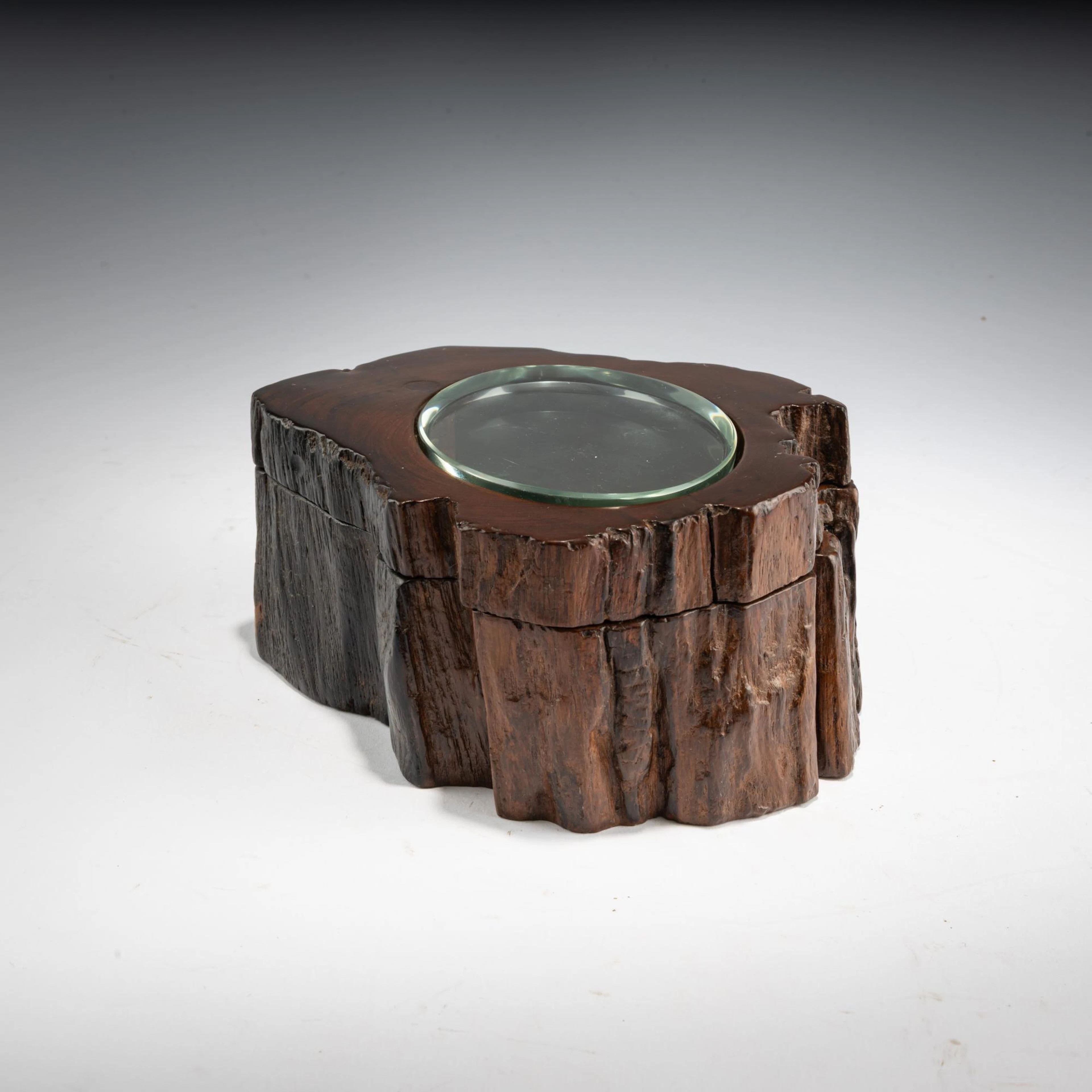
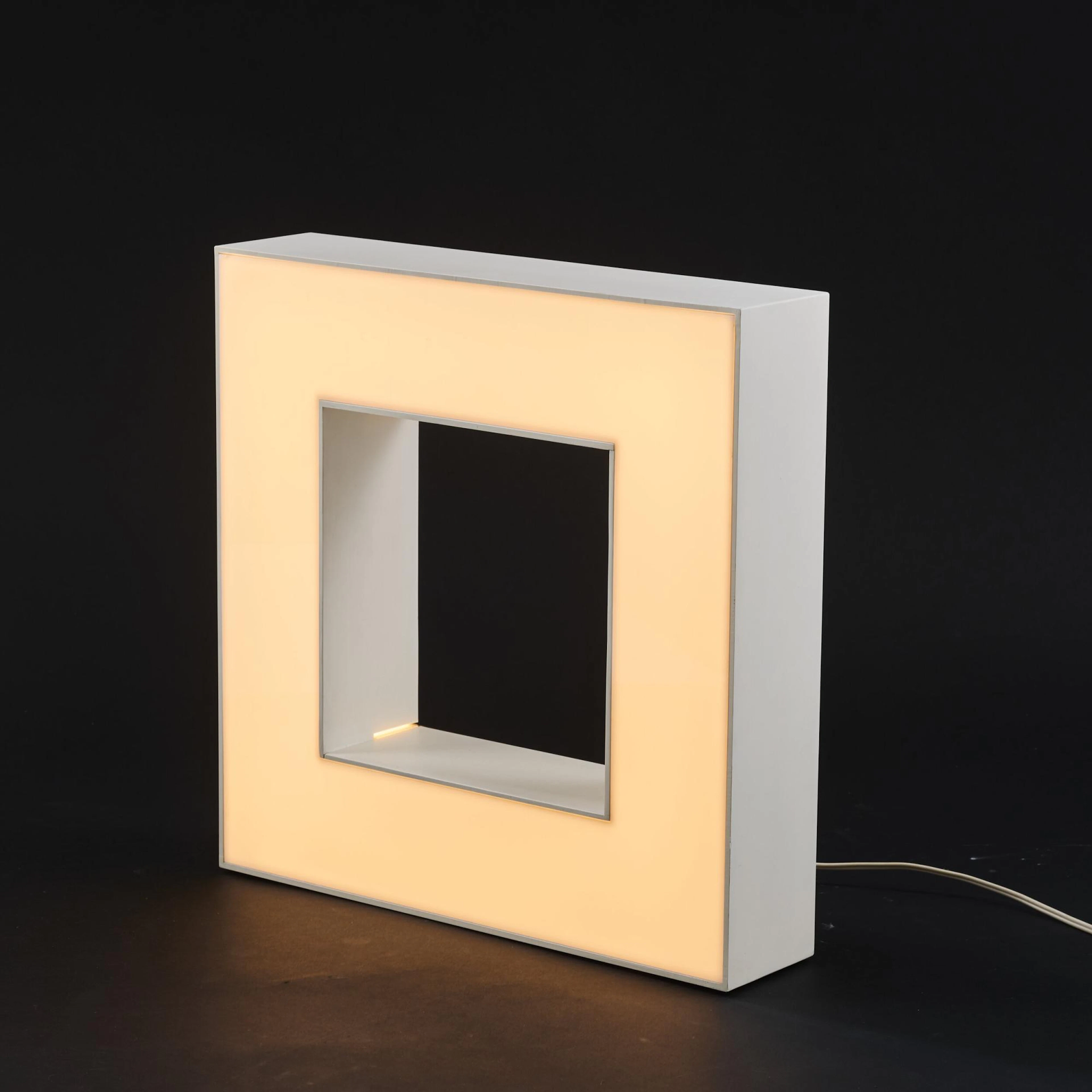
Aldo van den Nieuwelaar Wand- / Tischleuchte 'Ming', 1968 (Entwurf)
10/13/2026

€1,100
Est. : €1,200
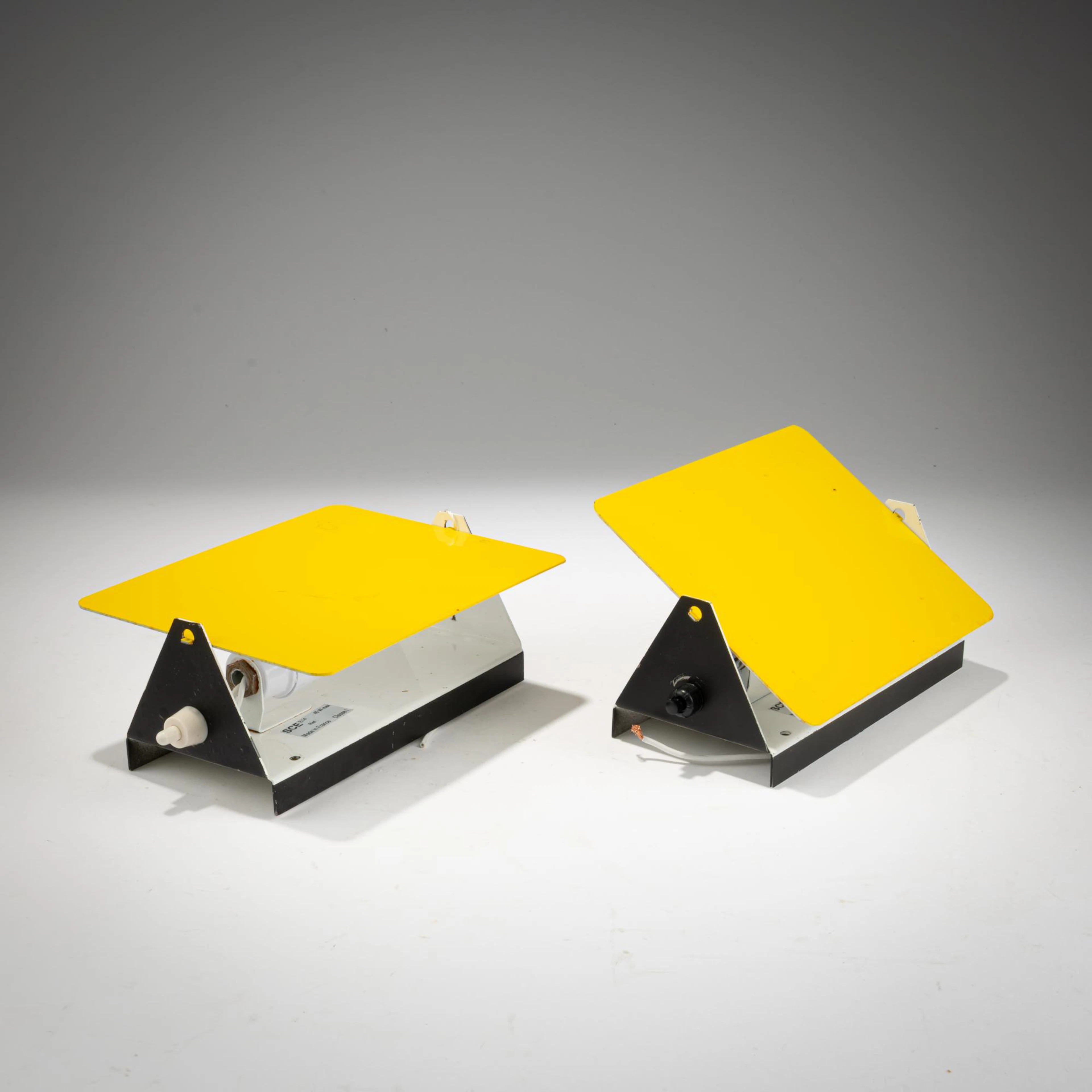
OCT 23 | 8:00 AM


OCT 27 | 4:00 PM


Présentez votre vente aux enchères à des collectionneurs du monde entier !
Soyez référencé dès maintenantEn vous abonnant, vous acceptez la politique de confidentialité. Désabonnez-vous à tout moment.
Barnebys HQ
Brahegatan 10
BOX 5038
114 37 Stockholm
