



Toutes les enchères / Arts Graphiques / Giacomo Francesco Cipper

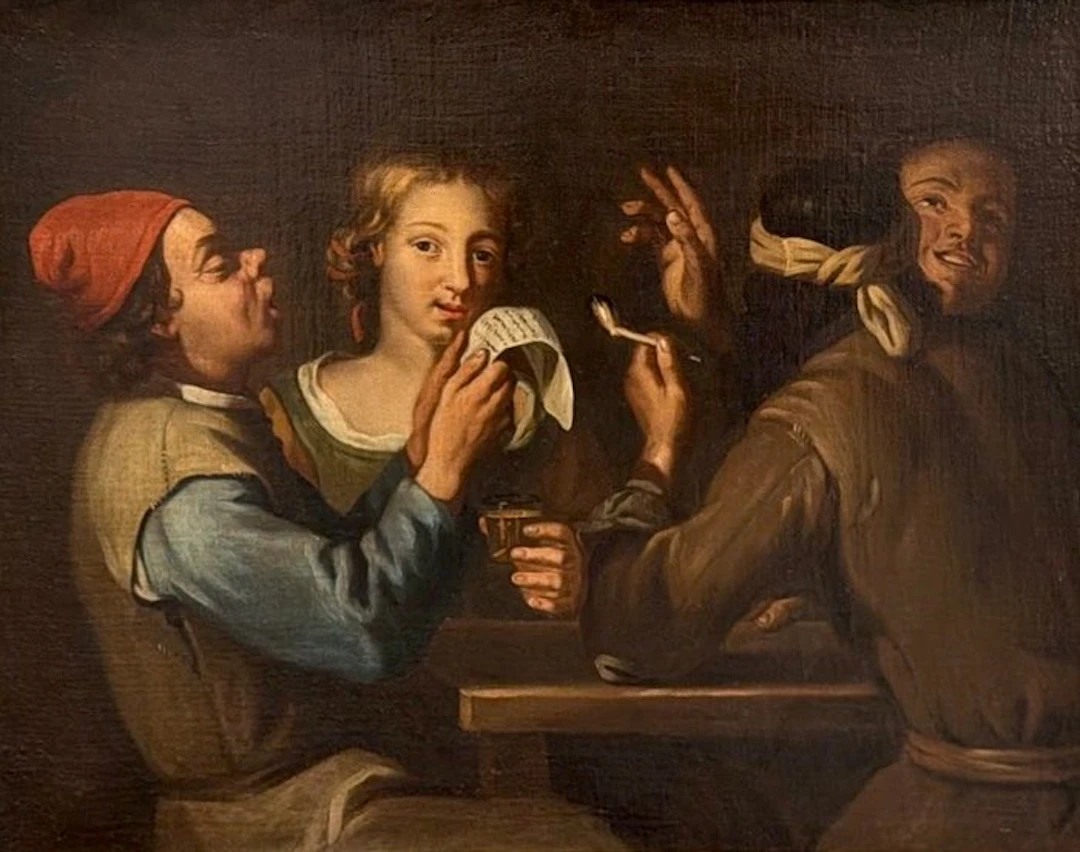
Giacomo Francesco Cipper, known as il Todeschini (Feldkirch, 1664 – Milan, 1736) Attributed “The Blind Fly” Oil on canvas, 1690/1700 Dimensions: 85 x 74 cm in gilded frame Canvas: 62 x 49 cm “The Blind Fly” is a fascinating genre composition, attributed to Giacomo Francesco Cipper, known as il Todeschini, a painter of Austrian origin active mainly in Lombardy between the late 17th century and the first half of the 18th century. The scene introduces us to a popular, intimate and dimly lit setting, where three figures seem to participate in a curious moment of amusement, complicity and subtle deceit. At the center of the composition, a young woman with a delicate face and an enigmatic gaze looks directly at the viewer, as if inviting them to become part of what is happening. On her left, a man wearing a red cap holds up a sheet bearing some signs of writing or notation, while on the right a second character, smiling and gesture-filled, appears to accompany the scene with a playful attitude. A glass, a long pipe and a few other everyday objects complete this portrayal of popular life, transforming a seemingly simple episode into a small human comedy. The narrative: a small theater of life Let us imagine a Lombard inn in the early decades of the 18th century. Three people are gathered around a table. The conversation is lively, perhaps accompanied by a glass of wine and the smoke of the pipe. A man seems to want to show or read something to the young woman, while the other intervenes with a sudden gesture, almost suggesting a joke, a prank or a mischievous provocation. The girl, however, does not seem to be fully involved. Her gaze is directed toward us: serene, aware, quietly amused. It is precisely this gaze that changes the meaning of the scene. Who is the real “blind fly”? The man who thinks he is leading the game? The companion who laughs? Or the viewer themselves, called to interpret an episode whose rules they do not know? The painting thus becomes a representation of human frailties, vanity, seduction and the pleasure of the joke. The painting seems to remind us that, in life, not everyone who watches can see, and not everyone who smiles reveals their intentions. This reading, evocative but necessarily hypothetical, returns to the composition a narrative and theatrical dimension. Analytical style and attribution From a painterly point of view, the work presents elements traceable to the Lombard genre painting tradition of the early 18th century, in which Cipper holds a significant position. Particularly interesting are the close construction of the figures, the dark background, the lighting focused on the faces and hands, and the almost theatrical character of the gestures. Todeschini was an interpreter of popular scenes, drinkers, musicians and small episodes of daily life, often portrayed with irony and lively psychological observation. The present composition appears coherent with this repertoire in thematic terms, although the direct attribution to Cipper requires further stylistic comparisons and a material examination of the painting. Narrative conclusion “The Blind Fly” tells not only of a game, but seems to stage a small deception of everyday life. Three characters, three different attitudes and a single question: who really knows the truth? Between the smile of one man, the gesture of another and the quiet gaze of the young woman, the scene gains the charm of a suspended tale, in which the observer becomes the fourth protagonist. It is in this ability to turn everyday life into theater, and a smile into a subtle reflection on human nature, that lies one of the most fascinating aspects of 18th-century genre painting. Frame: Ornamental gilded frame, Neobaroque taste, with rich vegetal foliate pierced decoration. Important gilded wooden frame, characterized by an elaborate ornamental structure with openwork carvings depicting grapevines, grape leaves, grape clusters and intertwined vegetal motifs, distributed along the entire perimeter. The decoration, particularly rich and scenographic, shows a marked plastic effect, achieved through the alternation of raised elements, openwork and gilded surfaces. The inner profile, more regular and molded, creates an elegant contrast with the exuberance of the external decorative band. Reverse analysis: the rear structure reveals wooden assembly elements, metal fasteners and suspension hooks. There are traces of workmanship, minor irregularities, surface deposits and signs of wear compatible with aging of the painting materials. The presence of metal elements and apparently later fastenings suggests possible interventions for adaptation or maintenance over time. Era and stylistic attribution The frame recalls Baroque and Rococo decorative models, reinterpreted according to historicist taste. Date: 19th century Condition Report: Good, compatible with the presumed age of the work The painting presents a legible painting surface overall, with good preservation of the compositional layout, the figures and the major color relationships. From the examination, there is widespread surface craquelure, particularly perceptible in the dark areas, compatible with natural aging of the paint layers. The paint film shows slight surface inhomogeneities and possible alterations of the protective varnishes, with moderate darkening of some areas and consequent attenuation of tonal contrasts. Note regarding the frame The frame, where present, is provided free of charge and considered an accessory element of the work, not contributing to determining its monetary value. Given the possible fragility, antiquity and delicacy of the materials, during packing, handling and transport there may be small damages, detachments, chips or breaks. Any damage to the frame cannot constitute grounds for dispute, refund requests or price reduction. The purchase is understood to refer exclusively to the described artwork, while the frame is included as a complimentary item, in the condition in which it is. Ideal for collecting and investment Professional packing and insured shipping
Estimation:€3,000
Vers la vente aux enchèresVoir tous les objets deCatawikiouArts Graphiques
Estimation:
€3,000
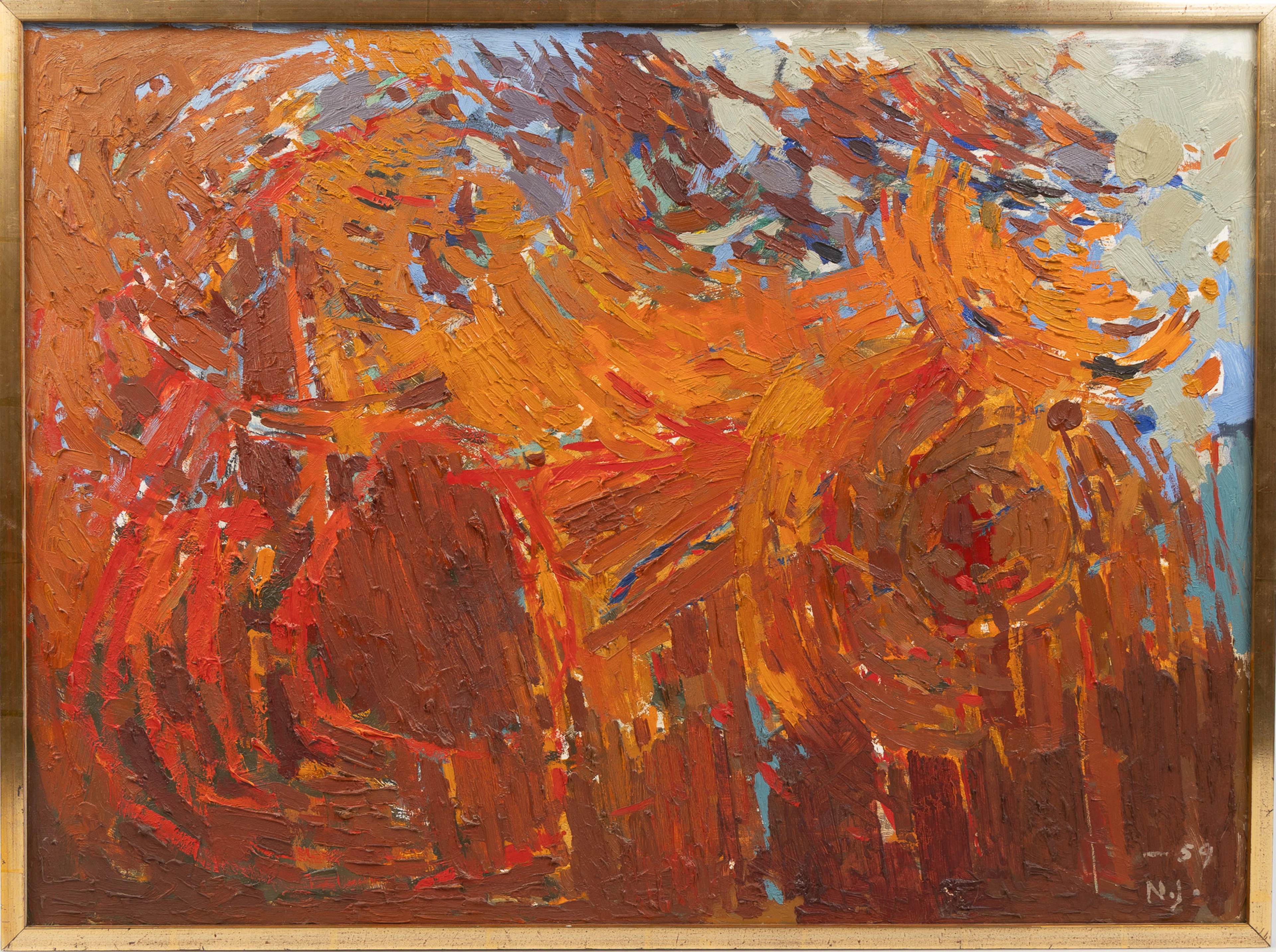
ILS JOHANSSON. "Höstvirvlar", olja på pannå.
10/08/2026
€89.25
Est. : €178.57
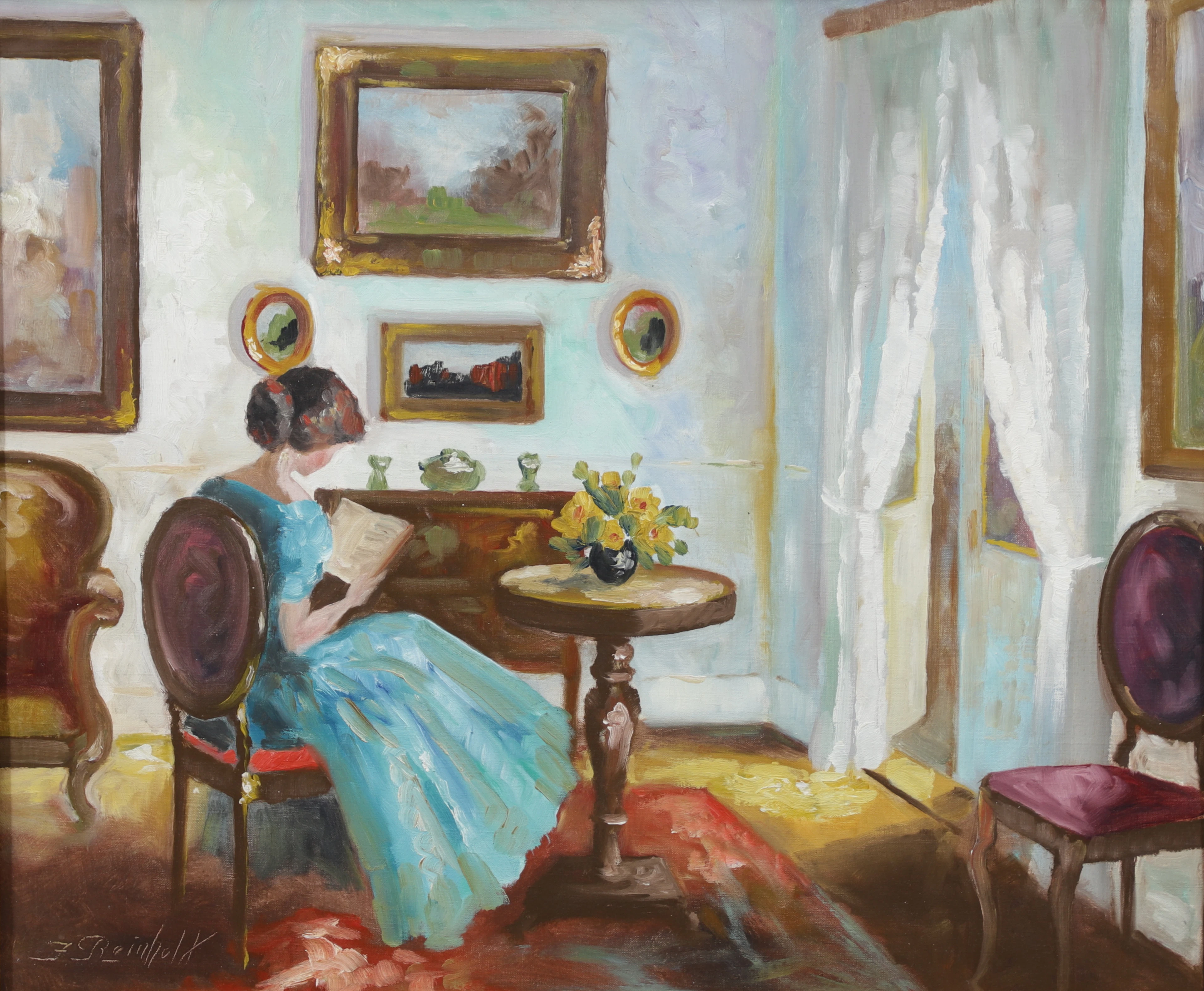
OIDENTIFIERAD KONSTNÄR. Interiör mad kvinna, olja på duk, signerad Reinholt.
10/08/2026
€35.7
Est. : €44.64
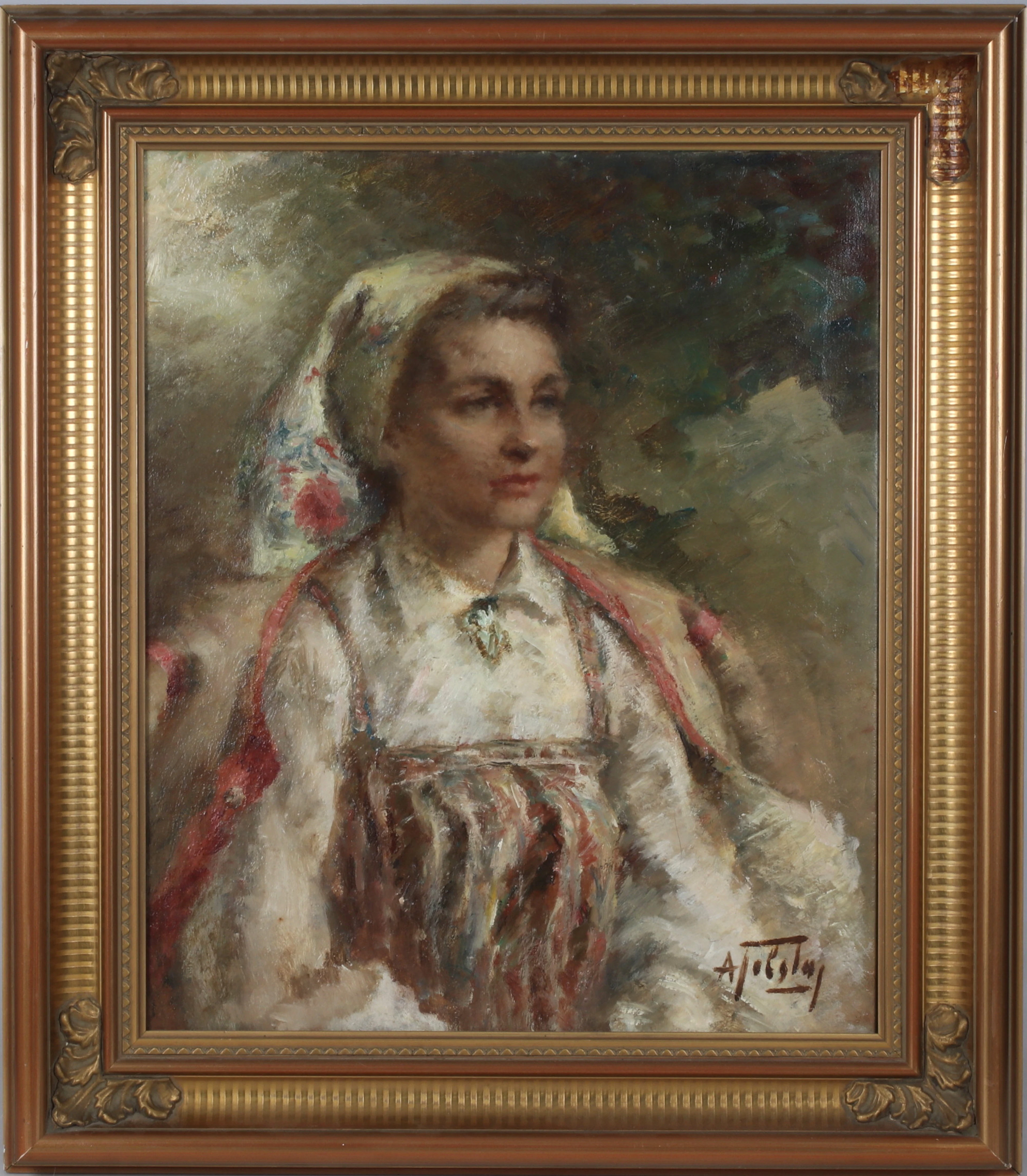
ALEXANDER TOLSTOY. Porträtt, olja på duk, signerad.
10/08/2026
€89.25
Est. : €176.92
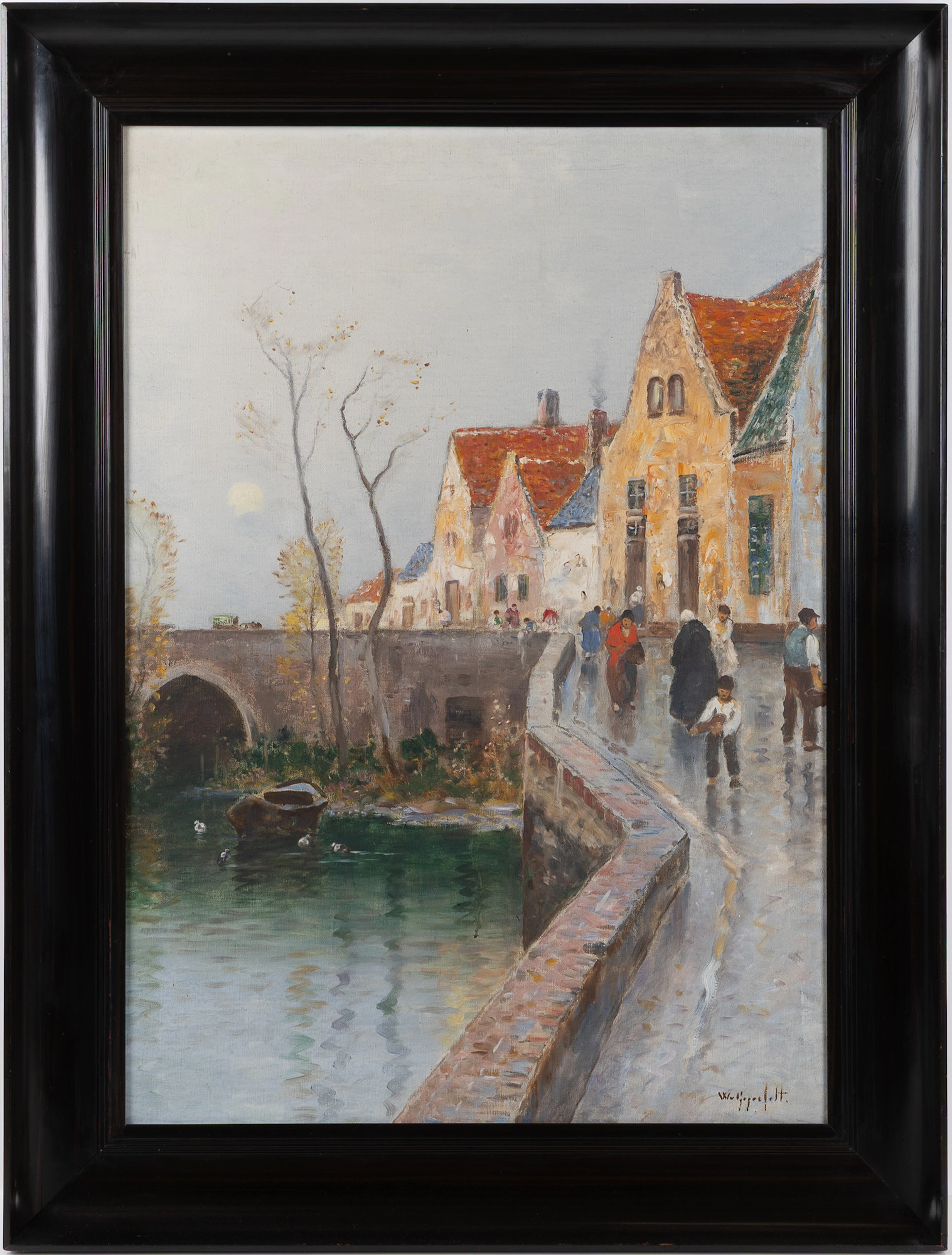
WILHELM VON GEGERFELT. Stadsmotiv med kanal, olja på duk.
10/08/2026
€169.59
Est. : €714.3
Présentez votre vente aux enchères à des collectionneurs du monde entier !
Soyez référencé dès maintenantEn vous abonnant, vous acceptez la politique de confidentialité. Désabonnez-vous à tout moment.
Barnebys HQ
Brahegatan 10
BOX 5038
114 37 Stockholm
