




Toutes les enchères / Médailles, armes & armures / Gabriel Sénac de Meilhan (1736–1803) French philosopher /...

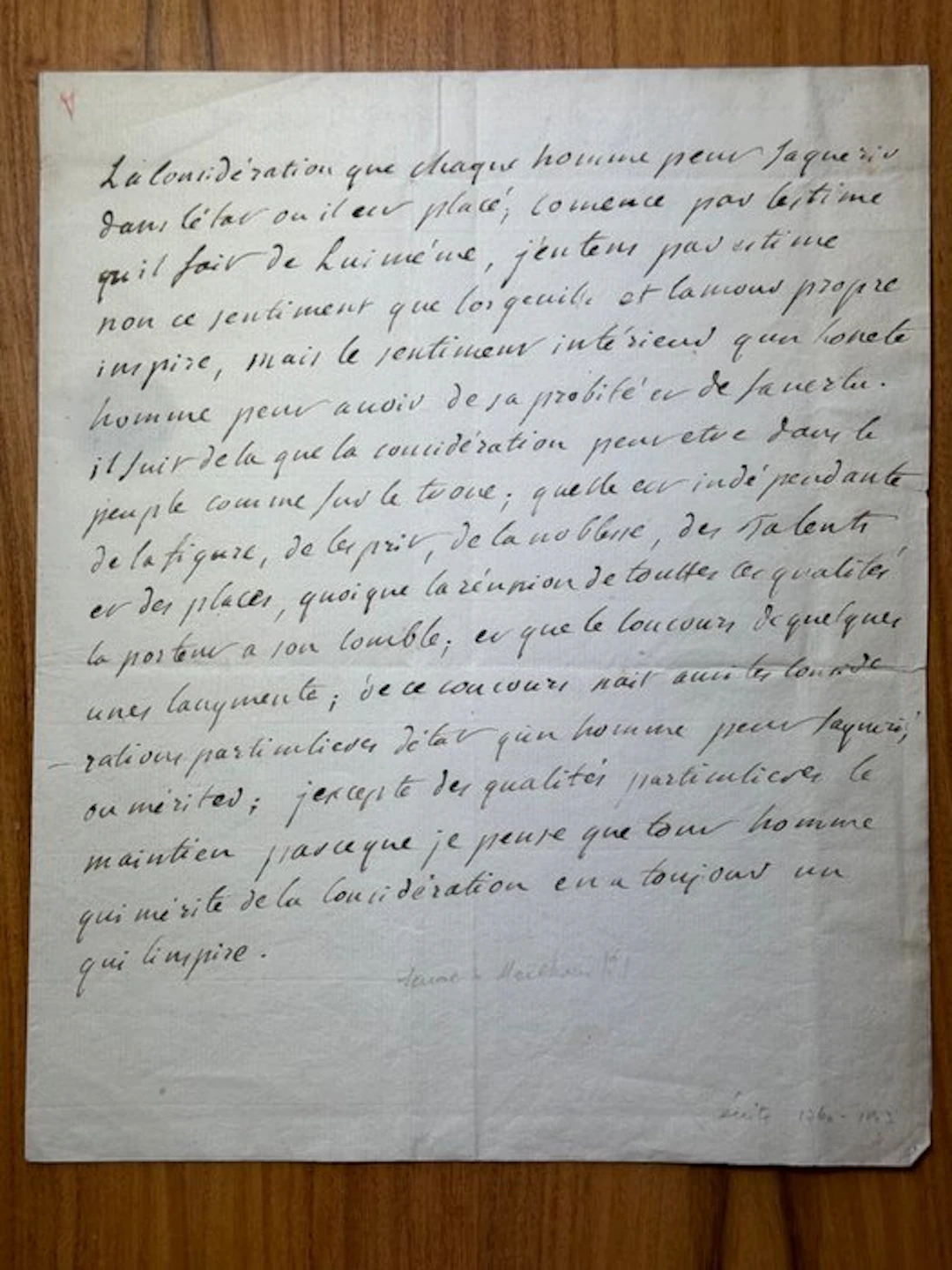
Deutsch Titel: Frankreich / Polen – Handschriftliches philosophisches Manuskriptblatt (Autograf) von Gabriel Sénac de Meilhan – Kanzlei-Abschrift auf Papier mit Wasserzeichen „D & C Blauw“ und heraldischem Exilsiegel der Grafen Mniszech – Warschau, ca. 1791 Objektbeschreibung: Zum Verkauf steht ein vollständig handschriftliches französisches Manuskriptblatt (Autograf) aus der zweiten Hälfte des 18. Jahrhunderts, das eine bedeutende philosophische Abhandlung zur Natur der gesellschaftlichen Anerkennung und menschlichen Würde dokumentiert. Inhalt: Das Dokument umfasst eine 17-zeilige, fortlaufende staatstheoretisch-philosophische Abhandlung zum Thema der gesellschaftlichen Geltung („La considération“). Der Text definiert wahre Anerkennung als direkte Frucht der inneren Rechtschaffenheit („probité“) und Tugend („vertu“). Er legt dar, dass diese Geltung unabhängig von äußerer Gestalt, Adel oder Thron sowohl im einfachen Volk als auch bei Herrschern existieren kann. Papierhistorischer Nachweis (Wasserzeichen): Die zeitliche Verortung des Dokuments in die Lebenszeit des Autors wird durch das im Papier befindliche Wasserzeichen zweifelsfrei nachgewiesen. Im Gegenlicht zeigt sich die renommierte holländische Papiermarke „D & C BLAUW“ (Dirk & Cornelis Blauw) mitsamt einem bekrönten Lilienschild (Straßburger Lilie). Diese Marke dokumentiert die Herstellung des Papiers in der zweiten Hälfte des 18. Jahrhunderts. Schriftvergleich und Kontext der Urheberschaft: Der Text ist im Zentrum mit einer alten Sammlernotiz in Bleistift dem französischen Philosophen Gabriel Sénac de Meilhan (1736–1803) zugewiesen. Ein graphologischer Abgleich mit bekannten eigenhändigen Briefen des Autors (wie seinem signierten Schreiben aus Valenciennes vom 23. Oktober 1779, dokumentiert im Explore-Voltaire-Katalog unter der Signatur CMV36823) zeigt deutliche Unterschiede zu seiner flüchtigen, privaten Alltagsschrift. Das vorliegende Blatt ist in einer eleganten, gleichmäßigen Kanzlei- oder Sekretärshand verfasst. Diese Form der Niederschrift war im Ancien Régime für Manuskriptentwürfe und repräsentative Abschriften innerhalb des Arbeitskreises eines Autors absolut standardmäßig. Offizielle Vergleichshandschriften zur Verifizierung des Schriftbildes und Autorenumfeldes sind unter folgenden Archiv-Signaturen registriert: 1. Bibliothèque de Genève, Signatur: MS 0019-053 (Pièce autographe, Exilperiode) 2. Bibliothèque de l'Institut de France, Signatur: Ms 3348-3800, Fol. 36-36 v° Historischer Kontext und heraldische Verbindung zur Empfängerin: Das Dokument wurde als Doppelblatt (Bifolium) genutzt. Auf der Außenseite ist die originale Pariser Postadresse an die berühmte Salonnière Renée-Caroline de Froullay, marquise de Créqui (1714–1803) notiert, eine langjährige und intime Briefpartnerin des Autors. Verschlossen ist das Blatt mit einem heraldischen roten Lacksiegel der polnischen Grafen Mniszech (Wandalin Mniszech). Dies dokumentiert die direkte historische Verbindung zwischen der polnischen Magnatenfamilie und der Pariser Empfängerin während der französischen Revolution: Nach seiner Flucht aus Paris im Jahr 1791 wurde der Autor Gabriel Sénac de Meilhan in Warschau vom polnischen Großmarschall der Krone, Graf Michał Jerzy Wandalin Mniszech (1742–1806), intensiv protegiert. Die Familie Mniszech war im Zuge der Adelsemeration eng mit dem Zirkel um die Marquise de Créqui verflochten und unterstützte geflohene französische Royalisten. Der heraldische Abgleich mit den offiziellen Prunkwappen der Grafen Mniszech bestätigt die Identität des Siegels: Es zeigt im Zentrum das polnische Stammwappen Kozieł mit seinen charakteristischen drei Schrägbalken im Schild, überhöht von einer gräflichen Rangkrone und flankiert von zwei heraldischen Schildhaltern. Ein identischer Siegelabdruck aus dieser Kanzlei ist im Nationalmuseum in Warschau (Muzeum Narodowe w Warszawie) unter der Inventarnummer MNW: 771633 für das Jahr 1791 registriert. Das Dokument wurde somit nachweislich von einem Kanzlisten im Hause Mniszech niedergeschrieben und mit dem Siegel des Gastgebers als diplomatischer und literarischer Gruß an die Marquise de Créqui nach Paris versiegelt. Zustand & Details: • Zustand: Gut erhalten, originale Faltspuren, Papier altersgemäß leicht patiniert, im Gegenlicht sind Stege (geliertes Papier) und das vollständige Wasserzeichen deutlich sichtbar. Das rote Originallacksiegel auf der Rückseite ist gut lesbar erhalten. • Format: Doppelblatt (Bifoliumsformat), 1 Seite Text, 1 Seite Postadresse mit Siegel. • Material: Handgeschöpftes Brief- und Dokumentenpapier des 18. Jahrhunderts. English Title: France / Poland – Handwritten philosophical manuscript sheet (Autograph) by Gabriel Sénac de Meilhan – Contemporary secretarial transcript on paper with „D & C Blauw“ watermark and heraldic exile seal of the Counts Mniszech – Warsaw, c. 1791 Description: For sale is a fully handwritten French manuscript sheet (autograph) from the second half of the 18th century, documenting a significant philosophical treatise on the nature of social recognition and human dignity. Content: The document comprises a 17-line continuous political-philosophical treatise on the nature of social recognition („La considération“). The text defines true consideration as the direct fruit of inner probity („probité“) and virtue („vertu“). It states that this standing can exist independently of physical appearance, nobility, or the throne, both among common people and rulers. Paper-Historical Evidence (Watermark): The dating of the document within the author's lifetime is definitively proven by the watermark embedded in the paper. When back-illuminated, the renowned Dutch papermaker's mark „D & C BLAUW“ (Dirk & Cornelis Blauw) appears alongside a crowned fleur-de-lis shield (Strasburg lily). This mark dates the production of the paper to the second half of the 18th century. Handwriting Comparison and Context of Authorship: The sheet is attributed in the center via an old collector's pencil note to the French philosopher Gabriel Sénac de Meilhan (1736–1803). A graphological comparison with verified autograph letters by the author (such as his signed letter from Valenciennes dated October 23, 1779, recorded in the Explore-Voltaire catalog under signature CMV36823) reveals clear differences from his hurried, private everyday hand. The present sheet is written in an elegant, uniform secretarial or scribal hand. This form of presentation was entirely standard during the Ancien Régime for manuscript drafts and contemporary transcripts within an author's working circle. Official comparative manuscripts for verifying the handwriting style and author's circle are registered under the following archive signatures: 1. Bibliothèque de Genève, Signature: MS 0019-053 (Pièce autographe, exile period) 2. Bibliothèque de l'Institut de France, Signature: Ms 3348-3800, Fol. 36-36 v° Historical Context and Heraldic Connection to the Recipient: The document was used as a bi-folium. The original Parisian postal address is noted on the outer panel, addressed to the famous salonnière Renée-Caroline de Froullay, marquise de Créqui (1714–1803), a long-standing and close correspondent of the author. The sheet is closed with a heraldic red wax seal of the Polish Counts Mniszech (Wandalin Mniszech). This documents the direct historical connection between the Polish magnate family and the Parisian recipient during the French Revolution: after fleeing Paris in 1791, the author Gabriel Sénac de Meilhan was strongly protected in Warsaw by the Polish Grand Marshal of the Crown, Count Michał Jerzy Wandalin Mniszech (1742–1806). The Mniszech family was closely intertwined with the circle around the Marquise de Créqui through royalist emigration networks. A heraldic comparison with the official coats of arms of the comital Mniszech family confirms the identity of the seal: it features the Polish Kozieł coat of arms at its center, characterized by three bendlets within the shield, topped by a count's coronet and flanked by two heraldic supporters. An identical seal impression from this chancery is registered in the National Museum in Warsaw (Muzeum Narodowe w Warszawie) under inventory number MNW: 771633 for the year 1791. This proves that the document was written out by a secretary in the Mniszech household and sealed with the host's coat of arms as a diplomatic and literary greeting to the Marquise de Créqui in Paris. Condition & Details: • Condition: Good condition, original fold lines, paper showing age-appropriate light patina, chain and laid lines as well as the complete watermark clearly visible in transmitted light. The original red wax seal on the reverse is well-preserved. • Format: Bi-folium (double sheet), 1 page of text, 1 page of postal address with seal. • Material: 18th-century handmade letter and document paper. Français Titre : France / Pologne – Feuillet de manuscrit philosophique (Autographe) de Gabriel Sénac de Meilhan – Copie d'époque par un secrétaire sur papier au filigrane « D & C Blauw » et sceau héraldique d'exil des comtes Mniszech – Varsovie, v. 1791 Description : En vente, un feuillet de manuscrit entièrement manuscrit en français (autographe) de la seconde moitié du XIXe siècle, documentant un important traité philosophique sur la nature de la considération sociale et de la dignité humaine. Contenu : Le document comprend un traité philosophique et politique continu de 17 lignes dédié à la reconnaissance sociale („La considération“). Le texte définit la véritable considération comme le fruit direct de la probité intérieure et de la vertu. Il démontre que cette considération peut exister indépendamment de l'apparence physique, de la noblesse ou du trône, tant chez le peuple que chez les souverains. Preuve papetière (Filigrane) : La datation contemporaine de la vie de l'auteur est confirmée de manière irréfutable par le filigrane présent dans le papier. Révélé en transparence, le célèbre marquage hollandais « D & C BLAUW » (Dirk & Cornelis Blauw) apparaît sous un écu couronné à la fleur de lys (fleur de lys de Strasbourg). Cette marque de papeterie atteste de la fabrication de la feuille dans la seconde moitié du XVIIIe siècle. Comparaison d'écritures et contexte de paternité : Le feuillet est attribué au centre, par une note ancienne de collectionneur au crayon, au philosophe français Gabriel Sénac de Meilhan (1736–1803). Une comparaison graphologique avec des lettres autographes avérées de l'auteur (comme sa correspondance signée de Valenciennes du 23 octobre 1779, répertoriée dans le catalogue Explore-Voltaire sous la cote CMV36823) révèle des différences nettes avec son écriture cursive et privée quotidienne. Le présent feuillet est rédigé d'une main de chancellerie ou de secrétaire, élégante et régulière. Ce mode de transcription était la norme sous l'Ancien Régime pour les projets de manuscrits et les copies d'époque au sein de l'entourage d'un auteur. Les manuscrits officiels de comparaison permettant de vérifier le graphisme et l'entourage de l'auteur sont enregistrés sous les cotes d'archives suivantes : 1. Bibliothèque de Genève, Cote : MS 0019-053 (Pièce autographe, période d'exil) 2. Bibliothèque de l'Institut de France, Cote : Ms 3348-3800, Fol. 36-36 v° Contexte historique et lien héraldique avec la destinataire : Le document a été utilisé comme un bifeuillet. L'adresse postale d'origine pour Paris est notée sur le calandrage extérieur, destinée à la célèbre salonnière Renée-Caroline de Froullay, marquise de Créqui (1714–1803), correspondante de longue date et intime de l'auteur. Le feuillet est scellé d'un cachet héraldique en laque rouge des comtes polonais Mniszech (Wandalin Mniszech). Cela témoigne des liens historiques directs entre la famille de magnats polonais et la destinataire parisienne pendant la Révolution française : après avoir fui Paris en 1791, l'auteur Gabriel Sénac de Meilhan fut accueilli et protégé au sein de la maison du grand maréchal de la Couronne, le comte Michał Jerzy Wandalin Mniszech (1742–1806). La famille Mniszech était étroitement liée au cercle de la marquise de Créqui par les réseaux de l'émigration royaliste. La comparaison héraldique avec les armoiries officielles de la famille comtale Mniszech confirme l'identité du sceau : il présente au centre l'écu de la lignée polonaise Kozieł avec ses trois bandes obliques caractéristiques, surmonté d'une couronne de comte et flanqué de deux supports héraldiques. Une empreinte de sceau identique provenant de cette chancellerie est enregistrée au Musée national de Varsovie (Muzeum Narodowe w Warszawie) sous le numéro d'inventaire MNW: 771633 pour l'année 1791. Cela prouve que le document a été transcrit par un secrétaire de la maison Mniszech et scellé aux armes de l'hôte en guise de salut diplomatique et littéraire à la marquise de Créqui à Paris. État & Détails : • État : Bon état de conservation, plis d'origine, papier patiné par le temps présentant des vergeures, pontuseaux et filigrane complet bien visibles en transparence. Le cachet de cire rouge d'origine au verso est bien conservé. • Format : Bifeuillet (double feuillet), 1 page de texte, 1 page de souscription avec sceau. • Matériau : Papier artisanal à lettre et document du Courant XVIIIe siècle. Polski Tytuł: Francja / Polska – Rękopis filozoficzny (Autograf) Gabriela Sénac de Meilhan – Kopia kancelaryjna z epoki na papierze ze znakiem wodnym „D & C Blauw” i herbową pieczęcią lakową hrabiów Mniszchów – Warszawa, ok. 1791 r. Opis: Przedmiotem sprzedaży jest w całości rękopiśmienna francuska karta manuskryptu (autograf) z drugiej połowy XVIII wieku, dokumentująca ważny traktat filozoficzny na temat natury uznania społecznego i godności ludzkiej. Treść: Dokument zawiera 17-wersowy, ciągły traktat polityczno-filozoficzny poświęcony zagadnieniu szacunku społecznego („La considération”). Tekst definiuje prawdziwe uznanie jako bezpośredni owoc wewnętrznej uczciwości („probité”) oraz cnoty („vertu”). Autor wykazuje, że szacunek ten może istnieć niezależnie od zewnętrznego wyglądu, szlachectwa czy tronu, zarówno wśród prostego ludu, jak i u władców. Dowód historyczno-papierniczy (Znak wodny): Datowanie dokumentu na okres życia autora potwierdza znak wodny widoczny w papierze. Pod światło ukazuje się renomowana holenderska marka papiernicza „D & C BLAUW” (Dirk & Cornelis Blauw) wraz z koronowaną tarczą z lilią (lilia strasburska). Znak ten dokumentuje produkcję papieru w drugiej połowie XVIII wieku. Porównanie pisma i kontekst autorstwa: Tekst został przypisany w części centralnej, za pomocą dawnej notatki kolekcjonerskiej ołówkiem, francuskiemu filozofowi Gabrielowi Sénac de Meilhan (1736–1803). Porównanie grafologiczne ze znanymi własnoręcznymi listami autora (takimi jak jego podpisany list z Valenciennes z 23 października 1779 r., zarejestrowany w katalogu Explore-Voltaire pod sygnaturą CMV36823) wykazuje wyraźne różnice w stosunku do jego pośpiesznego, prywatnego pisma codziennego. Prezentowana karta została zapisana elegancką, regularną ręką kancelaryjną lub sekretarską. Taka forma zapisu była w okresie Ancien Régime standardem przy sporządzaniu projektów manuskryptów oraz reprezentacyjnych kopii w otoczeniu autora. Oficjalne rękopisy porównawcze służące do weryfikacji charakteru pisma i otoczenia autora są zarejestrowane pod następującymi sygnaturami archiwalnymi: 1. Bibliothèque de Genève, sygnatura: MS 0019-053 (Pièce autographe, okres emigracji) 2. Bibliothèque de l'Institut de France, sygnatura: Ms 3348-3800, Fol. 36-36 v° Kontekst historyczny i połączenie heraldyczne z adresatką: Dokument zachował formę podwójnego arkusza (bifolio). Na zewnętrznej stronie widnieje oryginalny paryski adres pocztowy do słynnej salonariuszki Renée-Caroline de Froullay, markizy de Créqui (1714–1803), wieloletniej i bliskiej korespondentki autora. Arkusz jest zamknięty heraldyczną czerwoną pieczęcią lakową polskich hrabiów Mniszchów (linia Wandalin Mniszech). Dokumentuje to bezpośrednie związki historyczne między polskim rodem magnackim a paryską adresatką w czasie Rewolucji Francuskiej: po ucieczce z Paryża w 1791 roku autor Gabriel Sénac de Meilhan znalazł schronienie i protekcję w Warszawie u wielkiego marszałka koronnego, hrabiego Michała Jerzego Wandalina Mniszcha (1742–1806). Rodzina Mniszchów, poprzez sieci rojalistycznej emigracji, była blisko powiązana z kręgiem wokół markizy de Créqui. Porównanie heraldyczne z oficjalnymi herbami hrabiów Mniszchów potwierdza tożsamość pieczęci: w jej centrum znajduje się polski herb rodowy Kozieł z charakterystycznymi trzema skosami w tarczy, zwieńczony koroną hrabiowską i otoczony dwoma trzymaczami heraldycznymi. Identyczny odcisk pieczęci z tej kancelarii jest zarejestrowany w Muzeum Narodowym w Warszawie pod numerem inwentarzowym MNW: 771633 dla roku 1791. Dowodzi to, że dokument został przepisany przez kancelistę w domu Mniszchów i opieczętowany herbem gospodarza jako dyplomatyczne i literackie pozdrowienie dla markizy de Créqui w Paryżu. Stan i szczegóły: • Stan: Dobry, oryginalne ślady składania, papier z epoki lekko patynowany, pod światło dobrze widoczna struktura papieru czerpanego oraz pełny znak wodny. Czerwona oryginalna pieczęć lakowa na odwrocie zachowana w czytelnym stanie. • Format: Podwójny arkusz (bifolio), 1 strona tekstu, 1 strona adresu z pieczęcią. • Materiał: Czerpany papier listowy i dokumentowy z XVIII wieku. Anhang / Appendix / Annexe / Aneks 1. Zeilengetreue Original-Transkription (Französisch) La considération que chaque homme peut s'acquérir dans l'état où il est placed, commence par l'estime qu'il fait de lui-même, j'entends par estime non ce sentiment que l'orgueil, et l'amour propre inspire, mais le sentiment intérieur qu'un honnête homme peut avoir de sa probité et de sa vertu. Il suit de là que la considération peut être dans le peuple comme sur le trône; qu'elle est indépendante de la figure, de l'esprit, de la noblesse, des talents et des places, quoique la réunion de toutes ces qualités la portent à son comble, et que le concours de quelques unes l'augmente; de ce concours nait aussi les considé- rations particulières d'état qu'un homme peut s'acquérir par son mérite; j'excepte des qualités particulières le maintien parceque je pense que tout homme qui mérite de la considération en a toujours un qui l'inspire. 2. Vollständige Übersetzung (Deutsch) Die Anerkennung, die jeder Mensch in dem Stand, in den er gestellt ist, erlangen kann, beginnt mit der Achtung, die er vor sich selbst hat; ich verstehe unter Achtung nicht jenes Gefühl, das Stolz und Eigenliebe einflößen, sondern das innere Gefühl, das ein ehrlicher Mann von seiner Rechtschaffenheit und seiner Tugend haben kann. Daraus folgt, dass die Anerkennung im Volke ebenso existieren kann wie auf dem Thron; dass sie unabhängig ist von der Gestalt, dem Geist, dem Adel, den Talenten und den Rängen, wenngleich die Vereinigung all dieser Qualitäten sie auf ihren Höhepunkt treibt und das Zusammenwirken einiger von ihnen sie vermehrt; aus diesem Zusammenwirken entstehen auch jene besonderen Anerkennungen des Standes, die ein Mensch durch sein Verdienst erlangen kann; ich nehme von den besonderen Eigenschaften das Auftreten (die Haltung) aus, weil ich denke, dass jeder Mensch, der Anerkennung verdient, immer ein Auftreten hat, das diese einflößt. 3. Full Translation (English) The consideration that every man can acquire in the state in which he is placed, begins with the esteem he has for himself; by esteem I do not mean that feeling which pride and self-love inspire, but the inner feeling that an honest man can have of his probity and his virtue. It follows from this that consideration can exist among the people just as it does on the throne; that it is independent of appearance, mind, nobility, talents and ranks, although the union of all these qualities brings it to its peak, and the combination of some of them increases it; from this combination also arise those particular considerations of status that a man can acquire through his merit; I except demeanour from the particular qualities because I think that every man who deserves consideration always has one that inspires it. 4. Tłumaczenie (Polski) Szacunek, jaki każdy człowiek może sobie zjednać w stanie, w którym go postawiono, zaczyna się od poważania, jakim darzy on samego siebie; przez poważanie rozumiem nie to uczucie, które budzą duma i miłość własna, lecz wewnętrzne przekonanie, jakie uczciwy człowiek może mieć o swojej rzetelności i cnocie. Wynika stąd, że szacunek może istnieć tak samo wśród ludu, jak i na tronie; że jest on niezależny od wyglądu, umysłu, szlachectwa, talentów i stanowisk, aczkolwiek połączenie wszystkich tych przymiotów doprowadza go do szczytu, a współdziałanie niektórych z nich go powiększa; z tego współdziałania rodzą się także szczególne względy związane ze stanem, jakie człowiek może zjednać sobie swoimi zasługami; wyłączam z tych szczególnych przymiotów postawę (sposób bycia), ponieważ uważam, że każdy człowiek, który zasługuje na szacunek, zawsze posiada taką postawę, która go budzi. #B669 We guarantee age and origi
Estimation:€150
Vers la vente aux enchèresVoir tous les objets deCatawikiouMédailles, armes & armures
Estimation:
€150
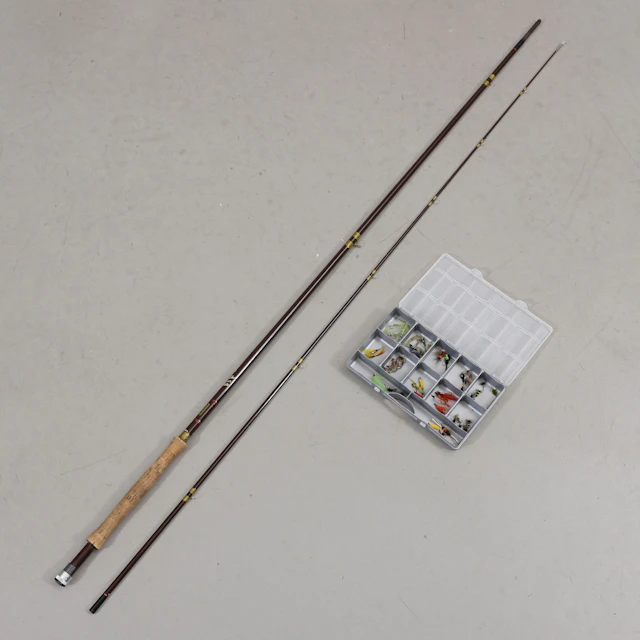
FLUGFISKESPÖ med flugor, "Richard Walker Reservoir Superlite", Hardy England.
10/23/2026
€53.92
Est. : €107.93
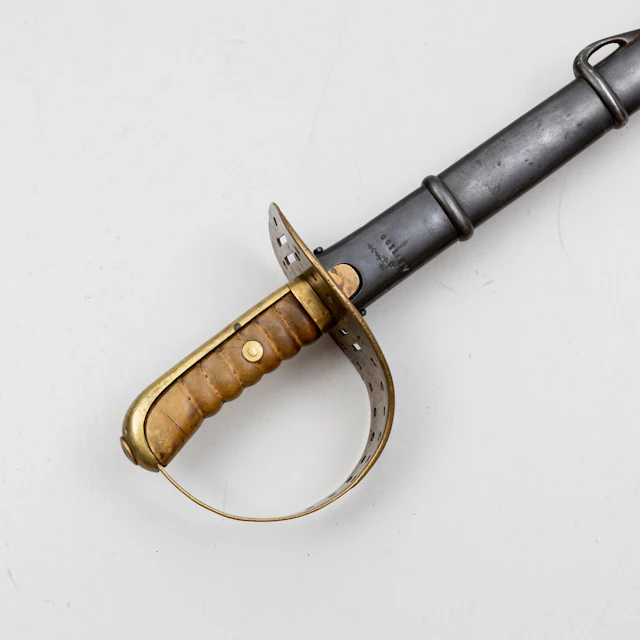
SABEL, Sverige, m/1867, för manskap vi kavalleriet.
10/23/2026
€113.96
Est. : €89.94

VASAORDEN, guld 18k och emalj, CF Carlman, Stockholm, vikt 14,62 gram.
10/23/2026
€996.22
Est. : €719.58
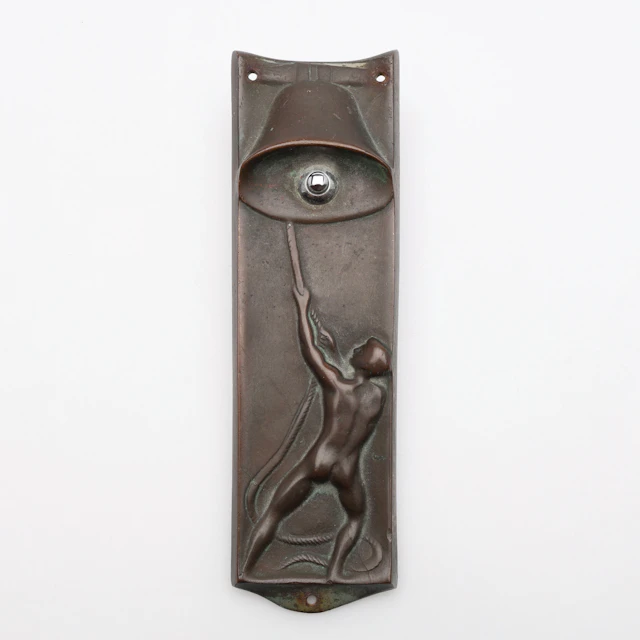
DÖRRKLOCKA, PATINERAD BRONS, 1900-TALETS FÖRSTA HÄLFT.
10/23/2026
€64.17
Est. : €71.82




OCT 27 | 4:00 PM
Présentez votre vente aux enchères à des collectionneurs du monde entier !
Soyez référencé dès maintenantEn vous abonnant, vous acceptez la politique de confidentialité. Désabonnez-vous à tout moment.
Barnebys HQ
Brahegatan 10
BOX 5038
114 37 Stockholm
