



OCT 23 | 8:00 AM

Toutes les enchères / Mobilier, Design & Miroirs / Flip clock - Rhythm No

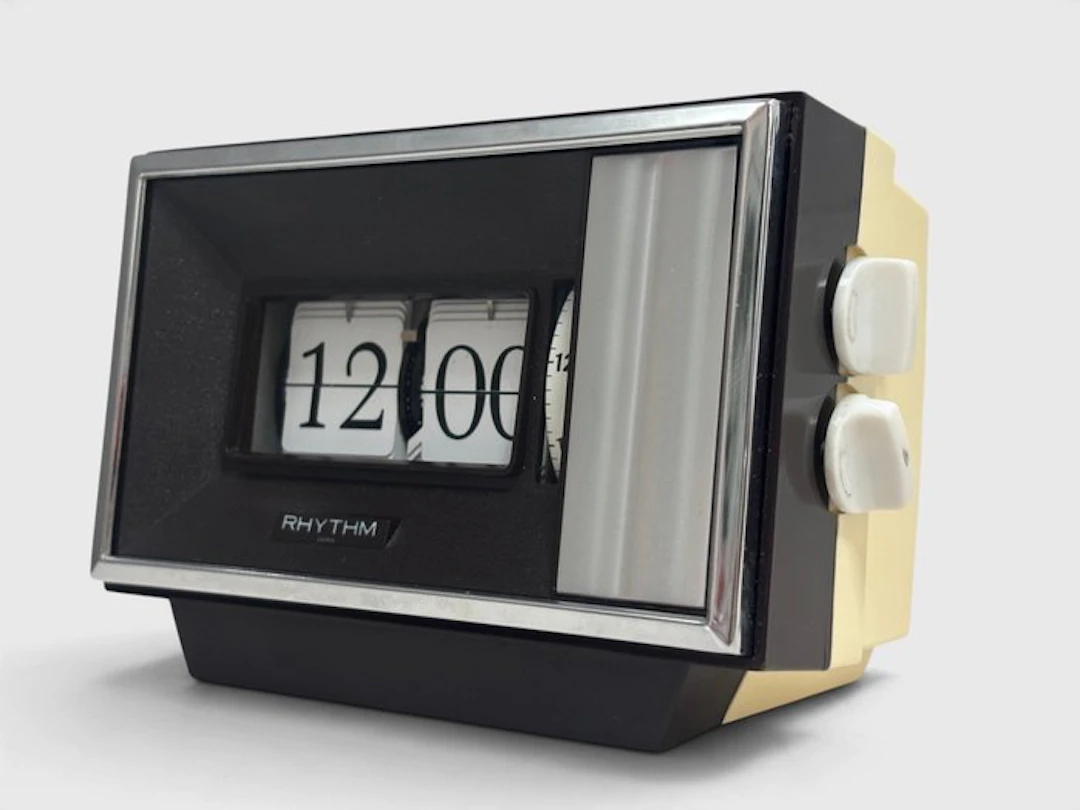
RHYTHM No. 16506 – SPACE AGE SCULPTURAL MECHANICAL FLIP CLOCK ALARM – JAPANESE MODERNIST DESIGN – 1960s An outstanding example of Japanese Space Age industrial design, combining a sculptural architectural case, an unusual asymmetrical front, distinctive large-format flip-card typography, genuine glass, contrasting materials and a completely mechanical hand-wound movement. Manufactured in Japan by Rhythm, reference No. 16506, this fascinating mechanical flip clock alarm is believed to date from the 1960s. Its distinctive appearance represents an interesting meeting point between traditional Japanese clockmaking, modernist industrial design and the emerging futuristic aesthetics of the Space Age. Unlike conventional alarm clocks with circular dials and hands, this model presents time through large mechanical flip cards, creating the appearance of a digital clock while operating entirely through traditional mechanical engineering. Its bold geometry, remarkable typography and carefully arranged contrasting materials make it an attractive collector's piece, both as a working mechanical timepiece and as an original example of vintage Japanese design. DESIGN – SCULPTURAL GEOMETRY & JAPANESE SPACE AGE AESTHETICS The most remarkable characteristic of this Rhythm clock is its unusual architectural silhouette. Instead of the familiar circular or rounded construction of traditional mechanical alarm clocks, the No. 16506 features a compact, horizontal body with sharply defined volumes, inclined planes, stepped surfaces and a striking geometric front. The main housing is manufactured from moulded plastic in a warm ivory/beige colour. Its rectangular rear body features smooth surfaces, softly defined edges and a clean, understated appearance. In sharp contrast, the front section is finished in deep dark brown, almost black. This frontal structure projects forward from the lighter rear housing, creating a layered composition with a pronounced sense of depth. The lower section extends outward into an angular, wedge-shaped base, giving the clock an inclined appearance and allowing the time display to be read comfortably when positioned on a desk, shelf or bedside table. Seen from the side, the clock reveals an interesting sculptural profile, with the ivory housing, projecting dark front and inclined supporting structure forming three distinct geometric volumes. This unusual construction recalls the compact instrument consoles, early electronic equipment and futuristic domestic accessories associated with 1960s industrial design. AN ASYMMETRICAL, ARCHITECTURAL FRONT The front panel is particularly sophisticated in its composition. Rather than positioning the numerical display in the centre of a conventional frame, Rhythm adopted an asymmetrical arrangement based on contrasting textures, materials and rectangular shapes. Deeply recessed numerical display The hour and minute indication is positioned inside a rectangular opening surrounded by a deep, dark brown angular frame. The sloping internal surfaces create a tunnel-like effect, directing the viewer's attention towards the white numerical cards. The dark, slightly textured finish of the recessed structure creates a beautiful contrast with the smooth white cards and their large black numbers. The effect is almost architectural, resembling the display recesses found in vintage electronic instruments and control panels. Brushed silver-tone decorative insert On the right side of the front is a tall rectangular insert with a brushed silver-tone finish. Its smooth metallic-looking surface contrasts elegantly with the dark textured surroundings. This vertical decorative element creates a deliberate asymmetry, balancing the numerical display while contributing to the sophisticated modernist appearance of the clock. Polished metallic front surround The entire frontal composition is enclosed by a polished silver-tone rectangular border. This reflective frame emphasises the clock's geometric construction and provides a visual transition between the dark front panel and the warm ivory housing. Original Rhythm identification The original RHYTHM JAPAN logo is positioned beneath the mechanical flip display. Its simple lettering perfectly complements the functional, modernist aesthetic of the object. GENUINE GLASS FRONT COVER An important construction detail is the presence of an original genuine glass front cover, rather than a conventional transparent plastic window. The glass is intact, without cracks or breakages. It can be carefully removed for cleaning, allowing the numerical display and the inside surface of the glass to be maintained without dismantling the entire movement. This detail adds to the quality and practical design of the clock. The combination of moulded plastic, genuine glass, dark textured surfaces, brushed silver-tone details and polished trim creates an elegant composition of contrasting materials. THE TYPOGRAPHY – THE DISTINCTIVE COPAL-STYLE NUMERALS One of the most interesting and visually significant characteristics of this Rhythm clock is the typography used for its original mechanical flip cards. The hours and minutes are displayed through large black numerals printed on individual white cards. The typography is exceptionally clear, with carefully balanced proportions and a remarkably modern appearance. The numerals feature a refined, high-contrast style with noticeable differences between the heavier and finer parts of the characters, giving them an elegant and almost editorial quality. Their appearance recalls the characteristic numerical lettering found on certain vintage Japanese mechanical flip clocks, sometimes informally referred to by collectors as “Copal-style numerals.” This designation is used here only as a stylistic comparison. It does not imply that the clock was manufactured by Copal or that it contains a Copal movement. TYPOGRAPHIC DESIGN & VISUAL CHARACTERISTICS The distinctive features include: Large, highly legible black numerals against a white background Elegant numerical proportions with a refined typographic appearance Contrasting thick and thin strokes, particularly visible in the rounded characters Carefully shaped curves and balanced internal spaces A strong visual presence, enhanced by the deep dark display recess Horizontal divisions through the centre of the cards, characteristic of mechanical flip-clock construction A clean, instrument-like numerical arrangement with no unnecessary graphic decoration The shapes of the numerals are particularly attractive. The rounded forms of the 0, 6, 8 and 9, the construction of the 1 and the proportions of the remaining characters create a distinctive typographic identity. The horizontal division of each number, caused by the two-part flip-card construction, adds another visual element typical of early mechanical digital displays. Unlike the seven-segment numerals of later electronic clocks, these characters preserve the elegance of traditional printed typography. This creates a fascinating contrast between an entirely mechanical object and a numerical display that anticipates the appearance of digital timekeeping. The typography is not merely a functional detail. It is an essential element of the clock's overall design, contributing significantly to its unmistakable vintage character and collector appeal. The generous dimensions of the numerals, combined with the dark recessed front and genuine glass cover, provide excellent readability. The original cards are intact, correctly aligned and fully operational. RHYTHM – JAPANESE CLOCKMAKING HISTORY Rhythm is one of the established names in Japanese clock manufacturing. The origins of the company date back to 1946, when its predecessor, Noson Tokei Seisakujo, was established. Rhythm Watch Co., Ltd. was officially founded in 1950. Already in 1951, the company introduced a domestically manufactured clock featuring a plastic frame, an important milestone in the use of modern industrial materials within Japanese clock production. In 1953, Rhythm established technical, commercial and financial cooperation with Citizen Watch Co., Ltd. and Citizen Trading Co., Ltd. This cooperation contributed to the company's industrial development and its position within the Japanese precision timekeeping industry. Over the following decades, Rhythm expanded its range of mechanical, transistorised and eventually quartz clocks. According to the company's historical records, Rhythm became the world's largest clock manufacturer by production volume in 1972. The No. 16506 is representative of the era in which mechanical clockmaking and modern industrial design came together. Its sophisticated moulded-plastic housing, unusual geometric presentation and mechanical flip-card display reflect the technological creativity associated with Japanese timekeeping during the Space Age. Although the exact production year of this particular reference has not been independently confirmed, its construction and styling are consistent with a 1960s attribution. FULLY MECHANICAL MOVEMENT – TRADITIONAL ENGINEERING BEHIND A FUTURISTIC DISPLAY Despite its modern appearance, this clock is powered by an entirely mechanical hand-wound spring movement. No batteries or electrical connection are required. The mechanism combines traditional horological principles with an ingenious mechanical flip-card display. Its construction includes: Traditional mechanical gear train and escapement Hand-wound mainspring mechanism Mechanical hour and minute flip-card assemblies Cam-operated hour-changing system Mechanical transmission components A friction-adjustable hour mechanism allowing careful alignment of the display Mechanical alarm system Manual winding and adjustment controls The movement is mounted on a metal framework, with the individual components arranged in a compact and carefully engineered assembly. The photographs of the disassembled clock show the internal construction, including the metal supports, mechanical movement, gears and flip-card mechanism. MECHANICAL FLIP-CARD OPERATION The time is displayed through two separate groups of mechanical flip cards. The cards advance progressively as the movement runs. The hour-changing mechanism is controlled mechanically, synchronising the numerical display with the movement. A separate numbered indicator is positioned to the right of the flip display and forms part of the alarm-setting arrangement. The mechanism combines the familiar ticking and traditional engineering of a mechanical clock with the visual appearance of a digital display. This combination is one of the most appealing characteristics of early mechanical flip clocks. FUNCTIONAL CONDITION & VIDEO DOCUMENTATION The clock is completely functional and keeps time very well. The mechanical movement has been carefully inspected and tested over an extended period. The flip-card mechanism operates smoothly, with regular and precise numerical transitions. The original white cards are intact, correctly aligned and advance as intended. The mechanical alarm is operational. The power reserve is approximately 24 hours on a full winding, consistent with this type of daily-winding mechanical clock. Both the interior and exterior have been carefully cleaned. A video showing the clock in operation, including the mechanical movement and flip-card mechanism, is available at the following link: https://youtu.be/2M63PUk1hto The video provides additional documentation of the clock's actual operation and is recommended viewing for anyone interested in its mechanical construction. ORIGINAL VINTAGE CONDITION The clock is presented in very good vintage condition considering its age. The original plastic housing has no cracks or breakages. The distinctive ivory/beige and dark brown body remains structurally intact. The original front panel, polished metallic trim, brushed silver-tone decorative insert and RHYTHM JAPAN identification are all present. The genuine glass front cover is intact and removable for convenient cleaning. The original mechanical flip cards remain in good condition, correctly aligned and fully operational. The clock may show minor surface marks, small scratches, light wear and natural colour variations consistent with age and normal use. Such characteristics are typical of authentic vintage objects and should be considered part of their historical character. The clock has been carefully cleaned internally and externally, inspected and preserved. Please examine all photographs carefully, including the images showing the mechanical movement and disassembled components. TECHNICAL SPECIFICATIONS Brand: Rhythm Manufacturer: Rhythm Watch Co., Ltd. Reference: No. 16506 Country of manufacture: Japan Period: 1960s (estimated) Style: Space Age / Japanese Modernist / Mid-Century Modern / Retro-Futurism Type: Mechanical flip clock with alarm Movement: Traditional hand-wound mechanical movement Power source: Mechanical mainspring – no batteries or electricity required Display: Mechanical hour and minute flip cards Typography: Original black-on-white, high-contrast Copal-style numerical typography Alarm: Mechanical alarm Power reserve: Approximately 24 hours Housing: Moulded plastic Front cover: Genuine removable glass Colours: Ivory/beige, dark brown and silver-tone details Width: Approximately 14 cm Height: Approximately 10 cm Depth: Approximately 8 cm Weight: Approximately 480 g Condition: Fully functional, with minor signs of age and use IMPORTANT INSTRUCTIONS FOR MECHANICAL FLIP CLOCKS This is an original vintage mechanical timepiece and should be handled with care. To reduce unnecessary stress on the mechanical components, the following procedure is recommended: Ideally, allow the mainspring to run down before making substantial adjustments to the displayed time. Adjust the time slowly and gently, moving the mechanism forward in its intended direction. Never force the flip cards manually. When setting the time, it may be helpful to position the display approximately one minute before the desired time, then allow the clock to advance naturally. Small corrections should be carried out gently, without applying excessive force. Wind the clock carefully and stop when normal resistance is reached. Adjust the mechanical alarm using the appropriate original controls. These precautions help preserve the original mechanical components and reduce unnecessary wear. Vintage mechanical flip clocks should not be compared with modern electronic or quartz clocks in terms of absolute accuracy, power reserve or maintenance requirements. A COLLECTIBLE EXAMPLE OF JAPANESE SPACE AGE DESIGN The Rhythm No. 16506 is a remarkable combination of traditional mechanical clockmaking and forward-looking industrial design. Its appeal lies in the relationship between its many distinctive details. The angular ivory housing, projecting dark brown front, deeply recessed display, polished metallic border, asymmetrical brushed silver-tone insert and genuine glass cover create a sophisticated architectural composition. Equally important is the beautifully printed numerical display. The large high-contrast flip-card typography gives the clock a distinctive identity and creates the fascinating illusion of a digital instrument powered by a completely traditional mechanical movement. The result is an original and highly characteristic vintage design object. It would make an attractive addition to a collection of Japanese mechanical clocks, early flip clocks, Space Age objects, mid-century modern industrial design or vintage horological instruments. Its sculptural proportions also make it suitable for display on a desk, bookshelf, office cabinet or within a carefully curated retro interior. A distinctive Japanese mechanical clock in which typography, engineering and architectural design come together in a particularly elegant expression of the Space Age aesthetic. ORIGINAL VINTAGE ITEM This is an original vintage mechanical clock, not a modern reproduction. The item is offered in its present vintage condition, as accurately described and illustrated in the photographs. Natural signs of age, minor surface imperfections, material ageing and slight colour variations are normal characteristics of authentic vintage objects. Colours may appear slightly different depending on lighting conditions, camera settings, screen calibration and the natural ageing of original plastic materials. MECHANICAL PERFORMANCE The clock has been tested and was fully functional at the time of listing. The timekeeping, mechanical flip-card operation and alarm have been checked. All declared functions will be checked again before shipment. However, because this is an original mechanical timepiece manufactured several decades ago, variations in performance, accuracy, power reserve or mechanical behaviour may occur over time. The clock is offered as a collectible vintage mechanical object and should not be compared with modern electronic or quartz timepieces. CARE & MAINTENANCE All original controls, including the winding mechanism, time adjustment, alarm setting and mechanical flip cards, must be operated gently. The flip cards must never be forced. Any future servicing or repairs should preferably be carried out by a qualified clockmaker familiar with vintage mechanical movements. PHOTOGRAPHS & DESCRIPTION All photographs show the actual item offered for sale and form an integral part of the description. They document the clock's design, condition, original components and internal mechanical construction. By placing a bid, the buyer confirms that they have carefully read the complete description and examined all available photographs. Any questions regarding the item should be submitted through Catawiki before bidding. PACKAGING & SHIPPING The clock will be carefully packed using protective materials suitable for a delicate vintage mechanical timepiece. Particular attention will be given to the original glass front, plastic housing and sensitive mechanical components. The item will be checked and documented again before shipment. The buyer is responsible for providing an accurate and complete delivery address and collecting the parcel within the carrier's specified timeframe. In cases involving an incorrect address, unsuccessful delivery, refusal or failure to collect the parcel, the applicable Catawiki terms and procedures will apply. All communications regarding the purchase, delivery or item should take place exclusively through the official Catawiki messaging system. VMJ Vintage remains available to answer reasonable questions regarding the clock and its operation.
Estimation:€150
Vers la vente aux enchèresVoir tous les objets deCatawikiouMobilier, Design & Miroirs
Estimation:
€150
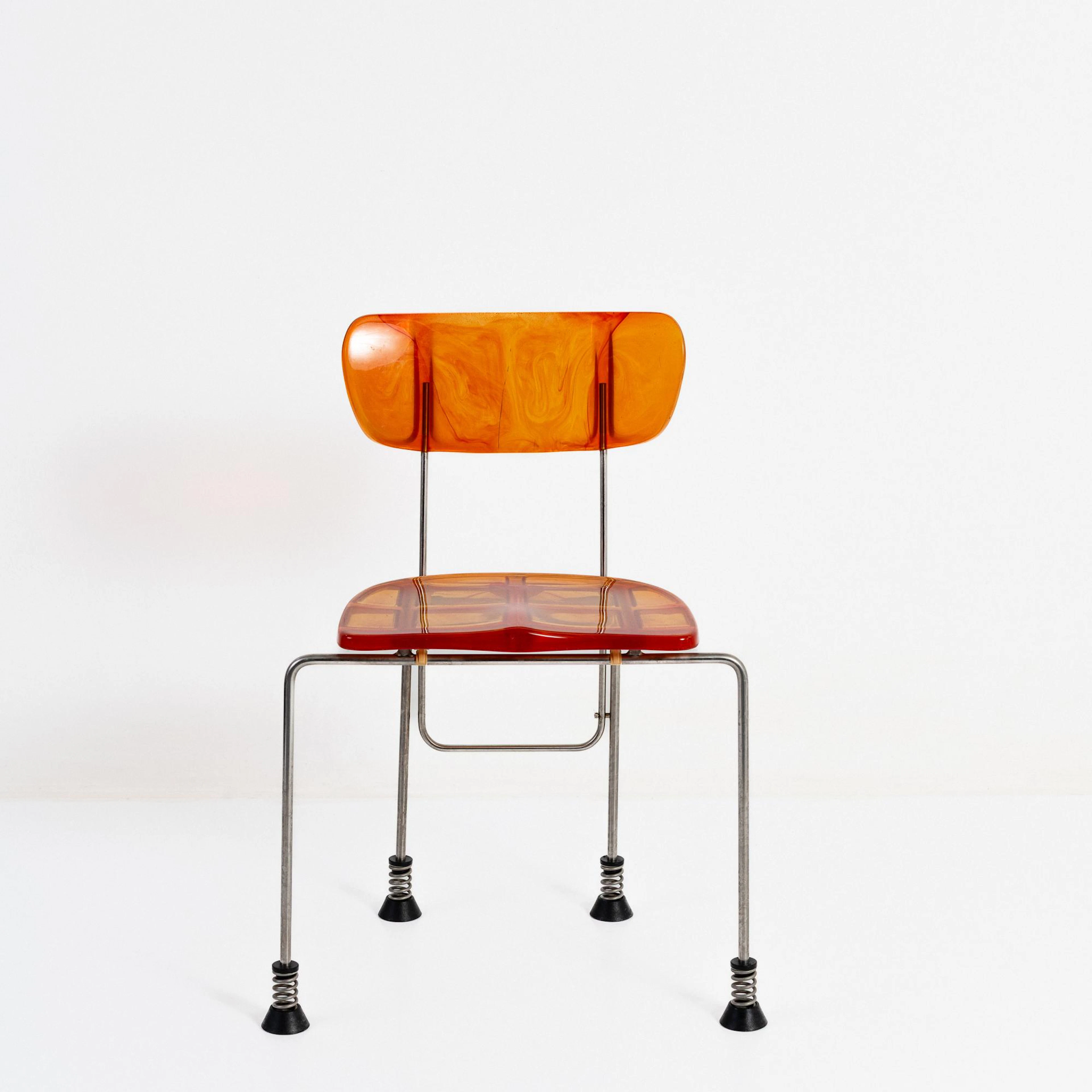
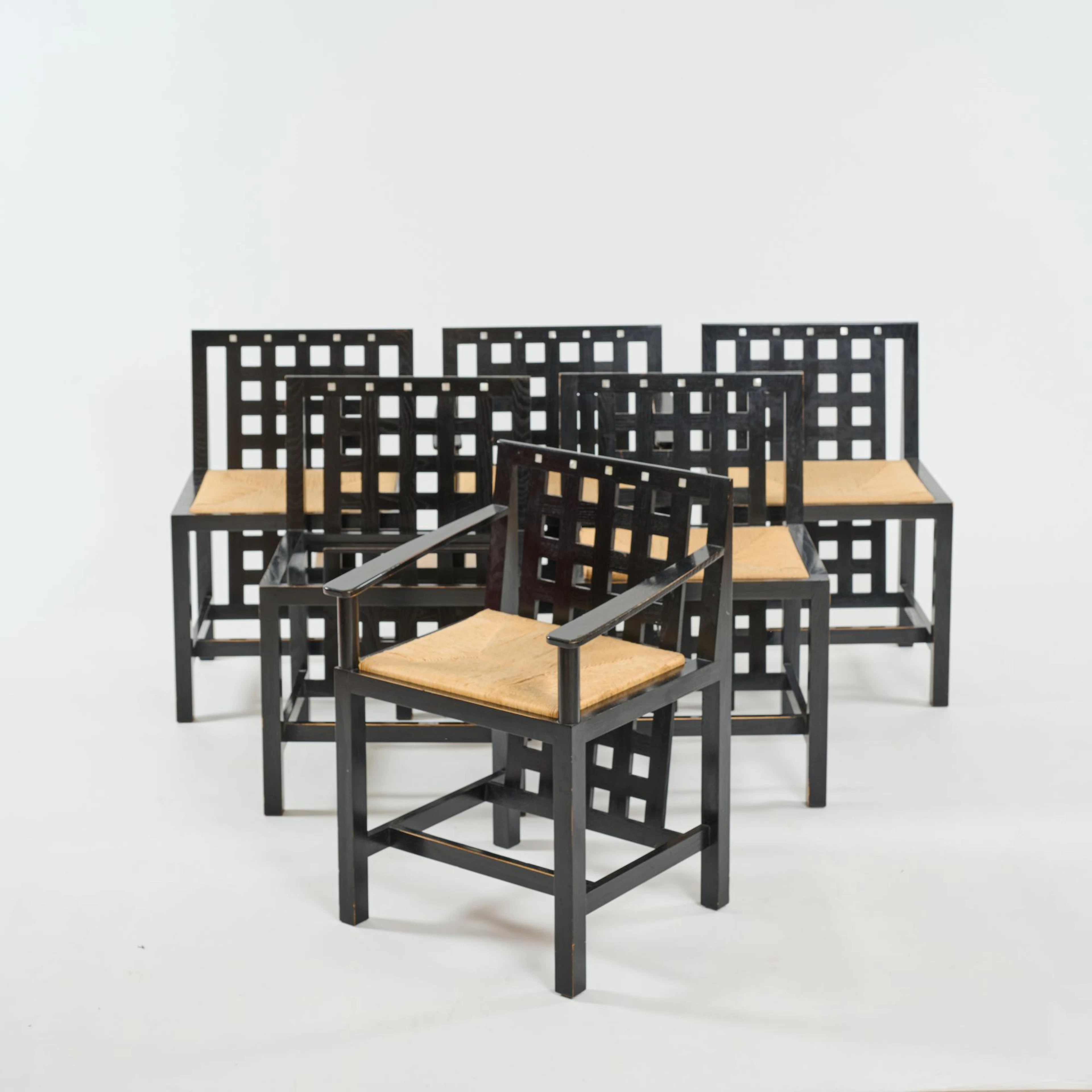
Charles Rennie Mackintosh Vier Stühle und zwei Armlehnstühle 'Candida
10/13/2026

€2,200
Est. : €2,200
OCT 23 | 8:00 AM


OCT 27 | 4:00 PM


Présentez votre vente aux enchères à des collectionneurs du monde entier !
Soyez référencé dès maintenantEn vous abonnant, vous acceptez la politique de confidentialité. Désabonnez-vous à tout moment.
Barnebys HQ
Brahegatan 10
BOX 5038
114 37 Stockholm
