




Toutes les enchères / Livres, Cartographie & Manuscrits / [Early Incunable] Florentinus / Chrysostomus / Henricus...

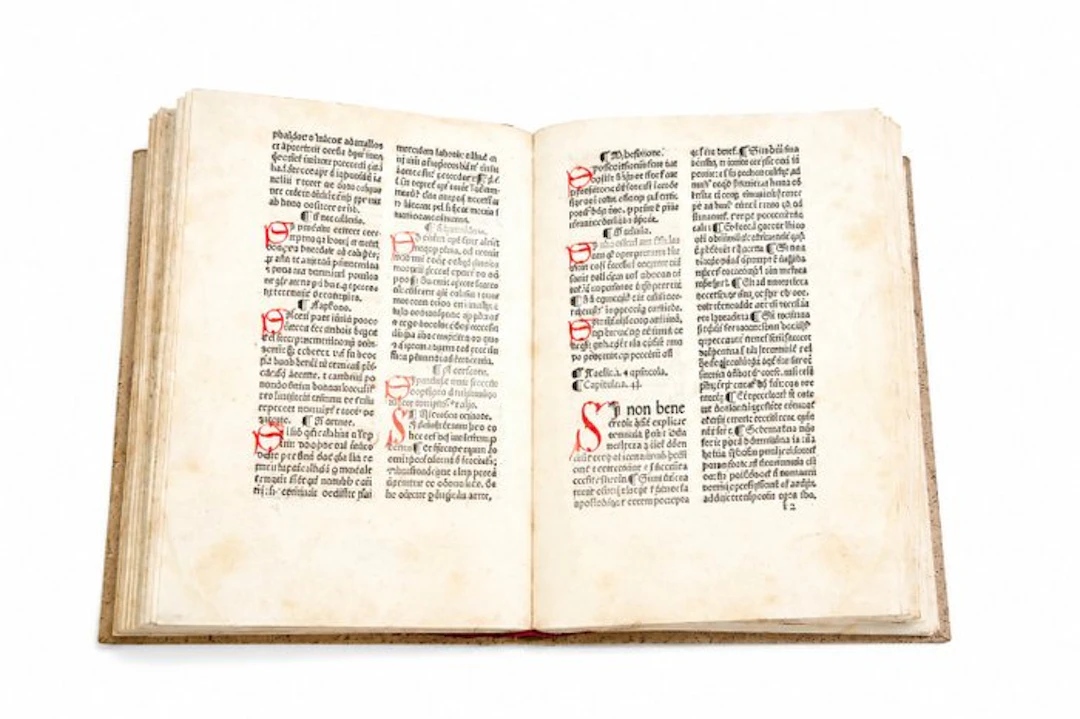
[Please note that the background setting in some images was created using AI to present the books in a pleasant environment. These background elements do not alter or affect the true representation and condition of the books] 3 EARLY INCUNABULA - ANTONINUS , CHRYSOSTOMUS E HENRICUS DE HASSIA – MEMMINGEN 1483 THE FAMOUS "DEFECERUNT SCRUTANTES SCRUTINIO" – MEMMINGEN 1483 - RUBRICATION COEVA Very rare collection of 3 incunabula entirely rubricated by a contemporary hand. Collected in Memmingen in 1483 by Albrecht Kunne, the city’s first printer, uniting THREE DISTINCT WORKS BY THREE DIFFERENT AUTHORS: the famous Confessionale: Defecerunt scrutantes scrutinio: The Confessional of Saint Antoninus possesses an interest that far exceeds the theological field: the author considers numerous social and professional categories – merchants, doctors, butchers, goldsmiths, actors, artisans and many others – examining their behaviors, responsibilities, economic activities and possible sins. The Sermo de poenitentia attributed to Johannes Chrysostomus, Saint John Chrysostom; and the Regulae ad cognoscendum differentiam inter peccatum mortale et veniale by Henricus de Hassia. Three autonomous but perfectly complementary texts, dedicated respectively to the practice of confession, penance and the fundamental distinction between mortal and venial sin. The work thus constitutes an extraordinary testimonial of daily life and European society in the 15th century. It follows the Sermo de poenitentia of John Chrysostom, dedicated to repentance and spiritual conversion, and the Regulae of Henricus de Hassia, conceived as a practical guide to distinguish the severity of sins. Particularly fascinating is the manual rubrication in red, a direct testimony of the material continuity between the medieval manuscript and the first printed book. The three works are complete. WHY TO BUY ONE SET OF THREE WORKS – THREE AUTHORS! Saint Antoninus, John Chrysostom and Henry of Hesse (Enrico di Hassia) gathered in a very rare incunabula print from 1483. RUBRICATED BY A CONTEMPORARY HAND! An extraordinary document of the transition from medieval manuscript to printed book. MEMMINGEN 1483! One of the very first productions of Albrecht Kunne, the city’s first printer. COMPLETE TEXT! All three works are fully preserved. MARKET VALUE €6,000–7,000. The assessment takes into account the early date 1483, the edition’s place in Memmingen’s early printing phase, the pioneering role of Albrecht Kunne, and especially the presence of three different works by three important authors of Christian and medieval scholastic tradition. Particularly positive are the complete preservation of all texts and the manual rubrication. The set thus presents very interesting features for incunabula collectors, the history of printing, medieval theology and social history of the 15th century. PHYSICAL / CONDITION 96 leaves. All three works are complete. Text arranged in two columns and rubricated in red by a contemporary hand. Interesting hard binding, derived from an ancient manuscript on parchment, presumably contemporary. Scuffs and normal signs of wear. Some marginal stains along the volume. Excellent copy of this very early Memmingen incunabulum. In ancient books with a multigenerational history, some imperfections may be present not always noted in the description. FULL TITLES & AUTHORS I. ANTONINUS FLORENTINUS – SANT’ANTONINO PIEROZZI (1389–1459). Confessionale: Defecerunt scrutantes scrutinio. Extensive practical manual intended for confessors. Through a wide moral taxonomy it addresses sins, professions, commerce, economic activities and daily behaviors of late medieval society. II. JOHANNES CHRYSOSTOMUS – SAN GIOVANNI CRISOSTOMO (ca. 347–407). Sermo de poenitentia. A distinct work devoted to penance, repentance, conversion and the return of man to spiritual life. III. HENRICUS DE HASSIA – ENRICO DI HASSIA (1325–1397). Regulae ad cognoscendum differentiam inter peccatum mortale et veniale. An autonomous treatise devoted to the criteria necessary to recognize and distinguish mortal sin from venial sin, a fundamental issue in moral theology and in the medieval practice of confession. Memmingen: Albrecht Kunne, 1483. BIOGRAPHY OF THE AUTHORS Antoninus Florentinus, known as Saint Antoninus Pierozzi (1389–1459), was a Dominican, theologian and archbishop of Florence, one of the most authoritative religious figures of 15th-century Italy. Becoming Archbishop of Florence in 1446, he held the post until his death. His theological and moral production was vast, but his Summa theologica and Confessionale achieved particular prominence. A notably modern feature of his writings is the attention to concrete life: commerce, credit, property, professions, economic relations and responsibilities are analyzed with precision that makes his works valuable also for social and economic history of the 15th century. Johannes Chrysostomus, San Giovanni Crisostomo (ca. 347–407), was one of the greatest Fathers of the Church and one of the most renowned preachers of early Christian antiquity. Archbishop of Constantinople, he became famous for the extraordinary effectiveness of his preaching; Chrysostom, “golden mouth,” refers to the fame of his eloquence. His sermons spread widely during the Middle Ages and continued to be read and printed during the Renaissance. Henricus de Hassia (1325–1397) was a theologian, philosopher and man of German culture, a protagonist of the great late medieval scholastic tradition. Active in the university circles of Paris and Vienna, he addressed questions of natural philosophy, theology and morality. The Regulae included in this volume belong to the practical and systematic tradition that sought to provide precise criteria for evaluating the gravity of human actions. RARITY VERY RARE. The 1483 edition belongs to the very first phase of printing in Memmingen and to the early production of Albrecht Kunne, the city’s first printer. The presence of THREE DISTINCT WORKS BY THREE DIFFERENT AUTHORS, dedicated to three complementary aspects of medieval moral culture: confession, penance and classification of sin, greatly increases the volume’s interest. Copies of these early 15th-century impressions are today mostly kept in institutional collections and rarely appear on the antiquarian market. The complete preservation of all three works and the evocative manual rubrication make this copy especially desirable. HISTORICAL IMPORTANCE The volume offers, through THREE AUTHORS and THREE DISTINCT WORKS, an exceptionally detailed vision of the religious mindset and medieval society. Saint Antoninus represents the concrete dimension of confession and daily life; John Chrysostom embodies the spiritual aspect of penance and conversion; Henricus de Hassia represents the systematic distinction between mortal and venial sin. The Confessionale also holds extraordinary historical interest because the confessor had to deal with men belonging to a wide range of professions. Merchants, doctors, butchers, goldsmiths, actors, artisans and numerous other categories emerge from the pages through the specific issues of their work: profit, fraud, commercial relations, responsibility to clients, fair exchanges and individual behavior. In terms of typography, the volume belongs to the very beginnings of printing in Memmingen. The hand rubrication clearly shows the transitional moment between two eras: the press was already producing text in quantity, while rubrics, marks and insertions continued to be produced by hand, inheriting methods from manuscript culture. The volume thus simultaneously documents religious, social, economic and technological history of 15th-century Europe. BIBLIOGRAPHY Gesamtkatalog der Wiegendrucke, GW 2097. Incunabula Short Title Catalogue, ISTC ia00811000. Goff, A-811. Hain-Copinger, 1190. British Museum Catalogue of Books Printed in the XVth Century, II, p. 602. Bayerische Staatsbibliothek, BSB-Ink A-572. Antoninus Florentinus, Confessionale: Defecerunt scrutantes scrutinio. Johannes Chrysostomus, Sermo de poenitentia. Henricus de Hassia / Henricus de Langenstein, Regulae ad cognoscendum differentiam inter peccatum mortale et veniale.
Estimation:€4,500
Vers la vente aux enchèresVoir tous les objets deCatawikiouLivres, Cartographie & Manuscrits
Estimation:
€4,500
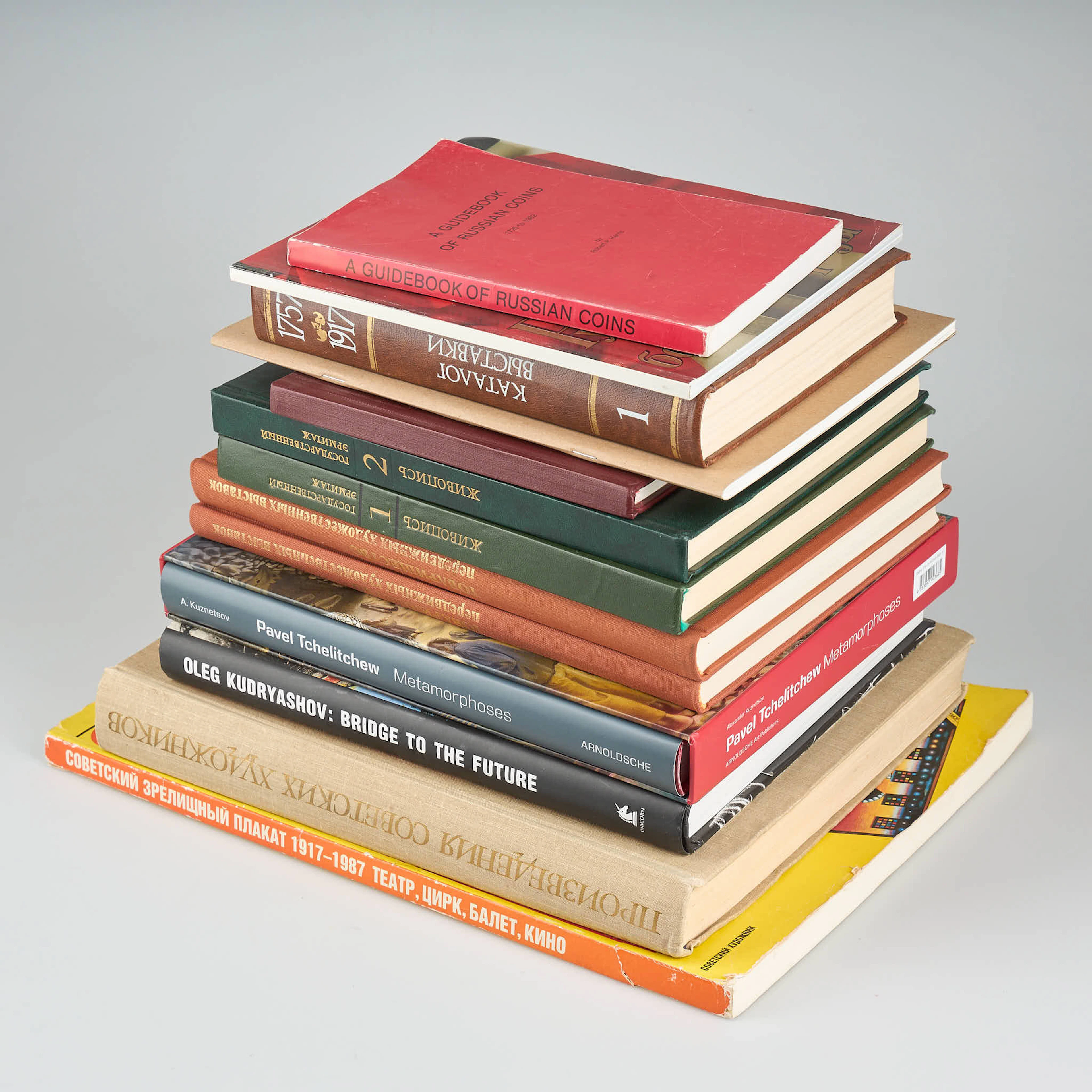
BÖCKER, 13 st, rysk/sovjetisk facklitteratur.
10/21/2026
€30
Est. : €150
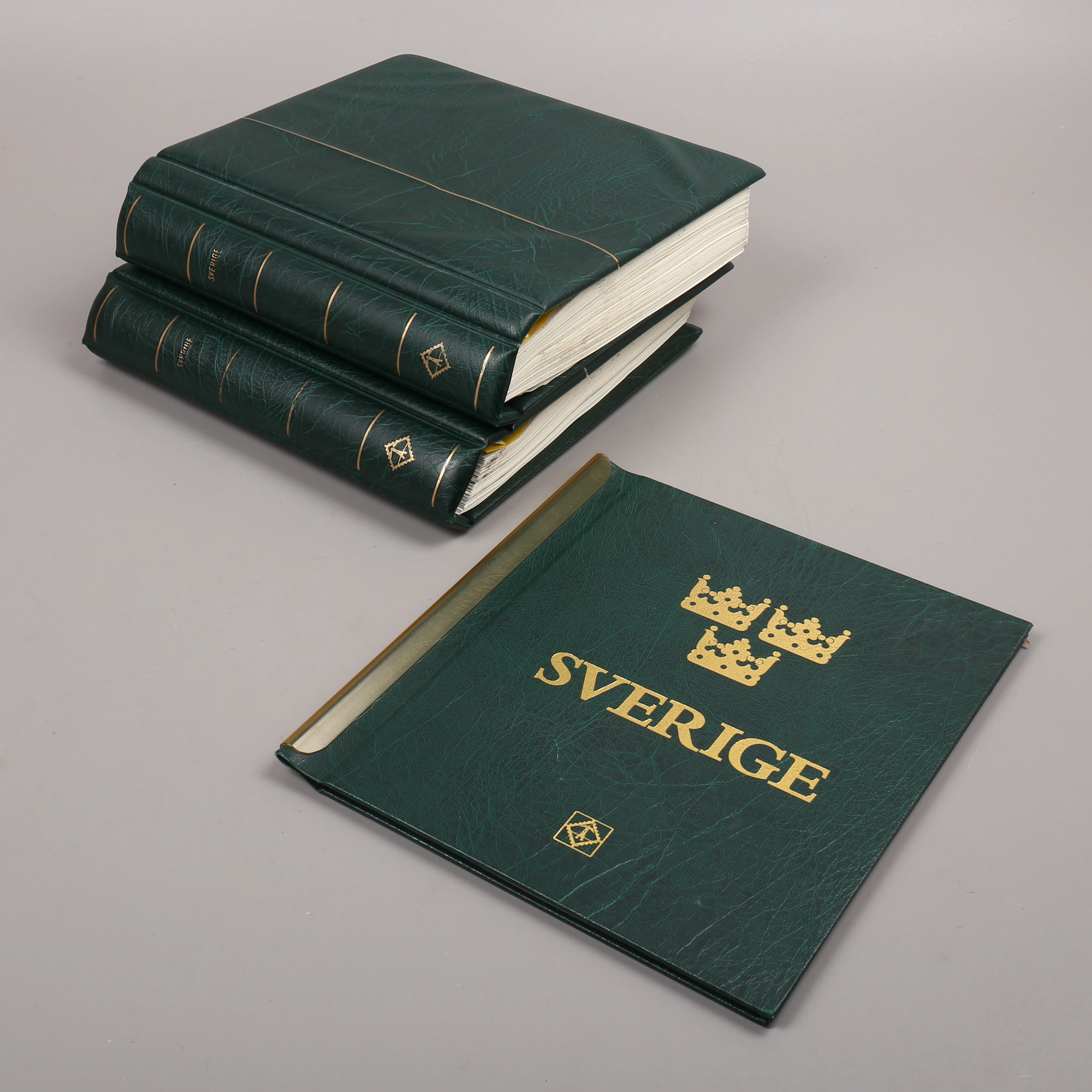
FRIMÄRKSSAMLING, 3 st album, Sverige, 1976-2010.
10/21/2026
€91.29
Est. : €89.88
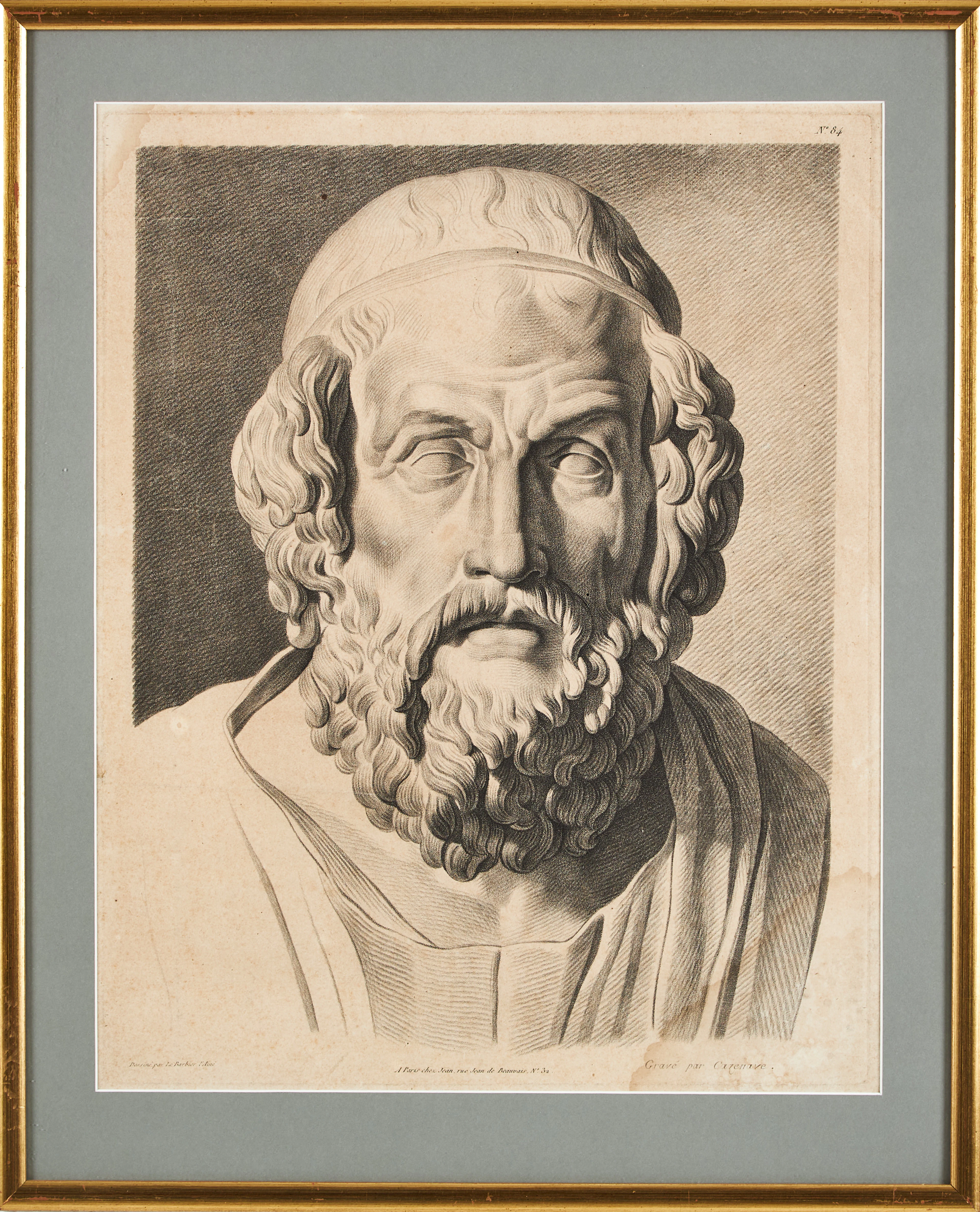
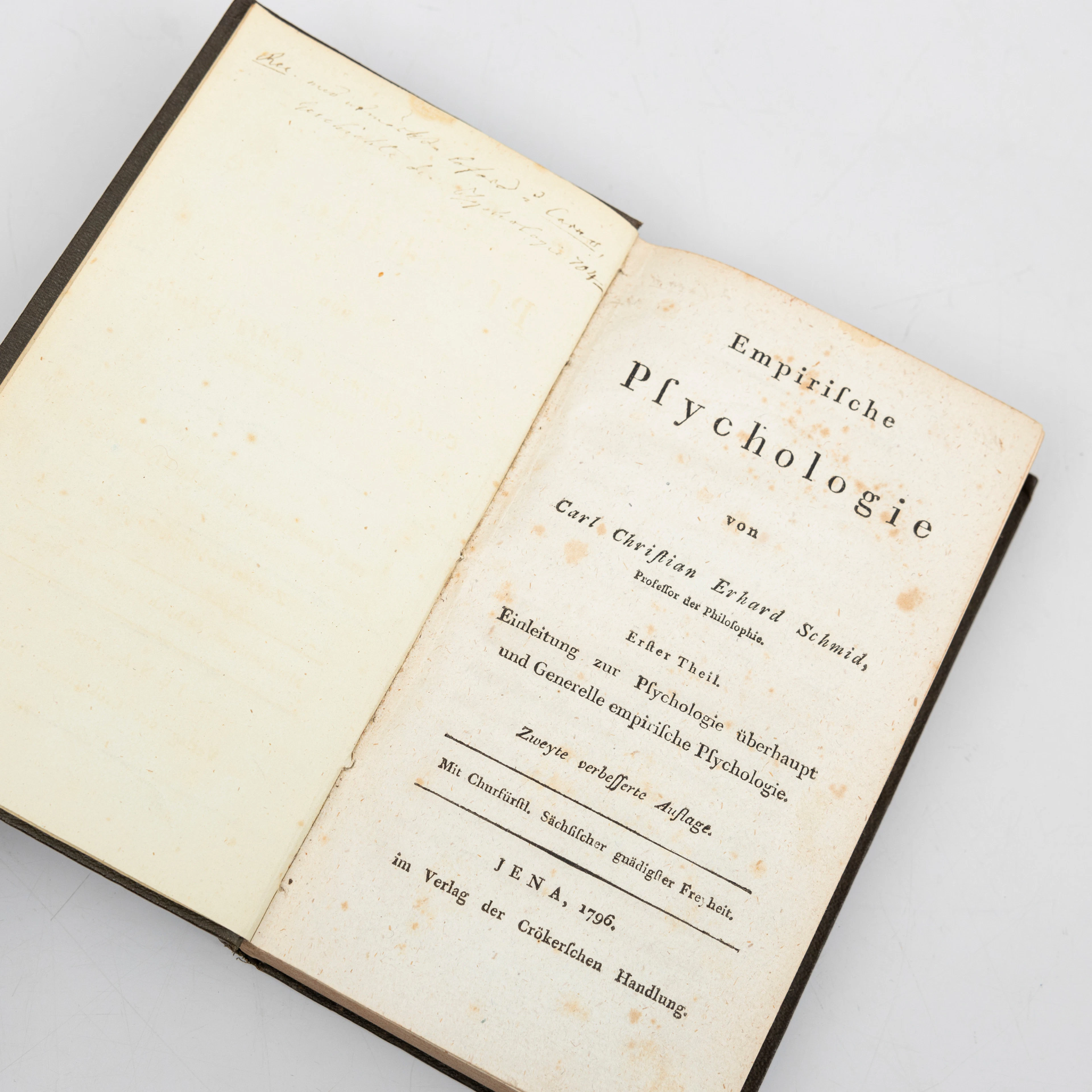
CARL CHRISTIAN ERHARD SCHMID. "Empirische Psychologie“, Erfter Theil
10/21/2026
€44.97
Est. : €134.37




OCT 27 | 4:00 PM
Présentez votre vente aux enchères à des collectionneurs du monde entier !
Soyez référencé dès maintenantEn vous abonnant, vous acceptez la politique de confidentialité. Désabonnez-vous à tout moment.
Barnebys HQ
Brahegatan 10
BOX 5038
114 37 Stockholm
