




Toutes les enchères / Céramique / Burnished ceramic bilbil for aromatic substances. Cypriot culture

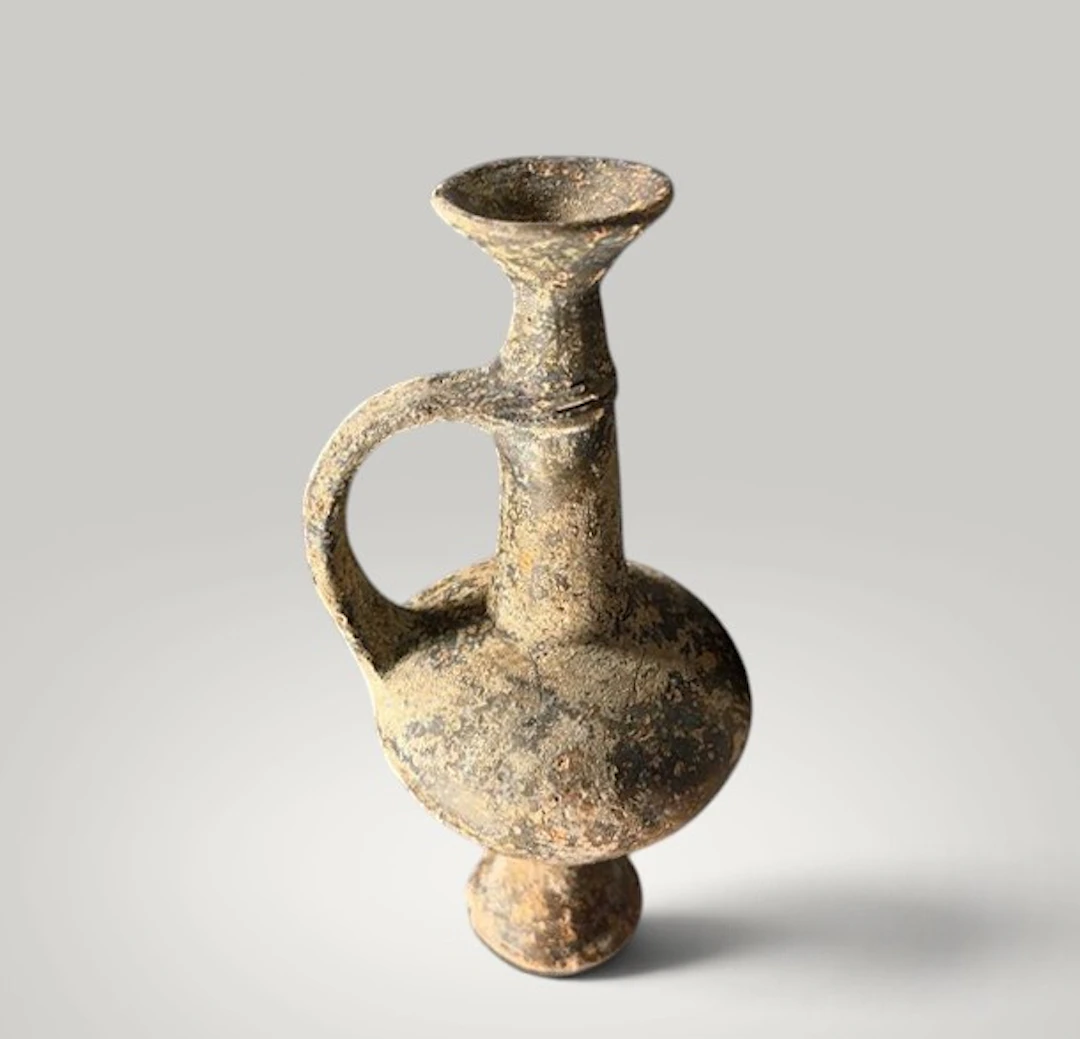
Descriptio Modeled and fired ceramic with a dark burnished surface. Dimensions: 15 cm high x 8 cm in diameter. This interesting and characteristic ceramic vessel belongs to the pottery tradition of Cyprus during the Late Bronze Age. Known as a bilbil, it is one of the most representative types of ceramic production in the eastern Mediterranean during the second millennium BC. The piece features an elegant, stylized, pear-shaped body with a marked transition to a narrow, elongated neck that culminates in a slightly everted rim, designed to facilitate the controlled pouring of small quantities of liquid. The surface treatment is particularly noteworthy, carefully burnished to achieve a deep, dark tone with subtle metallic reflections that add visual richness and demonstrate the technical mastery achieved by Cypriot potters. This type of vessel is related to the production known as Base Ring Ware, widely distributed in Cyprus and exported to numerous sites in the Levant, Egypt, and other regions of the Near East. Its distinctive shape has traditionally been associated with the storage and transport of aromatic substances, oils, ointments, and other valuable preparations. One of the most well-known interpretations links the shape of these vessels to the capsules of the opium poppy (Papaver somniferum), the plant from which opium is obtained, leading to the suggestion of their possible use for containing and trading preparations derived from this substance. This association is one of the most prominent hypotheses regarding the function of bilbil vessels, although these containers could also have been used for other liquid or aromatic products. During the Late Bronze Age, Cyprus played a fundamental role in the trade networks of the eastern Mediterranean, especially due to its copper wealth and the quality of its artisanal production. The presence of Cypriot pottery at numerous sites in the Holy Land reflects the intensity of economic and cultural exchange between the island’s communities and the Canaanite populations. Bilbil pottery is documented in both domestic and funerary contexts, highlighting its functional, commercial, and possibly symbolic value. This particular example stands out for the elegance of its proportions, the quality of its burnished finish, and the excellent preservation of its original structure. The surface exhibits slight irregularities and wear consistent with its age, while maintaining its characteristic dark tone and attractive metallic sheen. Origin: Holy Land. Lot in international warehouse (outside the EU). For shipments to the European Union, import duties and/or taxes will be applicable and are the responsibility of the buyer.
Estimation:€1,500
Vers la vente aux enchèresVoir tous les objets deTemplum Fine Art AuctionsouCéramique
Estimation:
€1,500
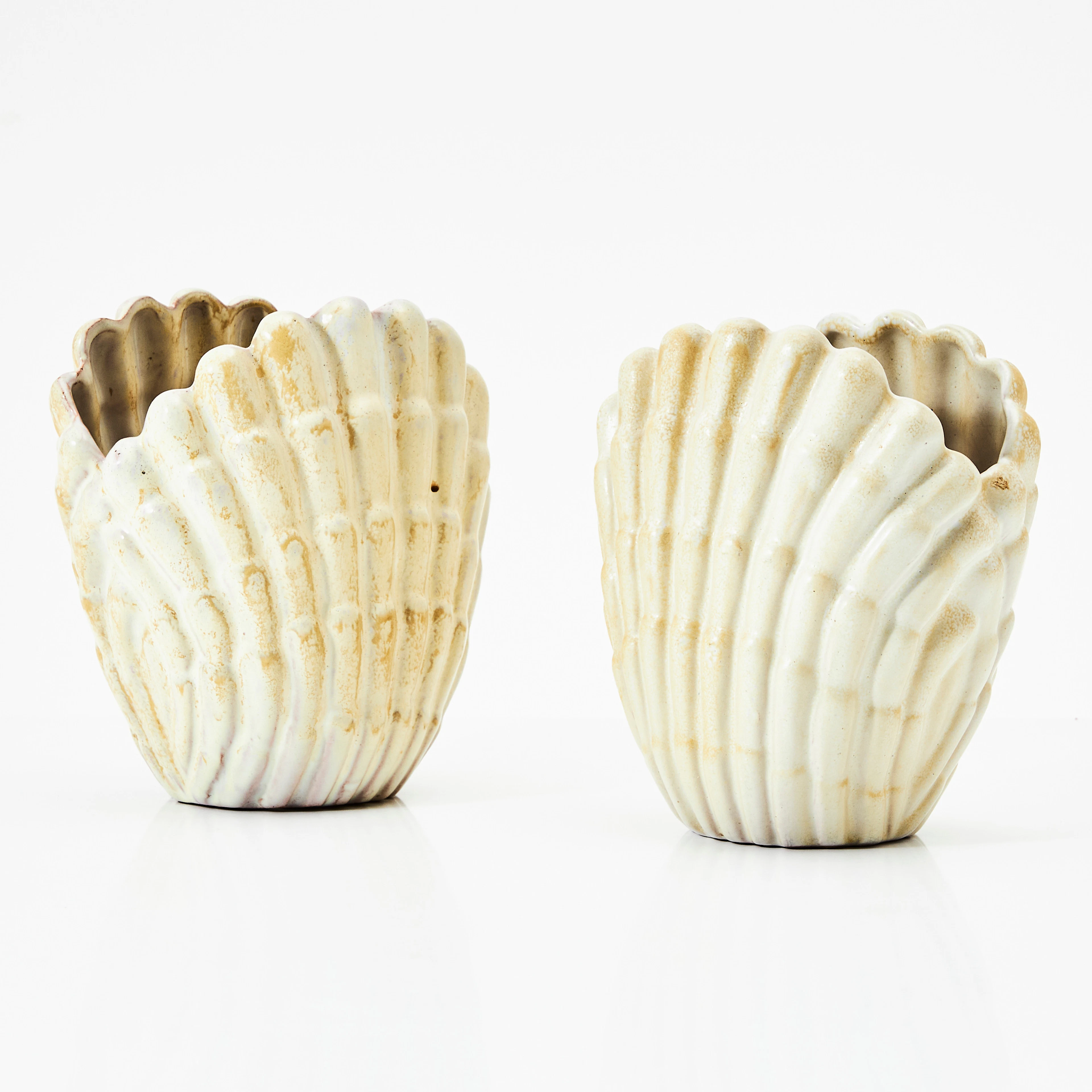
VICKE LINDSTRAND. Vaser, 2 st, "snäcka", lergods, Uppsala Ekeby.
10/19/2026
€58.42
Est. : €134.66
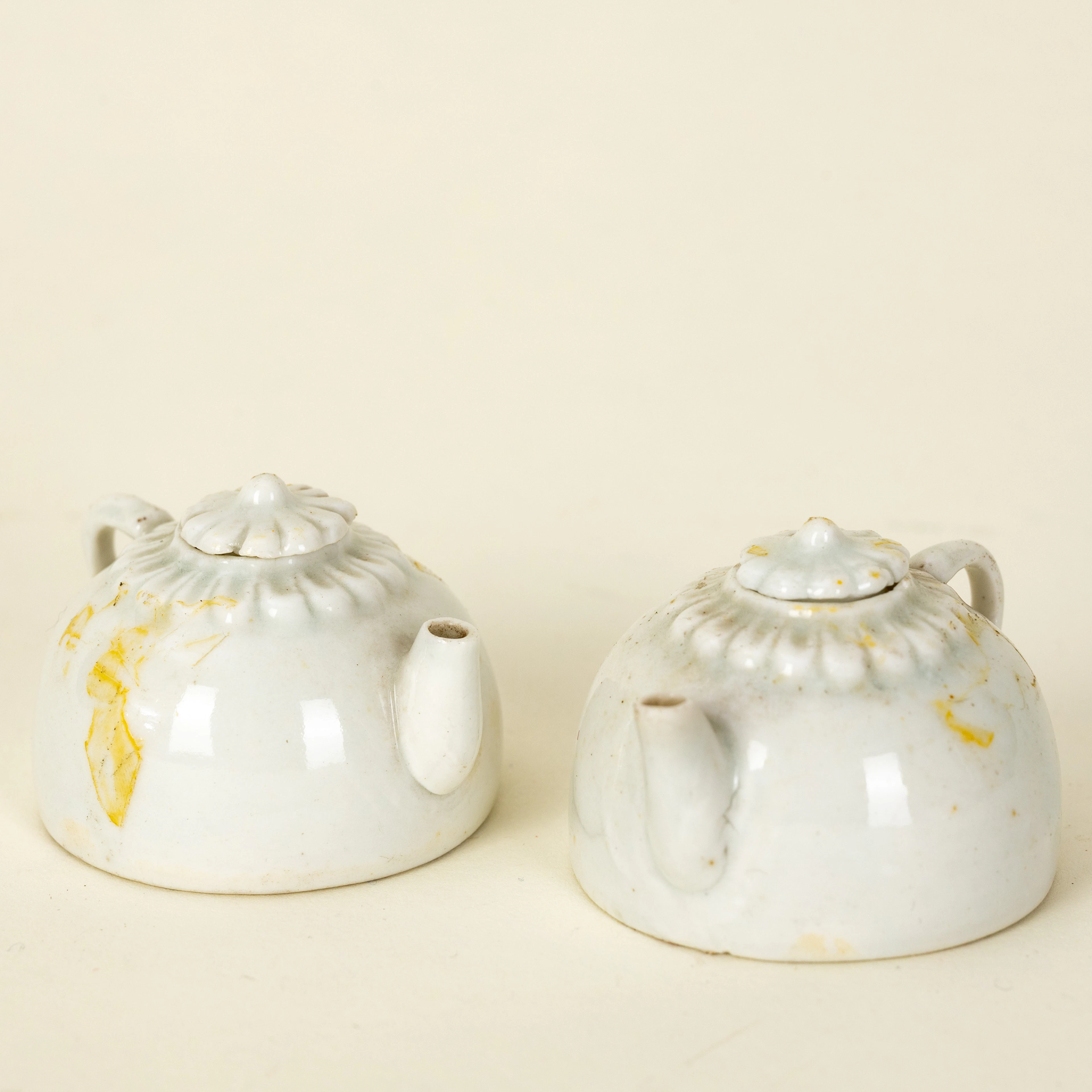
Zwei Wassertropfer mit Chrysanthemen-Dekor, China, Yuan / Ming-Dynastie.
10/19/2026
€69
Est. : €100
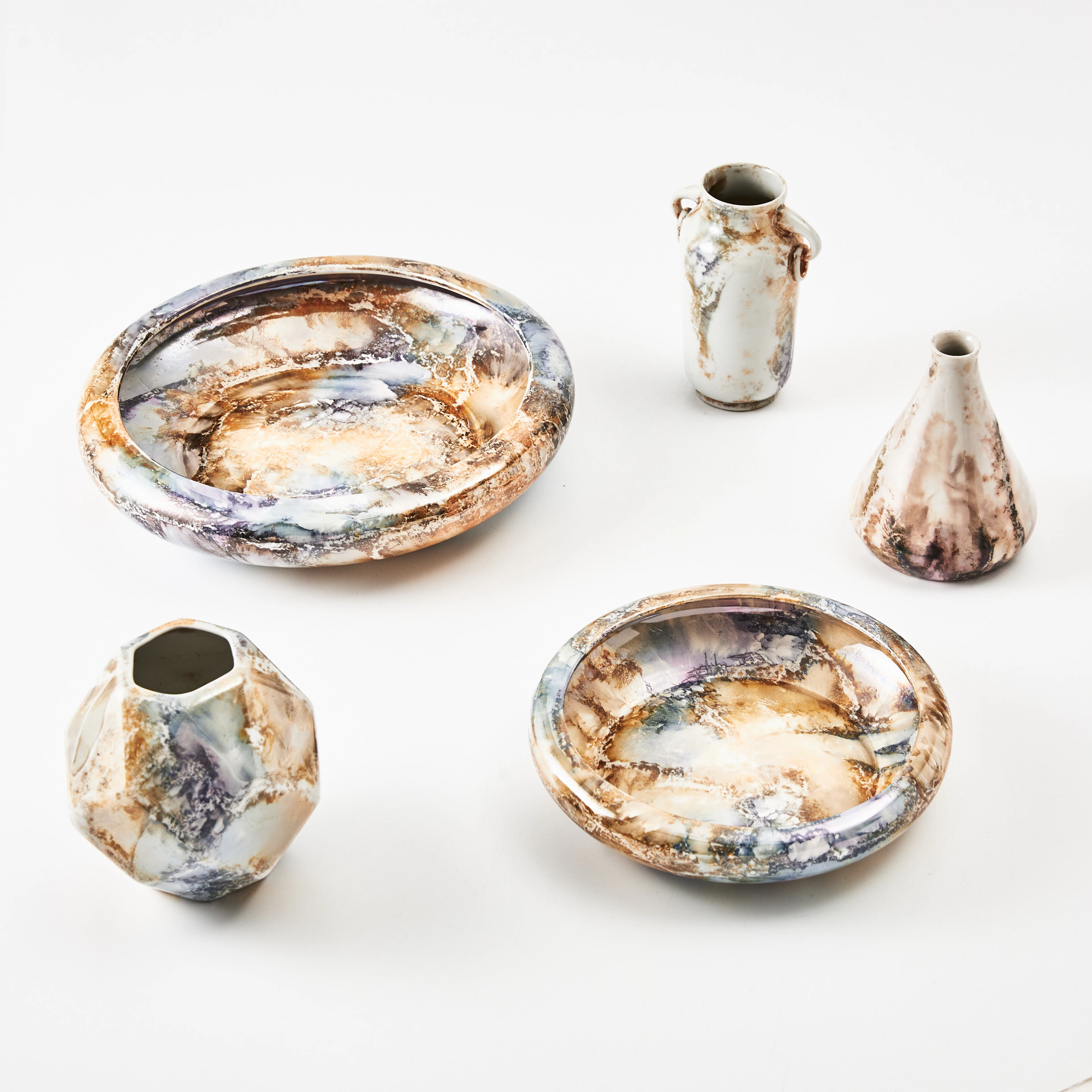
ARABIA (etabl. 1873), "Loistomarmori", 5 dlr., 1900-talets början
10/19/2026
€71.9
Est. : €179.55
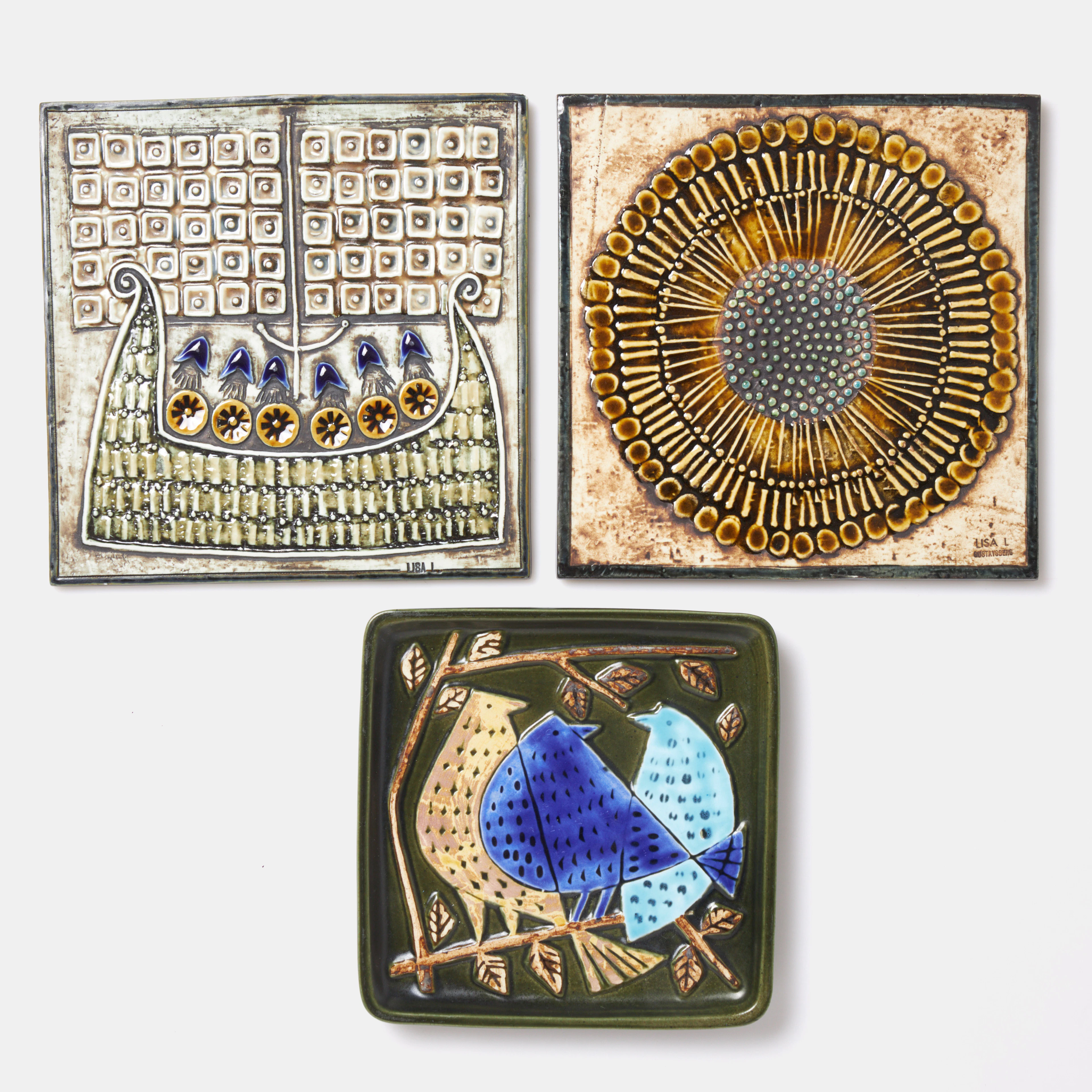
LISA LARSON. 3 st, plakett, Gustavsberg, delvis märkta Lisa L.
10/19/2026
€179.85
Est. : €179.71




OCT 23 | 8:00 AM
Présentez votre vente aux enchères à des collectionneurs du monde entier !
Soyez référencé dès maintenantEn vous abonnant, vous acceptez la politique de confidentialité. Désabonnez-vous à tout moment.
Barnebys HQ
Brahegatan 10
BOX 5038
114 37 Stockholm
