

OCT 8 | 3:00 PM

Présentez votre vente aux enchères à des collectionneurs du monde entier !
Soyez référencé dès maintenantEn vous abonnant, vous acceptez la politique de confidentialité. Désabonnez-vous à tout moment.
Barnebys HQ
Brahegatan 10
BOX 5038
114 37 Stockholm
Toutes les enchères / Bijouterie & Joaillerie / Antique Double-Strand Necklace Made of "Corallo Sciacca", Italy, c. 1900

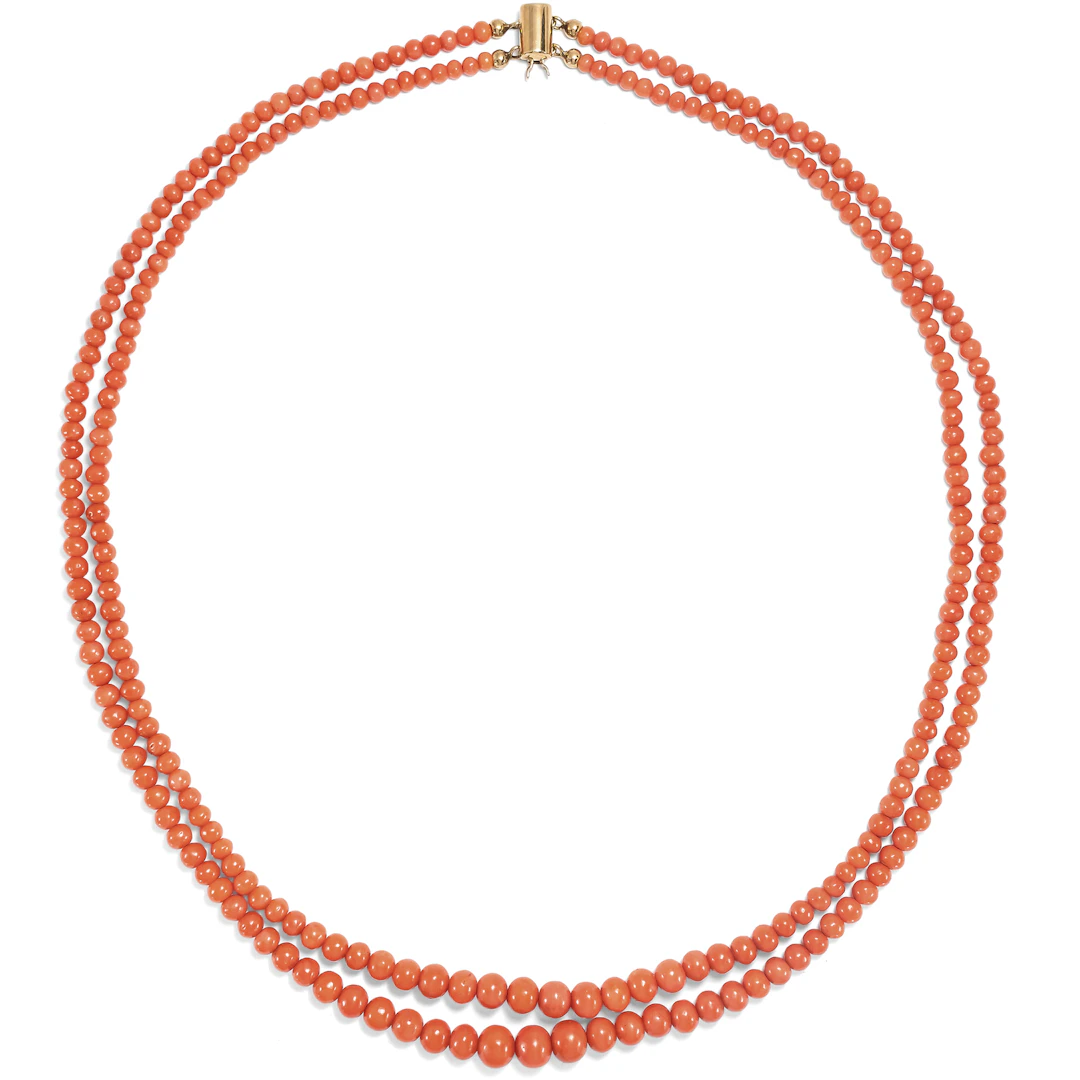
Corals from the Mediterranean come in various shades of color. Depending on the region, water depth, and growing conditions, these marine organisms develop specific color variations, such as the deep-red Sardinian corals harvested around the island of Sardinia. Sicily is home to a particularly distinctive coral color, and the history of these marine treasures is truly fascinating. In July 1831, an undersea volcano erupted off the coast of Sciacca, a town on Sicily’s southern coast. Fishermen observed the explosions and were astonished to discover that the volcano had formed a new island. As soon as the eruptions ended, a fierce dispute broke out over which country the new island should belong to. The Kingdom of the Two Sicilies regarded it as a natural part of its territory and named it Ferninandea after its king, Ferdinand II. But Great Britain also laid claim to the new land, strategically located along important shipping routes, and named it Graham Island. The French fleet likewise laid claim to the island, which it called Julia, and Spain also asserted its rights. Nature ultimately settled the dispute: By 1832, the waves had eroded the island to such an extent that it sank into the sea and survived only as a shoal. But what does this story have to do with corals? Repeated undersea volcanic eruptions and numerous earthquakes had caused large quantities of coral to die off, forming one of the richest deposits in the entire Mediterranean. These subfossil corals had taken on a salmon-colored hue from being submerged in water, making them unmistakable. This treasure of the sea was discovered in 1875. Bettu Ammareddu, captain of a trawler, was fishing near the shoal that had once been the island. According to legend, his necklace—a gift from his beloved—fell into the water. When he dived to retrieve it, he discovered that the seabed was completely covered with coral. Coral mining began soon after, but just as quickly—as early as 1915—the deposits were completely depleted. In this necklace, we see particularly beautiful corals arranged in two rows. These are beads c. 1900 with the characteristic salmon hue that makes “Corallo Sciacca” so coveted. The strands are graduated in thickness, meaning they become thicker toward the center. The necklace, which we had restrung, is held together by a refurbished gold clasp. A magnificent piece of jewellery with a story all its own! Illustration: Eruption of Ferdinandea Island by Camillo de Vito (1831), private collection.
Estimation:€790
Vers la vente aux enchèresVoir tous les objets deHofer AntikschmuckouBijouterie & Joaillerie
Estimation:
€790
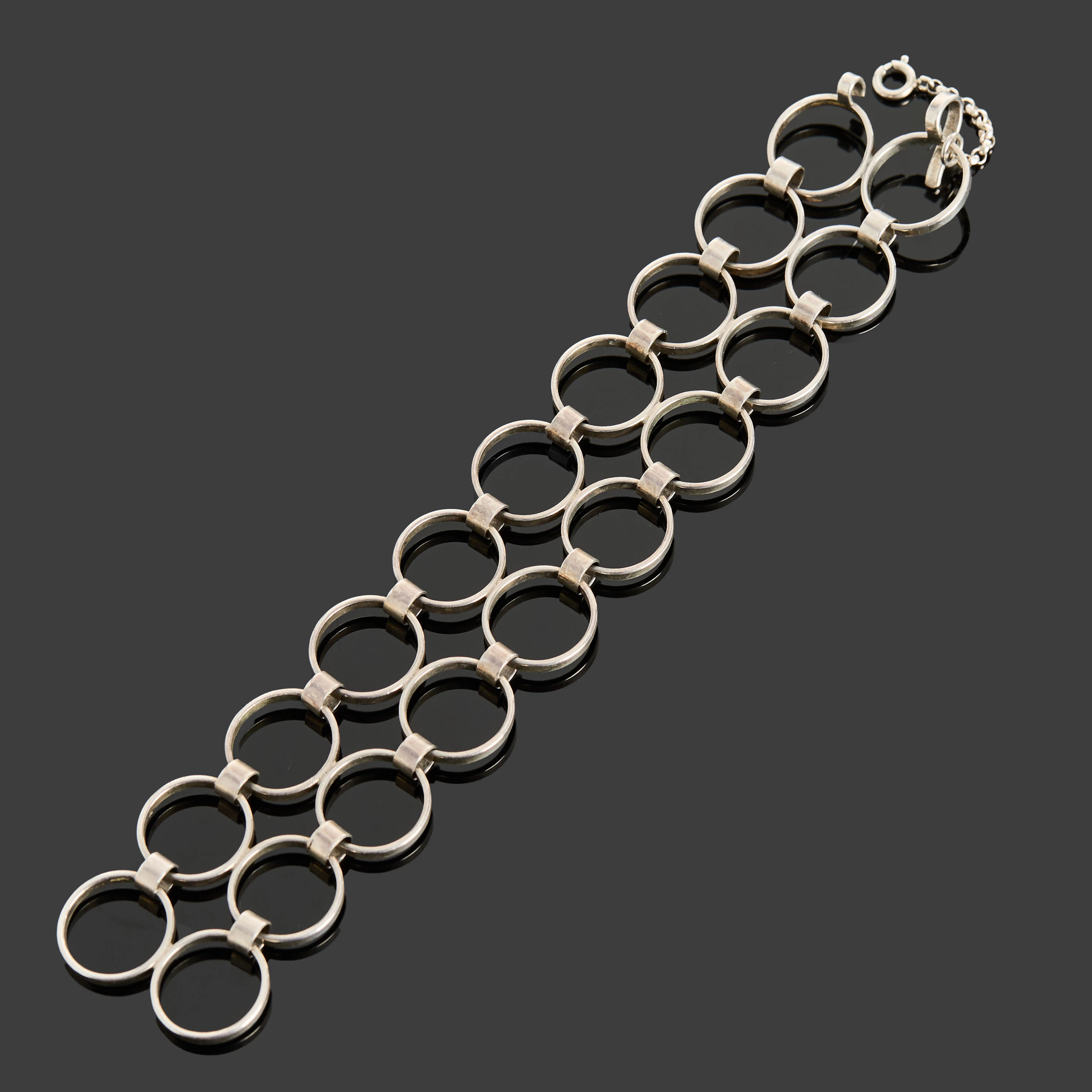
KAIJA AARIKKA (FINLAND, 1929-2014). Armband, silver, Finland, 1900-talets
10/06/2026
€99.55
Est. : €88.8
OCT 8 | 3:00 PM


Présentez votre vente aux enchères à des collectionneurs du monde entier !
Soyez référencé dès maintenant
€2,000
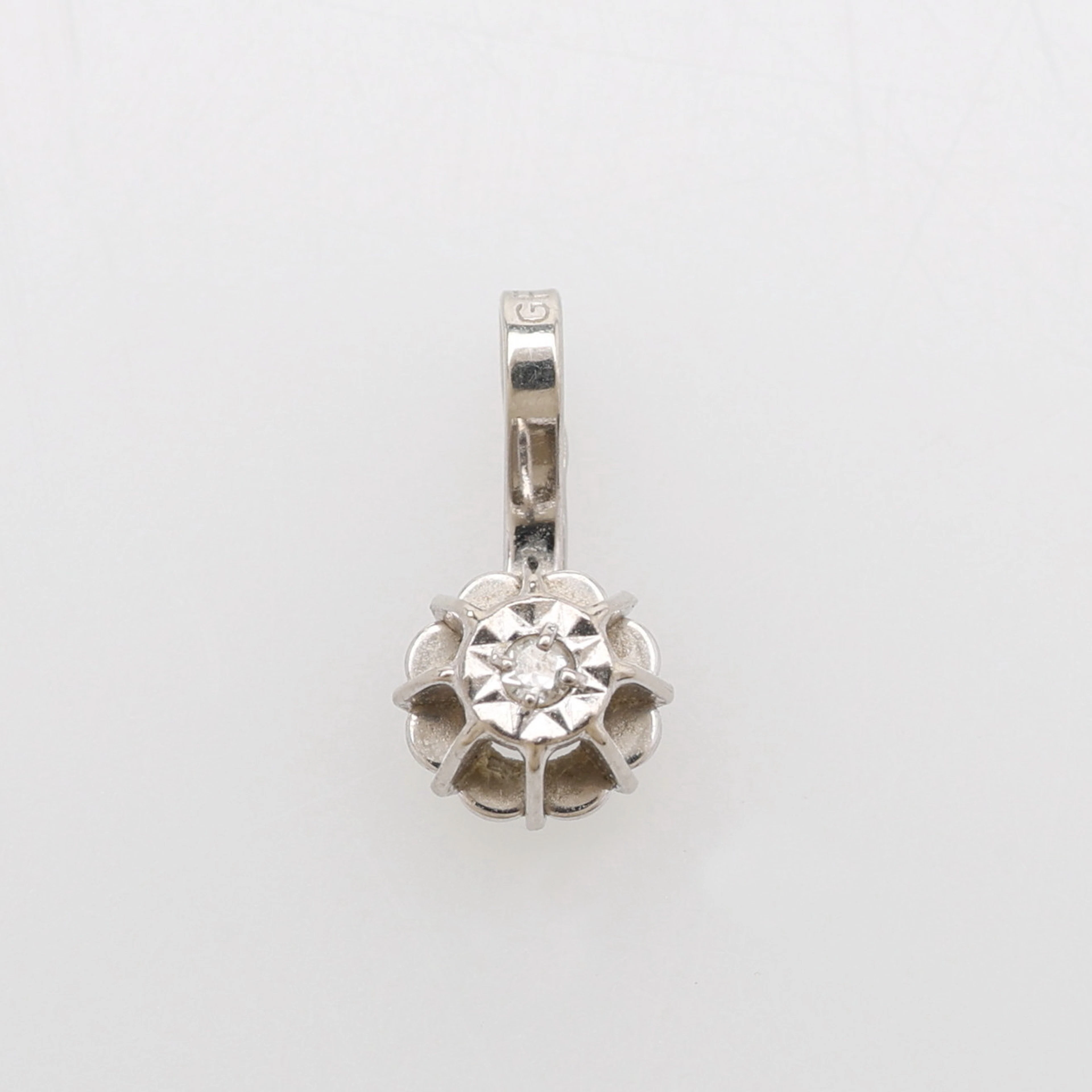
HÄNGE, 18K VITGULD & LITEN VIT STEN, TOTALT CIRKA 0,4 GRAM.
10/06/2026
€26.78
Est. : €53.28
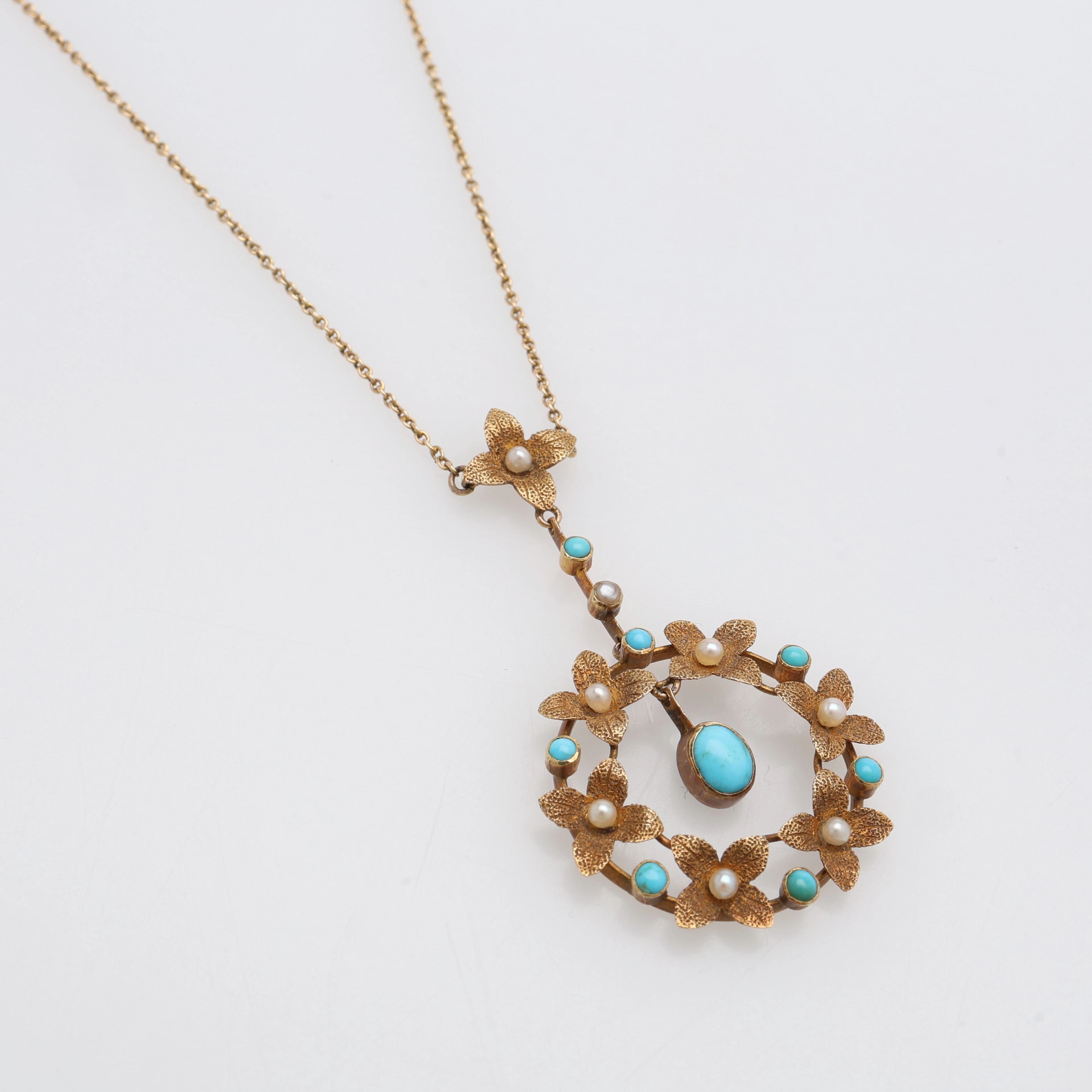
HALSKEDJA MED HÄNGE, 15K GULD, HALVPÄRLOR & TURKOSER, 1900-TALETS
10/06/2026
€312.5
Est. : €355.22
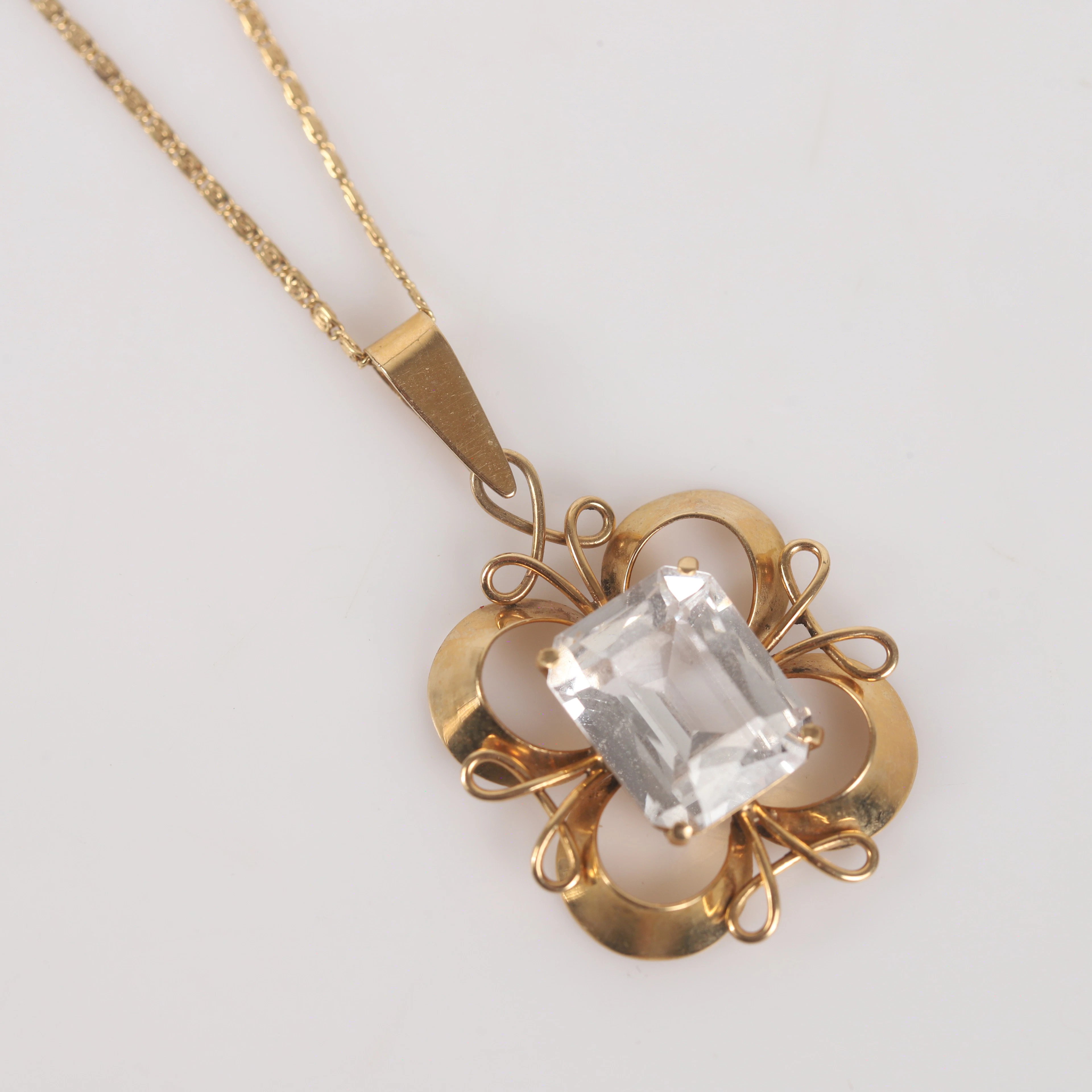
HÄNGE MED KEDJA, 18 K guld med korsslipad sten, Guldvaruhuset, Stockholm, 1955.
10/06/2026

€358.04
Est. : €355.22