



Toutes les enchères / Livres, Cartographie & Manuscrits / Anon (vermoedelijk - De koopman of bijdragen ten opbouw...

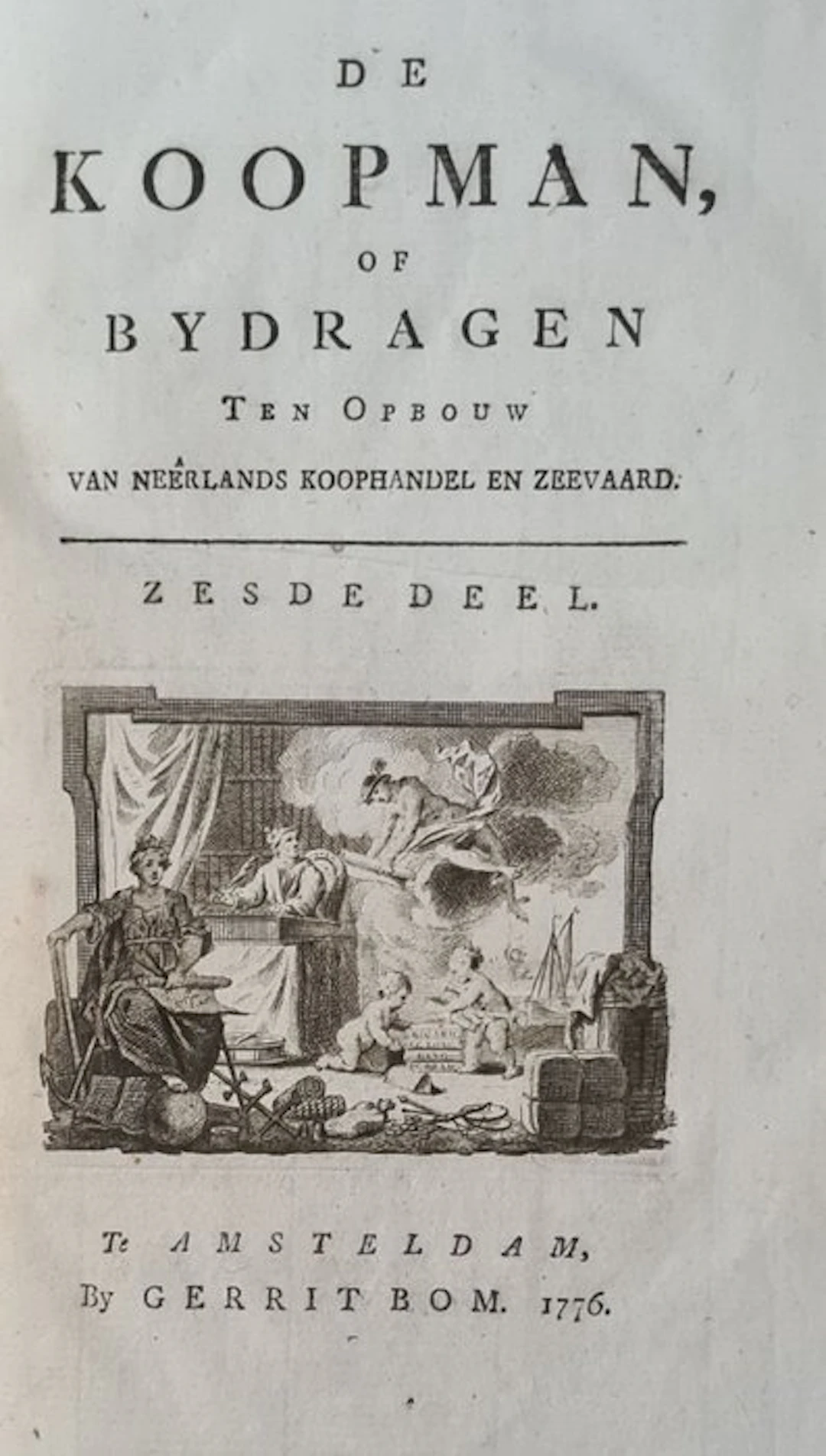
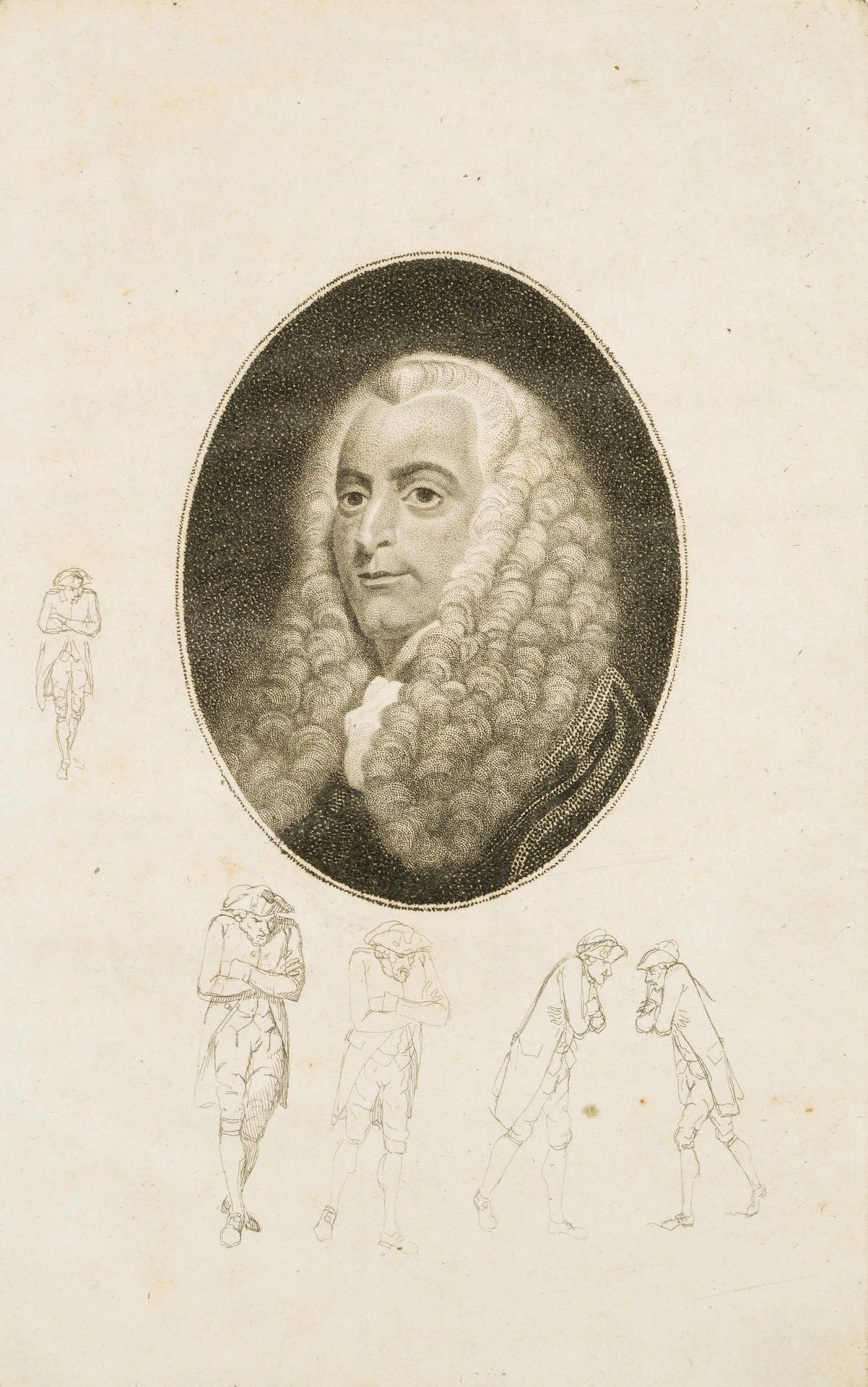
The trader or contributions to the development of Dutch trade and seafaring - Amsterdam, Gerrit Blom, 1776 - Part 6 - (VI) (10) 480 pp - half-leather binding Good. Scrape and impact spots. Yellowing within margins of flyleaves front, stamp on second flyleaf. Interior reasonably fresh, only a few spots, only minor foxing. Pages uncut Economic-patriotic (spectatorial) magazine that aims to modernize and save the declining Dutch economy in the late eighteenth century. The book compiles sixty treatises focusing on the fight against commercial deception, speculation, and bankruptcy fraud, stimulating a domestic textile industry (to replace expensive foreign fashion), and solving rising poverty by putting beggars to work in subsidized factories (with the city of Deventer as an extensive example). Additionally, the volume contains a current and extensive dossier on dike restoration and corruption in dike administrations in response to the devastating flood of November 1775, combined with political-economic advice from the famous patriot Johan Derk van der Capellen tot den Pol to meet competition with England. Finally, the book pays specific attention to maritime trade through critical analyses of the East India trade (the colonies) and the Eastward trade (trade with the Baltic), criticizing unfair foreign competition, rising freight costs, and the importance of a strong domestic merchant fleet. Outline of the 60 treatises: • No. 1: Comparison between Trade, Shipping, Merchant, and Seaman (in verse). Argues that trade should be treated as a serious study and tells a history of lost commercial ventures through greed. • No. 2: Sketch of the decline of trade in small towns and the indifference of their citizens, with a specific example from Friesland. • No. 3: How wealth accumulates in wholesale and how great trading houses arise. Contains a letter from Strasbourg about the deceit of Dutch commissioners abroad. • No. 4: What is needed to be a shrewd (schranze) merchant. A comparison with ancient views on trade and the dogmas of this century. • No. 5: Lessons for young merchants to secure their own luck in both direct and indirect trade, with a warning against overconfidence. • No. 6: Continuation and conclusion of the lessons for young merchants, in which “foolish laxness” is set against true commercial art. • No. 7: Argument about the great ignorance in trade and its ruinous consequences (complacency, laziness, and squandering money). Contains a lament by the Sisters Well-behaved. • No. 8: Continuation of complaints about ignorance. Short remarks on the main matters in trade and the difference between a speculator (Negotiant), manufacturer, and transporter (Trafyquant). • No. 9: The history of SchrokHart SchraapNar, or the double-punished miser. An anecdote from the 'Realm of the Dead' about the grim deathbed of a greedy usurer. • No. 10: Letters on ‘Machiavellianism’ (political cynicism and deceit) in trade, misuse of credits (Turkish Easter), and secret stratagems at shipping companies. • No. 11: Letter about fraud by fraudulent shipwreckers, evasion of entry duties, and the rise of modern stock speculation. • No. 12: Continued warnings against fraud. A painting of the new, clumsy trading deceivers who damage the Dutch reputation abroad. • No. 13: Conclusion of the treatise on deceit. A description of abuses within partnerships, false administrations (forgeries), and the brazen way in which failures are provoked. • No. 14: An argument under the name Jodocus Hollandus on the necessity of honesty and good faith in trade during these economically hard times. • No. 15: A technical treatise on the functioning of bills of exchange and bill trading, including discounting (advancing) of money and an explanation of the risky “Wind bill.” • No. 16: First letter on trade in dubious foreign securities (such as the Spanish Lottery negotiation) and speculations around canal digging in Murcia. • No. 17 & 18: Continuation and conclusion on foreign securities trading, in which these speculative projects are harshly criticized as folly and a lack of patriotism. • No. 19: Consequences of the devastating flood and dike breaches of November 1775, with a plea for a new inland canal to save trade. • No. 20 & 21: Continuation on the flood. Concrete plans for dike restoration and a sharp condemnation of corruption and abuse within dike administrations. • No. 22: An emotional appeal to pastors and citizens of the Netherlands to raise money for the distressed victims of the flood in the provinces. • No. 23: Decision of the dossier on the Spanish Lottery and the risks of foreign investments. • No. 24: Conclusion and postscript on a letter presenting a new, fuel-saving device (an early steam or heat engine) for factories. • No. 25: The use and dangerous abuse of receipts (quittas) and cashier notes as an alternative means of payment in towns. • No. 26: Political-economic reflection on dangers threatening the state, with an inserted recommendation from the famous patriot jonkheer Johan Derk van der Capellen tot den Pol from Overijssel. • No. 27: A direct comparison between the English and Dutch nation regarding their trading spirit, virtues, and faults. • No. 28: Montesquieu’s philosophical ground rules applied to Dutch wind trade, speculation plans, and the Assurance Society. • No. 29: On naval danger and the specific methods and calculations of insurers (Assuradeurs). • No. 30: The Merchant responds to his critics and the letters he has received from dissatisfied readers (Letter Plundering). • No. 31: A critical piece on unrealistic projects, with a specific discussion of a failed financial plan for plantations in Suriname by an Amsterdam bookkeeper. • No. 32: The poor state of Dutch crafts and weaveries, with a case study on the decline of the once-prosperous Leiden linen factories. • No. 33 & 34: Remedies for the linen industry (Drapers’ Negotiation), including an official argument submitted to the States of Holland. • No. 35: A sharp critique of importing and wearing foreign clothing and fashion, which drives domestic textile factories to the brink. • No. 36: Fragment on whether trade is an art, combined with an argument for proper economic education of children. • No. 37 & 38: A moral-theological treatise on the relation between poverty, virtue, and hard work, translated from the English of Thomas Culpeper. • No. 39 & 40: Extended treatise on usury, money circulation, and interest. Includes an analysis of the then newly established French loan bank (Caisse d'Escompte) in Paris. • No. 41: Warnings against refined bill counterfeiting and how careless traders are duped with fraudulent exchange letters. • No. 42: A simulated group discussion (Collegie-Gesprek) on the usefulness of English clubs, guilds, and urban meetings for exchanging commercial knowledge. • No. 43: Critique of the superficial evening gatherings of merchants and complaints about the inaccuracy of official price currants (price lists). • No. 44: The economic advantages of ship provisioning on the river Veerse Maas and a detailed description of the then-famous shipyard in Vlissingen. • No. 45: The rise, flourishing, and decline of trade in the North Holland village Broek in Waterland, plus complaints about unfair competition in the East India trade. • No. 46: A fictional dialogue between a Dutch and an English skipper about the East India voyage, freight costs, and foreign maritime insurance. • No. 47: A historical and current sketch of the Frisian town Bolsward, focusing on the rise and fall of its local trade and markets. • No. 48 & 49: A guide on how dwindling towns and villages can be rebuilt by actively employing the poor and beggars (translated from English). • No. 50: A critical argument about why the Dutch blindly adopt foreign fashions and trends instead of supporting their own crafts. • No. 51: The financial problems of various Dutch cities due to rising costs of poor relief, and ideas to solve this. • No. 52: A specific case study of the city of Deventer, where a factory was founded with subsidies to employ the poor. • No. 53, 54 & 55: A triptych with a blueprint for the Dutch textile industry. It successively treats the wool, cotton, and silk factories and rebuts arguments why this could not succeed in the Netherlands. • No. 56: The fundamental ground rules for the successful founding and running of factories in the Netherlands, with a view to improving employment. • No. 57, 58 & 59: The grand concluding piece on the economic transition of Deventer and Overijssel. It contains eighteen concrete recommendations to turn Deventer into a successful factory town. • No. 60: A clear and concluding list (Lystje) of all active factories, workshops, and crafts in the Netherlands that use domestic raw materials.
Estimation:€9
Vers la vente aux enchèresVoir tous les objets deCatawikiouLivres, Cartographie & Manuscrits
Estimation:
€9
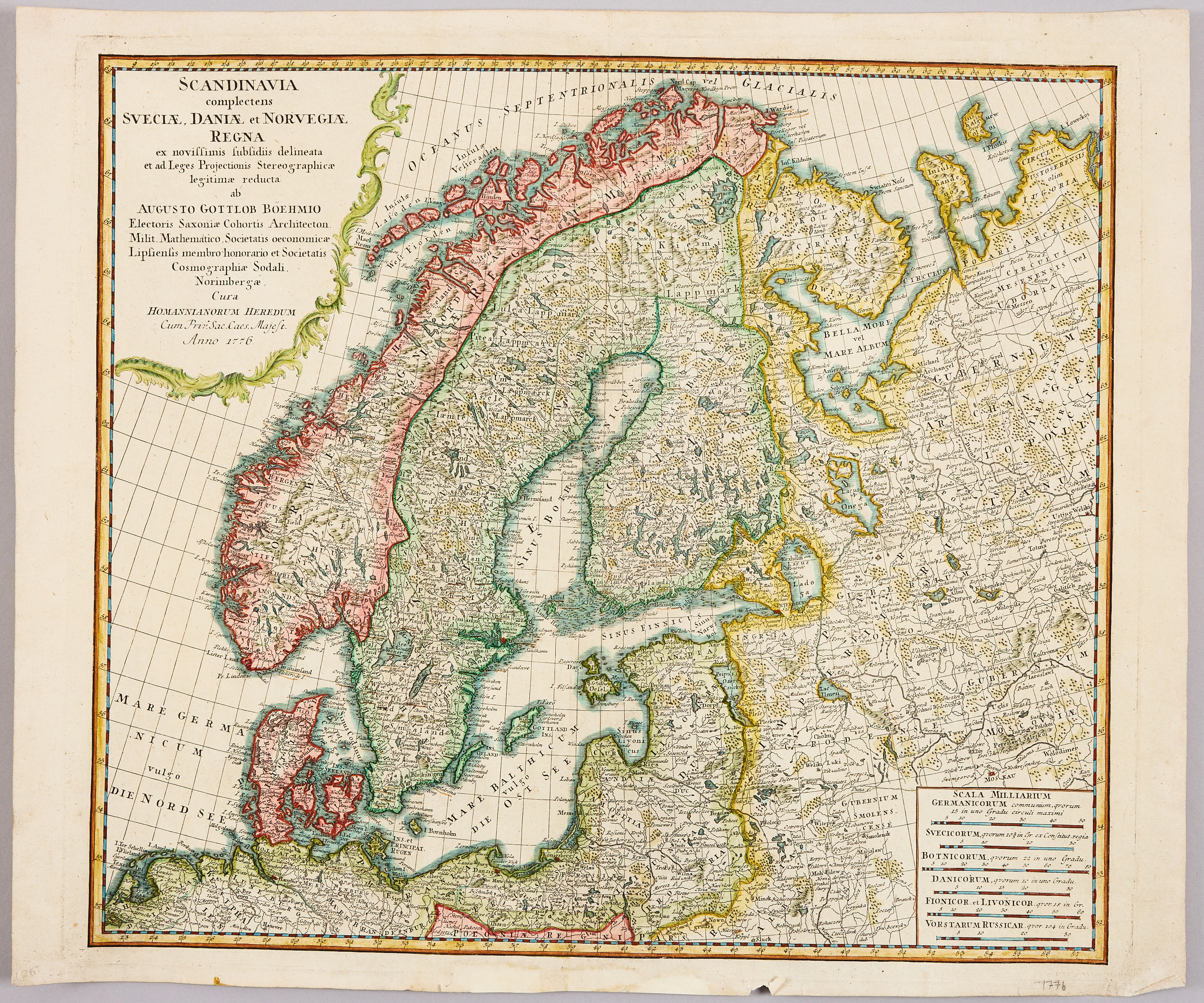
HOMANNS ARVINGAR, KARTA ÖVER SKANDINAVIEN, ca 1770.
10/09/2026
€98.27
Est. : €107.33
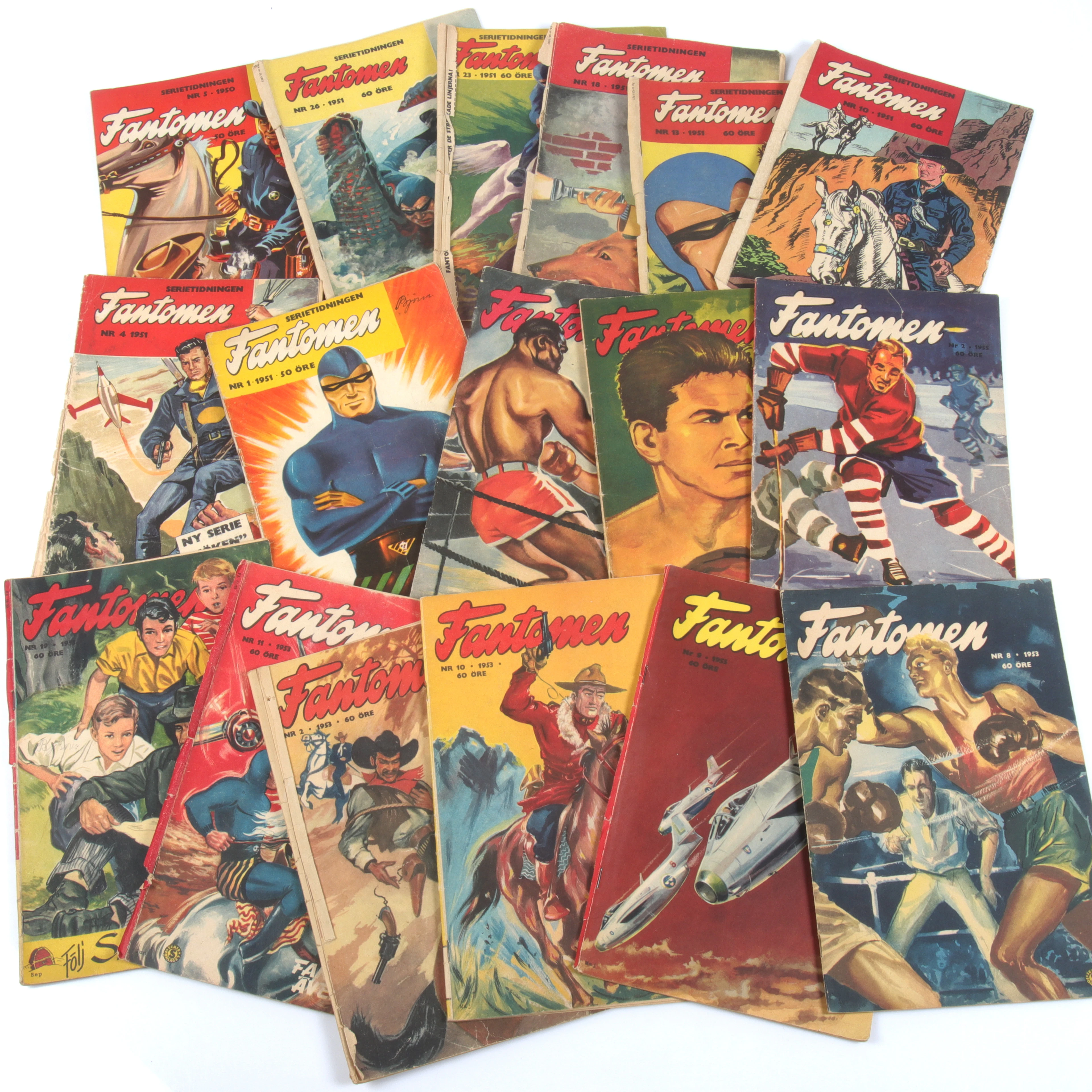
SERIETIDNINGAR, 57 st Fantomen, år 1950-56.
10/09/2026
€124.96
Est. : €71.55
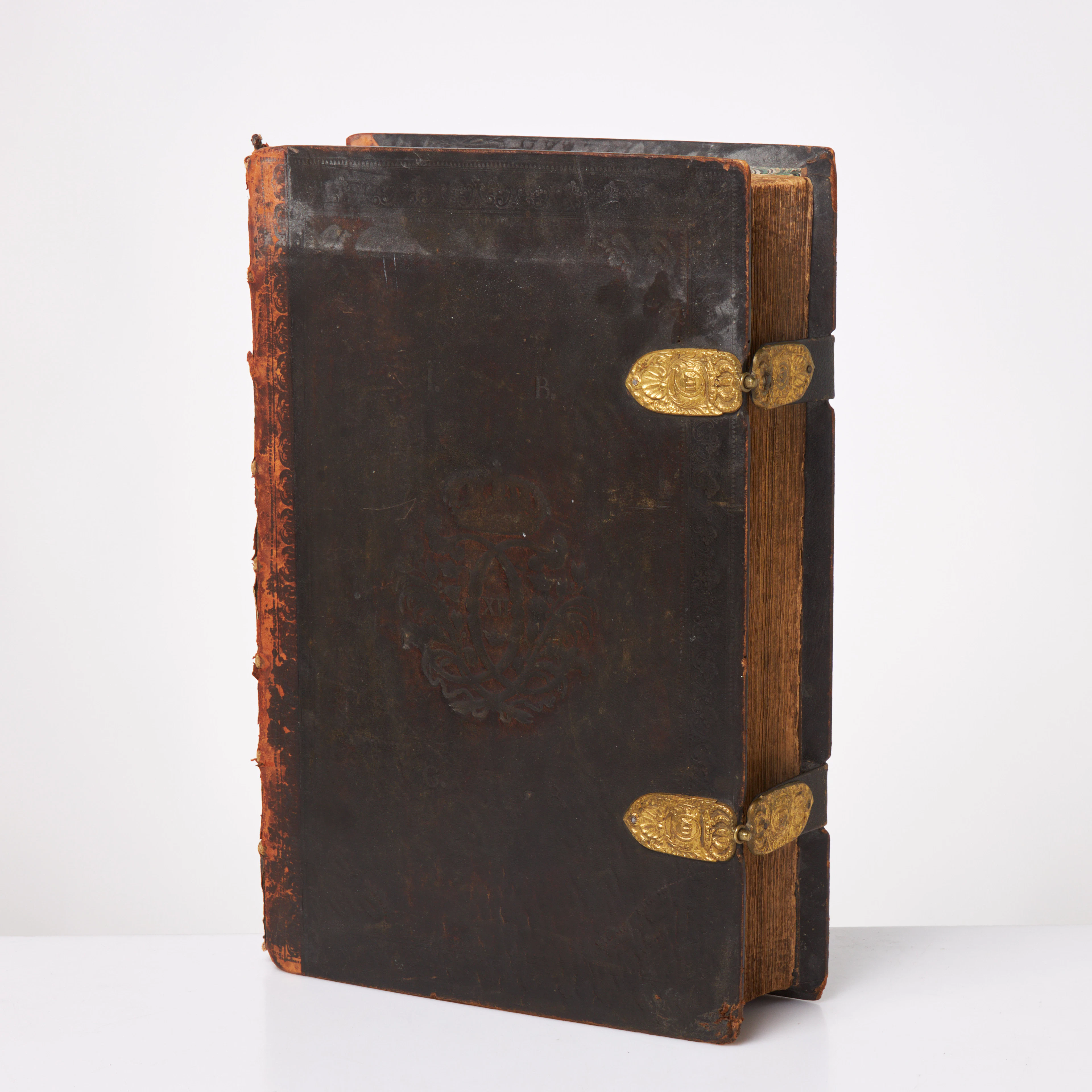
KARL XII:S BIBEL. 1703, samtida band.
10/09/2026
€580.17
Est. : €536.69
Présentez votre vente aux enchères à des collectionneurs du monde entier !
Soyez référencé dès maintenantEn vous abonnant, vous acceptez la politique de confidentialité. Désabonnez-vous à tout moment.
Barnebys HQ
Brahegatan 10
BOX 5038
114 37 Stockholm
