




Présentez votre vente aux enchères à des collectionneurs du monde entier !
Soyez référencé dès maintenantEn vous abonnant, vous acceptez la politique de confidentialité. Désabonnez-vous à tout moment.
Barnebys HQ
Brahegatan 10
BOX 5038
114 37 Stockholm
Toutes les enchères / Ethnographie / Ancient Gastropod Fossilized Shell of Kranaosphinctes...

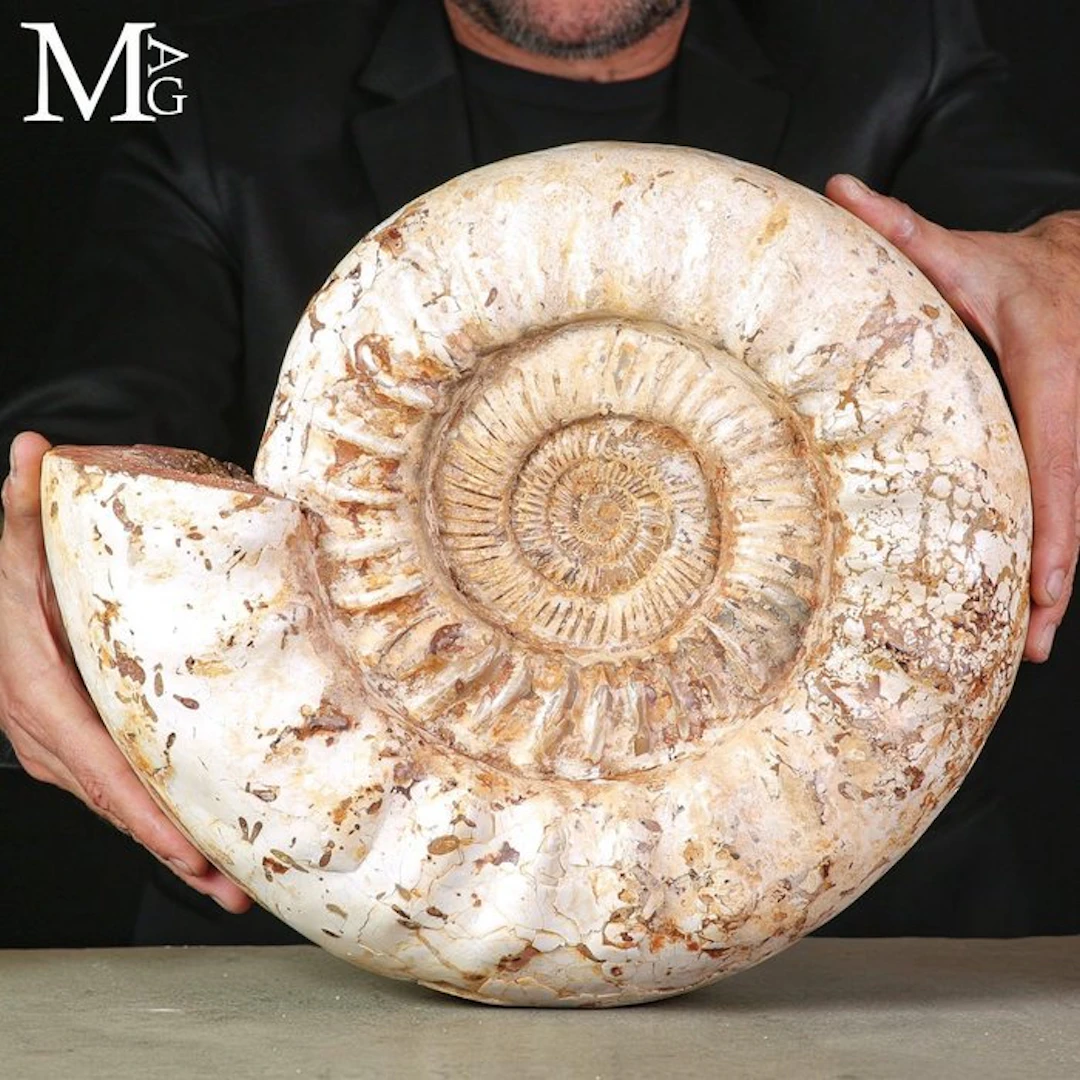
Specimen of Kranaosphinctes rabei, Late Jurassic period, Sakaraha — This imposing specimen represents a well-preserved fossil of Kranaosphinctes rabei, an ammonite belonging to the Perisphinctidae family. The primary mineralogical identification is calcite that has recrystallized or been replaced, which has preserved the complex morphology of the original shell over millions of years. The crystalline formation, though not macroscopically evident as distinct crystals, is intrinsic to fossilization by permineralization and recrystallization of the marine carbonate sediments. Visually, the ammonite displays a dominant coloration ranging from cream white to ivory, with elegant shades of warm beige and honey. Patinas and encrustations in ochre and brown-iron tones are also noticeable, enriching the surface with natural color contrast. Transparency is absent, as it is an opaque fossil, while the surrounding matrix is integrated into the shell itself, showing traces of the fossilization process in sedimentary rock. The geological provenance of this Kranaosphinctes rabei is Sakaraha, in the Atsimo-Andrefana region of southwestern Madagascar. The deposits in this area are renowned for their richness of Upper Jurassic marine fossils, particularly from the Oxfordian stage, dated approximately between 161 and 156 million years ago. This geological context indicates formation in ancient marine basins rich in organisms and sediments, where the ammonite shell was rapidly buried and subjected to diagenesis. The aesthetic quality of the piece is notable, thanks to its considerable size and well-defined morphology. The wide and deep spiral, with a distinctly visible central umbilicus, is highlighted by regular whorls and robust radial ribs that traverse the shell. These structural elements confer upon the fossil an architectural and sculptural appearance, making it a piece of great visual impact and high ornamental value. The almost complete integrity of the shell, despite exposure of a cross-section, underscores its exceptional nature. The preservation state is excellent, with most of the shell intact and only a minimal portion of the living chamber exposed laterally, potentially revealing the internal structure. No significant damage or invasive restorations are observed, attesting to the originality and authenticity of the specimen. The piece, given its weight and dimensions, lends itself to being displayed autonomously or on an appropriate support base, which will enhance its majesty and stability. From a collecting standpoint, a Kranaosphinctes rabei specimen of this size and with such a level of preservation is a valuable acquisition. It represents not only a fascinating testimony of Jurassic marine life but also an object of great natural beauty. Its rarity and its provenance from a classic locality for ammonite fossils make it particularly desirable for experienced collectors and museums, placing it among reference specimens for the species.
Estimation:€2,000
Vers la vente aux enchèresVoir tous les objets deCatawikiouEthnographie
Estimation:
€2,000
Présentez votre vente aux enchères à des collectionneurs du monde entier !
Soyez référencé dès maintenant€8.84
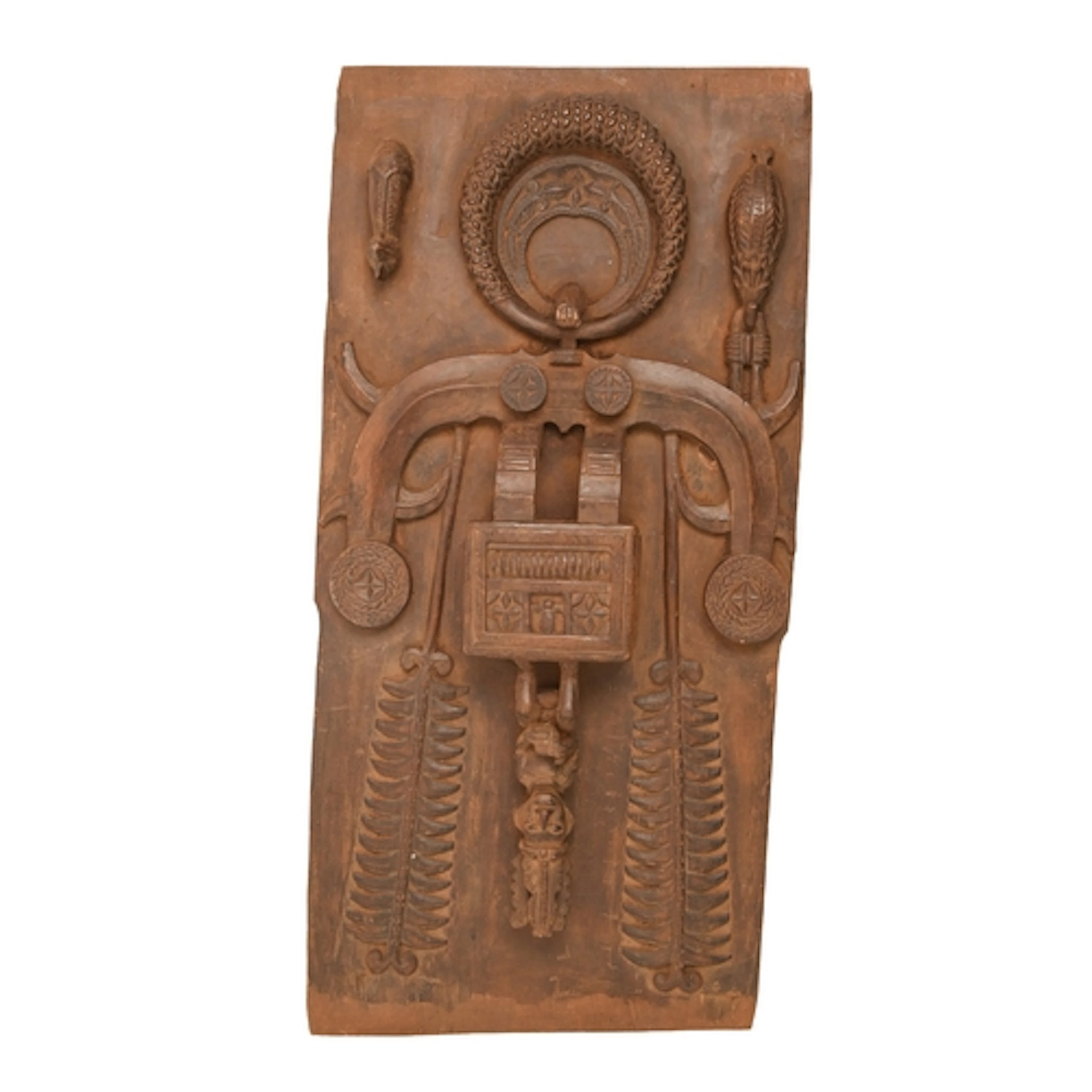
An Indonesian carved wooden ancestor sculpture, Adu Zatua, O...
10/06/2026

€165.16
Est. : €233.23
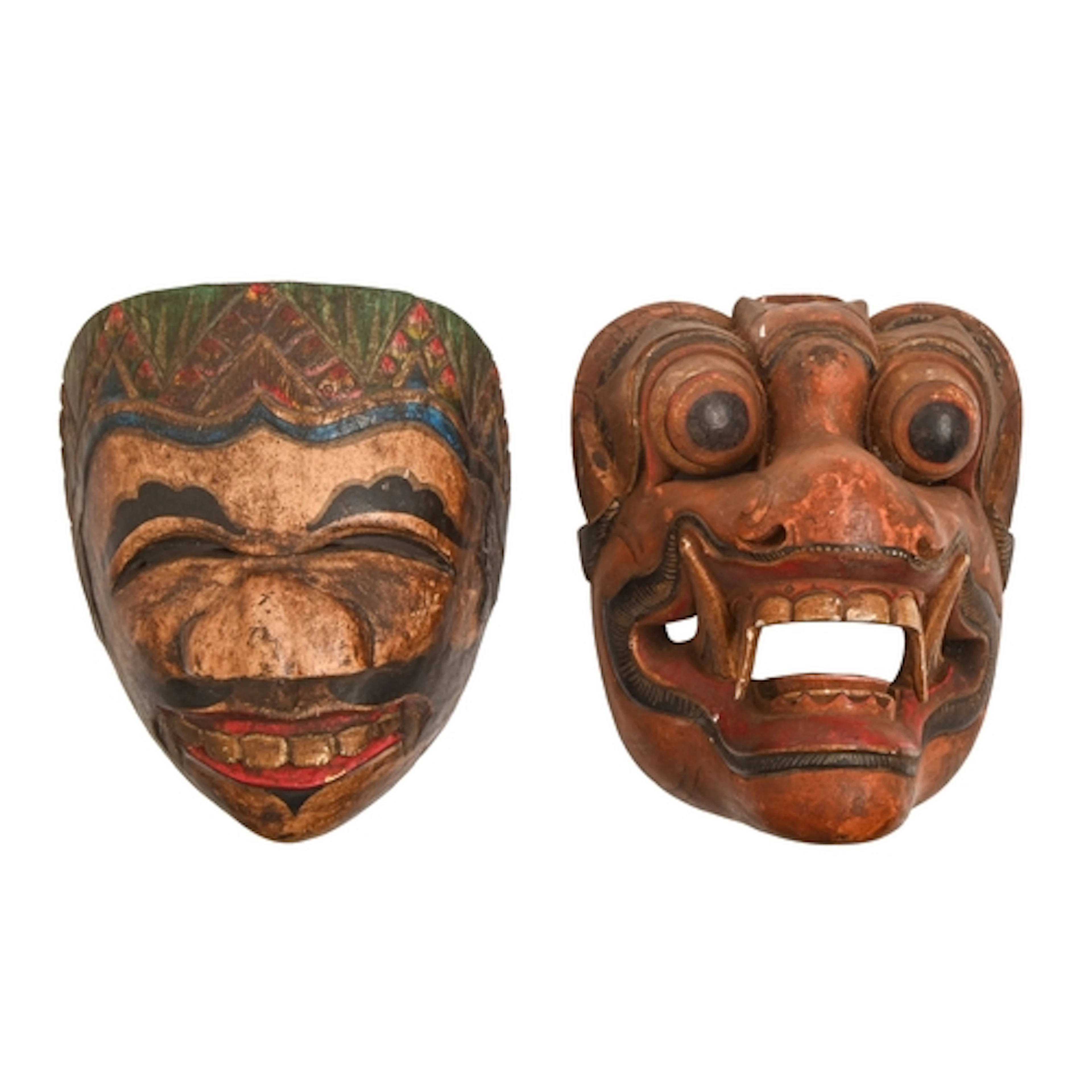
Two Indonesian polychrome wood dancer's masks, possibly 19th...
10/06/2026
€188.76
Est. : €116.61
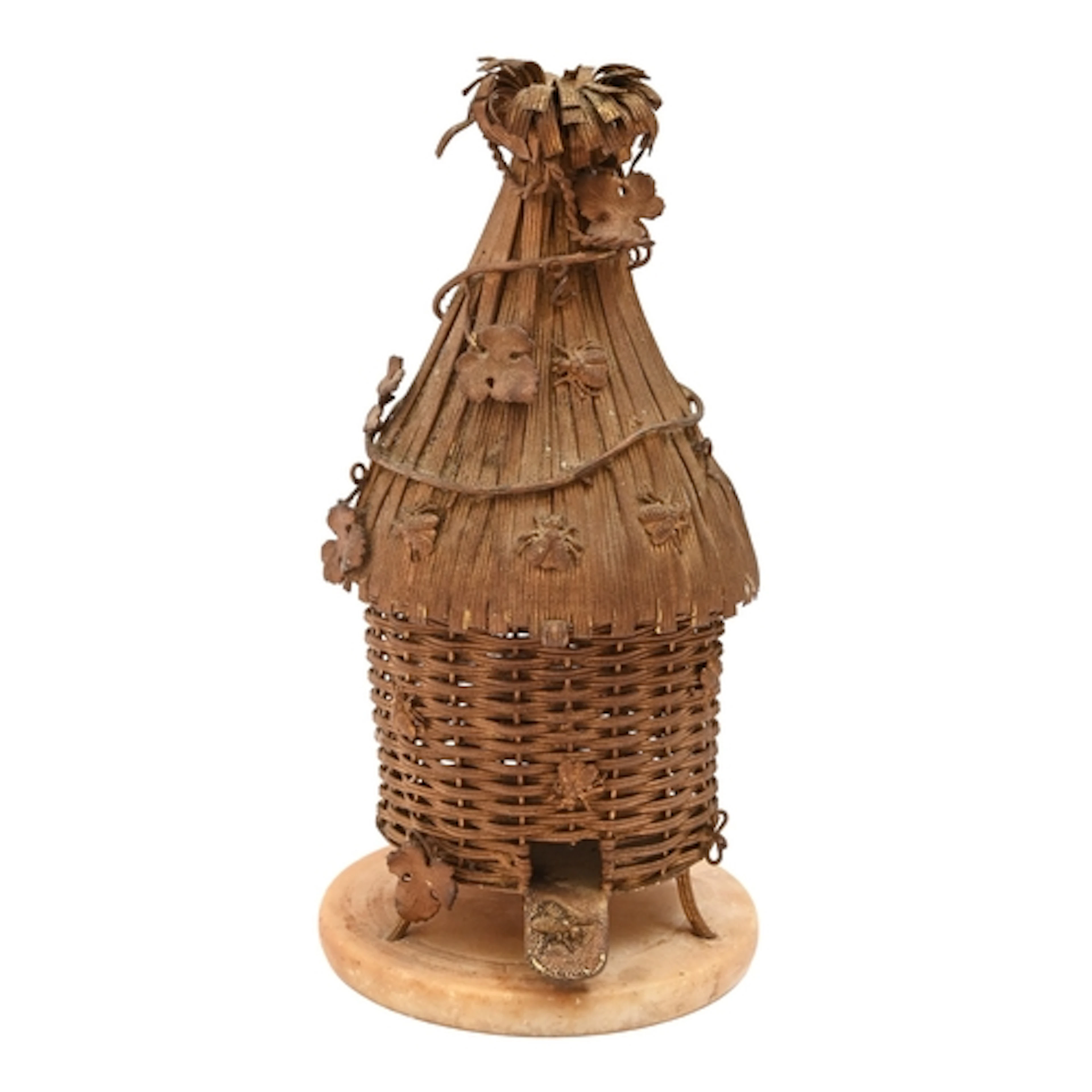
A French gilt wirework box in the form of a bee skep, second...
10/06/2026
€141.57
Est. : €174.92